Game’s Gone? Roy Keane and Micah Richards Go Back Through Football History
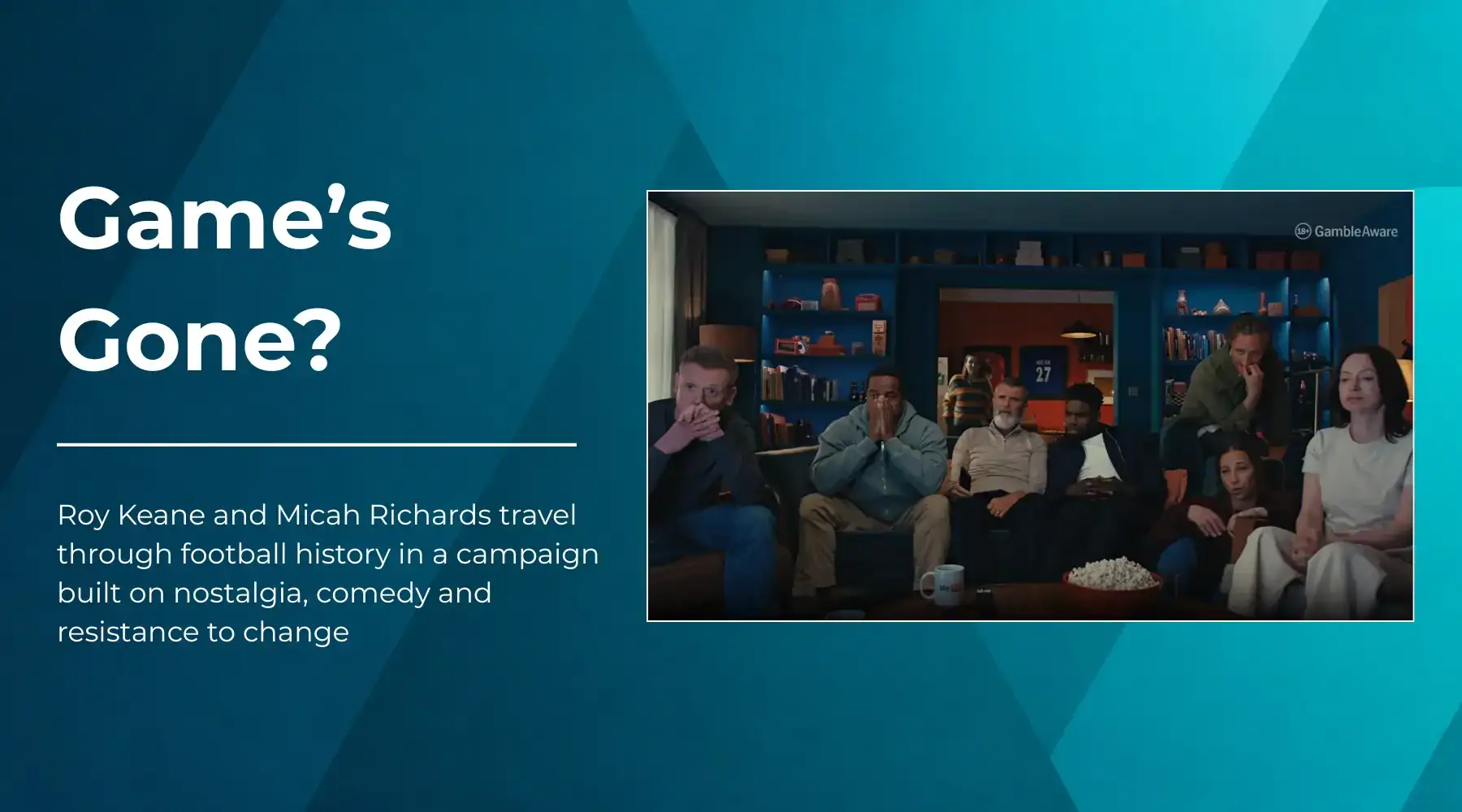
“Game’s Gone?” turns one of football’s most familiar complaints into a time-travel campaign featuring Roy Keane and Micah Richards. Created by Anomaly for Sky Bet, the new-season advert takes the pundits through earlier eras of the game to show that supporters have always resisted change—even when those changes later became accepted parts of football.
The work, reported by Campaign, begins with the modern argument that the “game’s gone” before transporting Keane and Richards into football’s past. It combines a recognisable phrase, two established personalities and a format that can be divided into clips well beyond the main film.
It also arrives at an important moment for betting brands in English football. Premier League clubs have entered the first season without gambling companies on the front of matchday shirts, increasing the value of campaigns that can earn attention through entertainment rather than permanent kit visibility.
Key Takeaways From “Game’s Gone?”
- The familiar “game’s gone” complaint becomes a platform for comedy and football history.
- Roy Keane and Micah Richards bring an established double act to the campaign.
- The time-travel format creates several distinct scenes that can be repackaged for social media and publisher coverage.
- The campaign shows why memorable screen-led creative matters more as betting brands lose Premier League shirt-front exposure.
- Its distribution still requires careful targeting because UK advertising rules place strict limits on gambling ads that appeal strongly to under-18s.
Turning a Football Complaint Into a Campaign Idea
“The game’s gone” works as an advertising slogan because football supporters already understand it. The phrase is used whenever a rule, technology or cultural change appears to move the sport away from an imagined better past. VAR may be the current target, but complaints about substitutions, cards, nets and other developments have accompanied the game for generations.
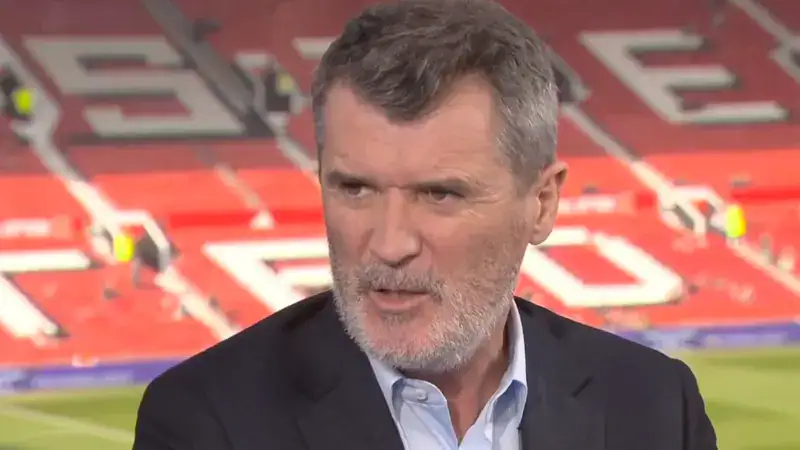
Roy Keane is ideal to carry that slogan. His public persona is closely associated with scepticism about the softer, more commercialised side of modern football, while his playing career represents a tougher and more physically uncompromising era of the game. He does not feel like a neutral celebrity delivering a borrowed line; he feels like the person most likely to believe that the game’s gone in the first place.
The creative reverses the complaint. By taking its stars back through football history, it suggests that the sport has always changed and that many once-disputed developments are now inseparable from it. Nostalgia remains central, but it is not used to argue that the past was better. Instead, the campaign treats resistance to change as one of football’s permanent traditions.
That gives the advert more substance than a collection of period costumes. Each era supplies a new joke, visual identity and point of debate, while the overall structure stays simple enough to understand immediately. The idea works even for viewers who do not recognise every historical reference.
Why Keane and Richards Work as Brand Characters
Keane and Richards bring a dynamic the campaign does not need to explain. Keane’s stern delivery and Richards’ enthusiasm have become familiar through football broadcasting and social clips. Keane gives the slogan credibility as the battle-hardened traditionalist, while Richards supplies the curiosity, energy and laughter needed to move the time-travel story forward.
It is a classic mismatched-partners formula: the weary, irritable veteran paired with an exuberant and unpredictable younger character. Hollywood has repeatedly used that contrast in buddy-cop films such as Lethal Weapon, where much of the entertainment comes from two people approaching the same situation in completely different ways. Keane and Richards adapt the formula naturally for football. One resists the chaos; the other enjoys it.
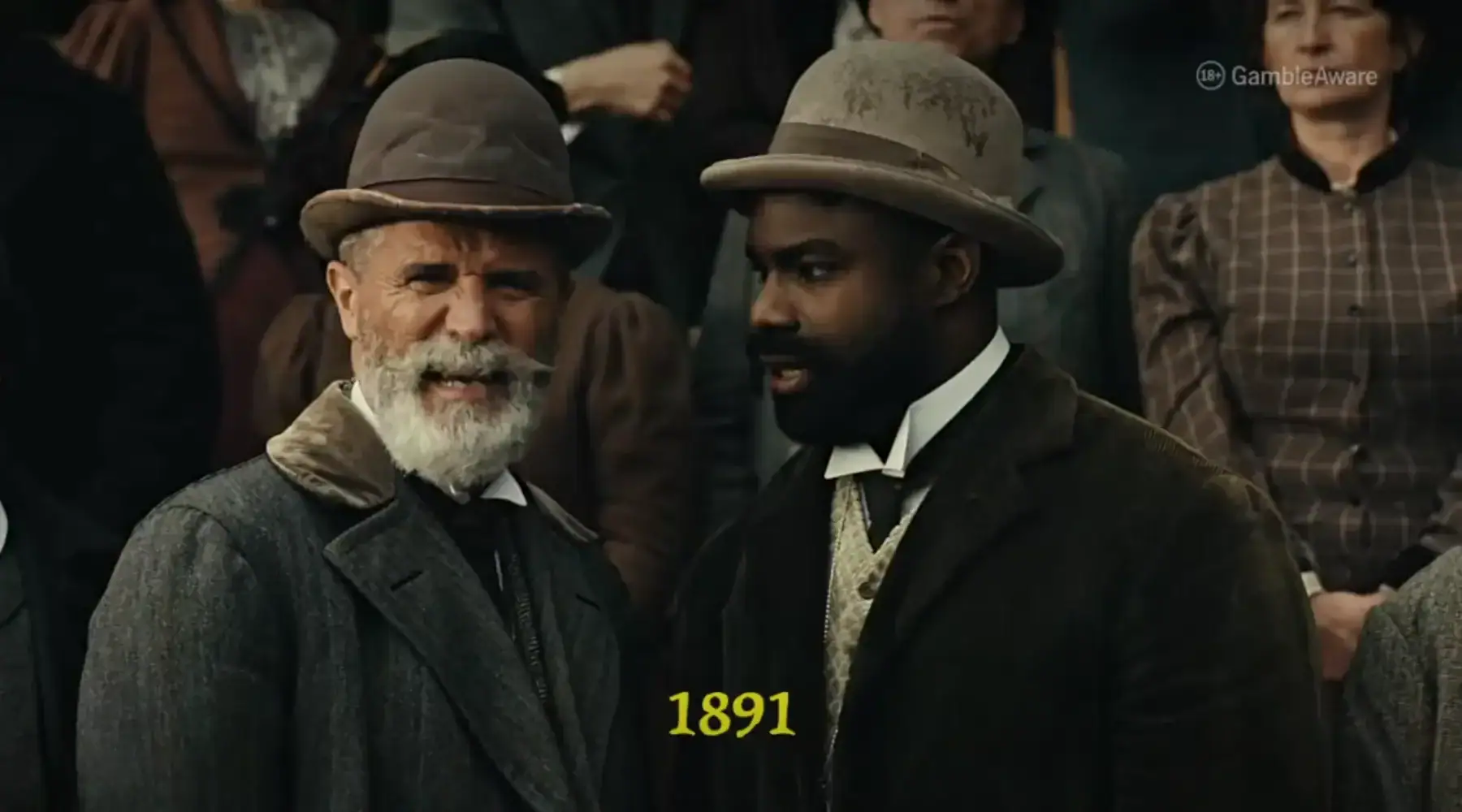
Source: Shot taken from the official SkyBet ad.
The pair are also returning characters rather than one-off celebrity endorsements. They previously appeared together in Sky Bet’s World Cup campaign, “The World’s Gone Football,” which presented football fever as something capable of taking over ordinary life. Reuniting them creates continuity between a tournament campaign and the domestic season.
That continuity matters in a media environment where individual adverts are easily forgotten. Recurring personalities create a recognisable brand world. Viewers know the relationship, publishers have a clear hook, and short clips can work without the full campaign needing to be reintroduced each time.
The principle also appeared during the 2026 World Cup, when Thierry Henry and Zlatan Ibrahimović became a watchable pairing within FOX Sports’ coverage. Their dynamic was different—more about the charisma and status of two former superstars than an old-versus-young clash—but it showed how recognisable football personalities can turn coverage into entertainment and generate moments that travel beyond the original broadcast. As noted in our analysis of the World Cup’s soccer discovery funnel, broadcast talent now helps create clips, reactions and social content as well as explain the match.
This is different from simply putting a famous face beside a logo. The useful asset is the relationship between the personalities. Whether the pairing is Keane and Richards or Henry and Ibrahimović, chemistry supplies timing, contrast and familiarity that a campaign would otherwise need several adverts to establish.
Football Advertising Is Becoming Entertainment Again
The approach belongs to a wider return of ambitious football advertising. Nike’s “Rip the Script” revived the big football commercial by mixing nostalgia, celebrity casting and a hero film built to generate smaller social moments.
The scale is different, but “Game’s Gone?” follows a similar principle. The commercial must be entertaining before it can carry a brand message. Time travel provides the spectacle, football history provides the references, and Keane and Richards provide the reaction moments most likely to be clipped and shared.
That distribution logic is now essential. A hero film may create the launch event, but much of its value comes from what happens afterwards. Individual scenes can appear as social cutdowns, reaction posts, behind-the-scenes material and publisher embeds. The conversation around the advert can extend its reach beyond the original media buy.
Recent data also shows why brands are competing harder around football video. Analysis found that average spend per creator-made video ad rose 17% during the first month of the 2026 World Cup. That study concerned paid creator content rather than television-style brand films, but both reflect the same pressure: football attention is valuable, fragmented and increasingly won through video that can travel between platforms.
Why the Shirt-Front Change Matters
The timing gives the campaign a wider commercial context. Premier League clubs agreed to withdraw gambling sponsorship from the front of matchday shirts from the end of the 2025/26 season. The voluntary measure does not remove betting brands from football altogether, but it takes away one of the competition’s most visible pieces of inventory.
That increases the importance of other forms of recognition. Sleeve partnerships, pitchside boards and broadcast exposure remain available in various forms, but none automatically creates cultural relevance. A distinctive campaign can give a brand a role in football conversation that static visibility cannot.
“Game’s Gone?” attempts to earn that role through a familiar fan argument. Rather than relying on proximity to football, it uses the language, personalities and recurring debates of football media. That can be more memorable than a logo, although it also brings greater responsibility because entertainment-led advertising can travel into contexts the original media plan did not anticipate.
Creative Reach Comes With Regulatory Responsibility
UK gambling ads must not target under-18s or feature personalities with strong appeal to them. The Advertising Standards Authority also applies these rules to promotional videos, memes and social posts—not just traditional adverts.
That makes casting, targeting and distribution inseparable. A campaign may be creatively effective, but its personalities and shareable content must still be appropriate for the audience and platforms it reaches.
What Marketers Can Learn From “The Game’s Gone”
The campaign offers three useful lessons for marketers:
- Start with a familiar conversation. “The game’s gone” is already part of football culture, giving the campaign an instantly recognisable idea that can support multiple scenes and formats.
- Build around recurring talent. Keane and Richards have clearly defined roles and established chemistry, allowing each campaign to begin without reintroducing their relationship.
- Create with distribution in mind. The time-travel structure produces natural chapters that can become individual clips, giving social teams, publishers and commentators more material to share.
As football brands compete across television, social video, creator content and publisher coverage, visibility alone is not enough. Campaigns need a recognisable idea, compelling characters and enough distinct moments to remain relevant after launch day.
“Game’s Gone?” has all three. Its real test will be whether that idea remains memorable as the new-season conversation gathers pace—and whether its cutdowns retain the creativity and responsibility of the original film.
Everflow
Connect
Tradedoubler
Connect
1win Partners
Connect
PIN-UP Partners
Connect
Shopnomix, a Nomix Group Company
Connect
V.Partners
Connect
Huffson Group
Connect
Kawaii Partners
Connect
Share your expertise and expand your reach and become a content contributor with us today!
Contact Us To Find Out More