Google Search Profiles Add a New Visibility Layer for Publishers
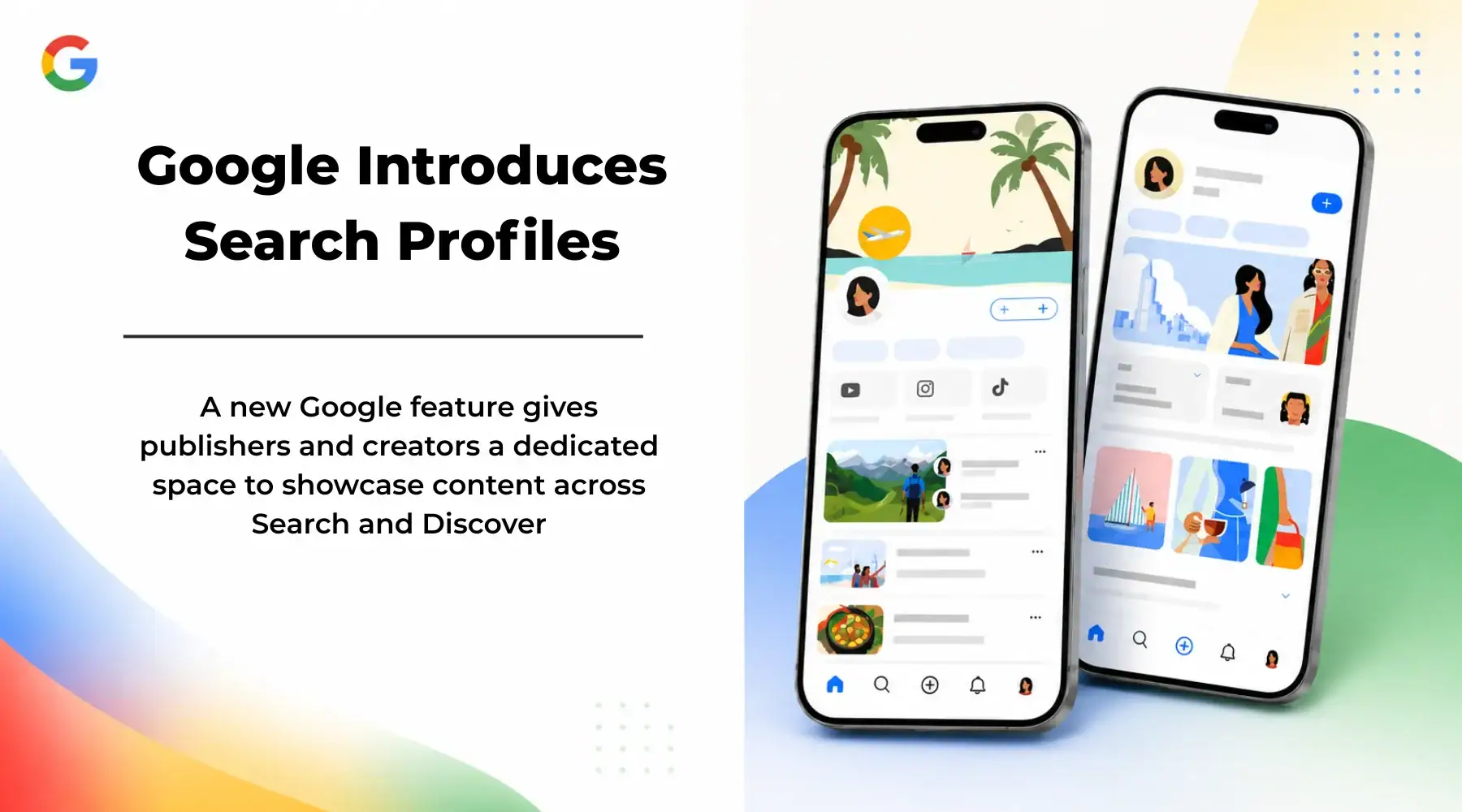
Google has started rolling out Search Profiles, giving eligible publishers and creators a dedicated profile-style page that brings together their content, social presence, and follow options. According to Google’s announcement of Search profiles for publishers and creators, the new profiles give publishers and creators a shareable space to highlight content across platforms and help audiences find accurate, up-to-date information about sources on Search.
The profile can show recent articles, videos, social posts, an avatar, a bio, website links, social media accounts, and video platforms. Users can also follow sources from their profiles, which may make them more likely to see that content in Discover. For publishers, the update adds another place where users may encounter a brand before clicking through to a website. For affiliate publishers, it points to a wider issue: Google visibility now depends on more than ranking pages.
Key Takeaways: What Google Search Profiles Mean for Publishers
- Google Search Profiles give eligible publishers and creators a dedicated presence on Search.
- Profiles can show articles, videos, social posts, website details, social links, and a follow option.
- Google says users can access profiles through mobile Search, Discover, or a direct URL.
- The launch starts in the U.S., with Google planning to expand availability over time.
- For affiliate publishers, the update makes source identity, social presence, and cross-platform content harder to separate from search visibility.
What Google Search Profiles Do
Search Profiles act as a public-facing source page within Google. Instead of sending users straight from Discover to a single article or video, Google can show a profile where users see more content from the same publisher or creator.
That gives Google another way to group source activity across articles, videos, social links, and user follows.
- They give publishers a source page inside Google: A Search Profile can bring together content from the same publisher or creator, making the source easier to recognize beyond one article or video.
- They fit how Discover users behave: Discover doesn’t work like a traditional search results page. Users scroll, tap, follow, and move between stories, videos, and publisher names. Profiles give that behavior a clearer destination.
- They can appear in several places: Google says users can access Search Profiles on mobile through a creator or publisher’s Knowledge Panel, by tapping a publisher or creator name in Discover, or through a direct URL.
- They can show more than articles: A profile may include recent articles, linked social accounts, video content, an avatar, a bio, and a short description of the source.
- They add a follow option: Users can follow a publisher or creator from the profile, which may increase the chance of seeing that source’s content in Discover.
This doesn’t replace SEO. It doesn’t guarantee traffic either. But it gives publishers another surface inside Google’s ecosystem, and that surface puts brand recognition closer to content discovery.
Why Publishers Should Pay Attention
Affiliate publishers have spent years optimizing individual pages. Review pages, comparison pages, guides, and news pieces still carry weight. Yet Google’s newer search and discovery products keep pulling attention toward source trust, brand clarity, and content that can travel across formats. That shift already shows up in AI search. In Google’s AI search guidelines for affiliates, Affiverse covered how Google still relies on crawlable pages, useful content, clear structure, and trusted signals when surfacing content in AI-led search features.
Search Profiles follow a similar logic from a different angle. They don’t judge a single page in isolation. They package the publisher as a source. That creates a practical question for affiliate teams: when Google looks beyond one URL, what does it see?
A site with thin author details, weak brand identity, abandoned social profiles, and no video presence sends a different signal from a publisher with consistent names, active channels, clear editorial ownership, and content that connects across formats. The difference may not show up as a direct ranking factor. Google hasn’t framed it that way. Still, users can now encounter the publisher itself as part of the discovery journey.
Social and Video Presence Matter More Here
Google says publishers and creators with a sizable following on at least one major social or video platform can claim their Search Profile and customize it with an avatar, bio, website, social media profiles, video platforms, and other important content. That detail makes the social angle hard to ignore.
It doesn’t mean every affiliate publisher can activate a Search Profile right away. Google says the feature will initially launch in the U.S., with plans to expand to more publishers and creators over time. The point sits elsewhere. Google keeps drawing publisher content, social content, and video content into the same discovery flow. Discover has already moved in that direction. Affiverse previously covered Google Discover’s shift toward YouTube and X content, and Search Profiles add another layer to that pattern.
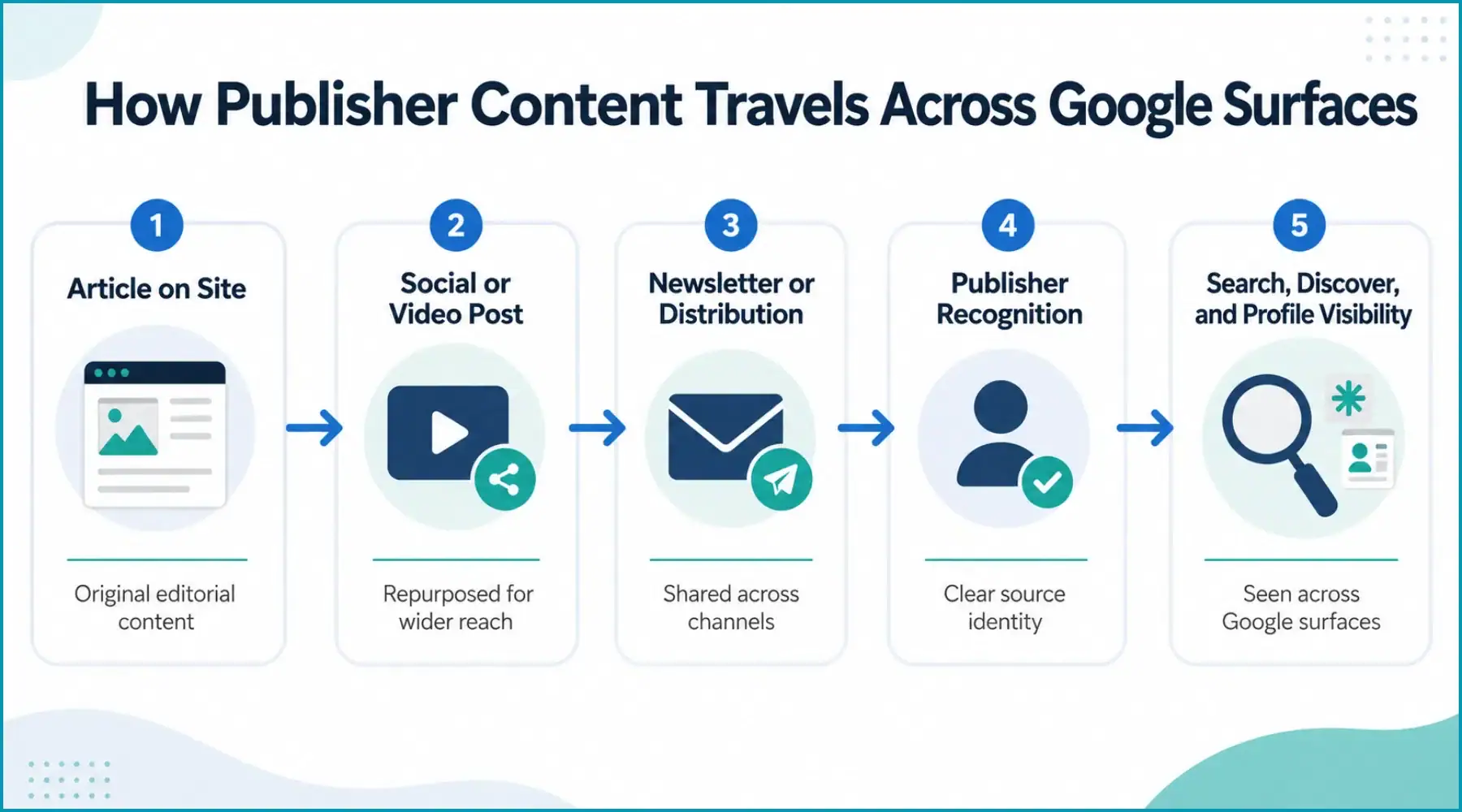
For publishers that rely on Google traffic, social and video channels no longer sit neatly outside the search strategy. They feed the same brand footprint users may see inside Google products. That changes how affiliate teams should think about distribution. A guide might start on-site, become a short video, support a LinkedIn post, feed a newsletter, and later help users recognize the publisher name in Discover. The article still does the heavy lifting. The wider content system gives it more context.
What Affiliate Publishers Should Take From This
Search Profiles won’t apply to every affiliate business today. The rollout looks limited, and Google may adjust the format as it tests how users interact with profiles in Search and Discover.
Still, the update gives publishers a useful prompt.
- Build the brand around the content: Don’t treat the website as a collection of disconnected ranking pages. Make the publisher name clear, keep author pages useful, and give users a reason to recognize the source behind the article.
- Keep social profiles aligned with the editorial focus: Google’s profile format brings website, social, and video content closer together. Affiliate publishers should make sure their social channels support the same topics, tone, and authority as their on-site content.
- Use video where it adds value: Not every article needs a video version. But for explainers, product comparisons, event coverage, and market commentary, video can give the same editorial work more reach across Google surfaces.
- Watch more than clicks: AI search, Discover, and profile-based discovery can influence users before they visit a website. Affiverse recently covered how Google Search AI agents could affect affiliate traffic, with automated discovery tools scanning blogs, news sites, social posts, shopping data, and other sources before returning compiled results.
- Make the source easy to understand: Google needs to understand who publishes the content, what the publisher covers, and why the source deserves attention. Strong editorial pages still matter, but they now sit inside a wider identity system.
Affiverse Take: Publisher Visibility Is Becoming More Brand-Led
Google Search Profiles don’t change the basic job of affiliate content. Publishers still need useful pages, clear comparisons, accurate claims, and clean technical foundations. The update does, however, make one thing harder to ignore. Google wants to show users more about the source behind the content.
That puts pressure on affiliate publishers to act more like media brands. A recognizable name. A clear subject focus. Active channels. Strong authorship. Content that makes sense when users find it through Search, Discover, AI answers, video, or social posts. The ranking page still matters. But Google now has more places to show the publisher behind it.
Everflow
Connect
Tradedoubler
Connect
1win Partners
Connect
PIN-UP Partners
Connect
Shopnomix, a Nomix Group Company
Connect
V.Partners
Connect
Huffson Group
Connect
Kawaii Partners
Connect
Share your expertise and expand your reach and become a content contributor with us today!
Contact Us To Find Out More