Snapchat Launches First B2B Creator Campaign to Challenge Media Buying Habits
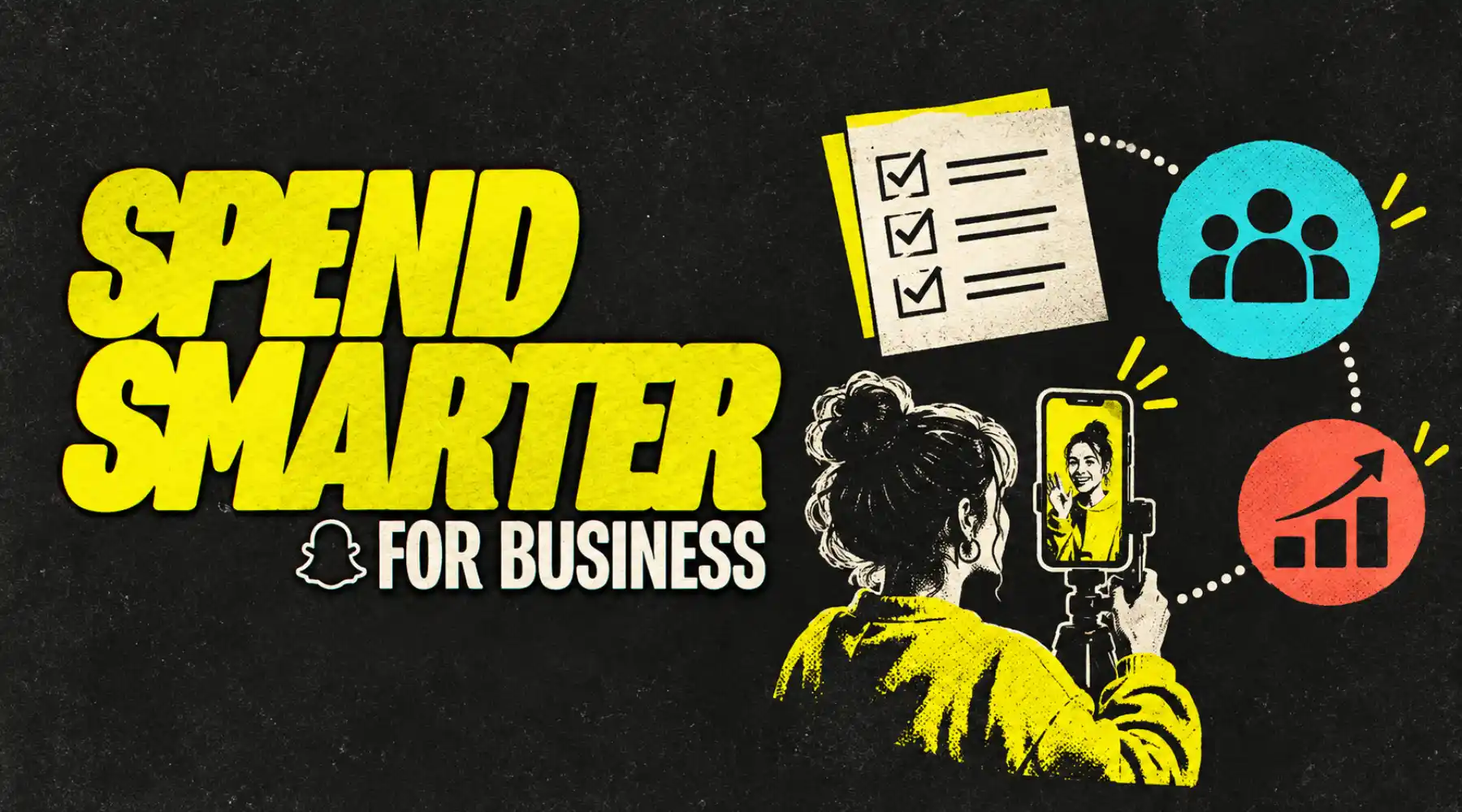
Snapchat has launched its first B2B creator campaign, using marketing and advertising voices to encourage brands to reconsider where they allocate media budgets.
Part of the new Spend Smarter performance platform, the US and UK campaign will turn advertiser case studies into creator-led content distributed through Instagram, TikTok, Substack and paid media.
Key Takeaways: Snapchat Takes Creator Marketing Into B2B
- Spend Smarter is Snapchat’s first B2B campaign built around creators.
- Nine marketing, advertising and business creators are involved in the initial US and UK launch.
- The content will examine campaigns from Supercell, Clarins, LOOKFANTASTIC, KFC and ASICS.
- Creators will focus on missed audience reach, attention and advertising performance.
- Content will run through creators’ own channels, including Instagram, TikTok and Substack, before receiving paid amplification.
- Snapchat is using specialist creators to translate customer results for media buyers rather than relying only on corporate case studies.
- The company has not disclosed creator fees, individual measurement arrangements or results from the campaign.
Marketing Creators Carry Snapchat’s Sales Pitch
Spend Smarter is a B2B campaign because Snapchat is advertising its media products to marketers, agencies and budget decision-makers.
According to the campaign announcement, its initial creator roster includes Pretty Little Marketer founder Sophie Miller, Eugene Healey, Farah Nyadu, Joel Marlinarson, Girl Power Marketing founder Annie-Mai Hodge, and Grad Girl Marketing founder Ashleen Narula.
Matej Lancaric, Carmen Vicente, and Brian Blum are also involved, with further participants expected to be announced.
The creators will examine real advertiser campaigns from brands including Supercell, Clarins, LOOKFANTASTIC, KFC, and ASICS. Each piece will focus on the marketing decision, the media-planning habit being challenged, and the reported outcome.
Harley Ilott, Head of Global Brand Marketing at Snapchat, said:
We want marketers to hear it in voices they already know and trust.
This changes the role of the creator from campaign talent to industry interpreter. Snapchat is asking people with established marketing audiences to explain its performance evidence in formats their communities already consume.
The Campaign Travels Beyond Snapchat
One of the campaign’s most notable choices is that its distribution is not limited to Snapchat.
Creators will publish through platforms such as Instagram, TikTok, and Substack, choosing the format that best suits their audience. Snapchat will then amplify selected content through paid media.
That approach reflects the argument behind Spend Smarter: media planning should follow audience behavior rather than inherited channel habits. Snapchat is applying the same principle to its own campaign by taking its message into the communities where marketers already follow industry voices.
Snapchat’s official advertising hub reports 971 million monthly active users, with an average user opening the app more than 30 times per day. It also says 40% of Snapchatters do not use TikTok daily and 50% are over 25.
The figures come from a mixture of Snap internal data and external research. They describe Snapchat’s wider audience rather than the number of business decision-makers reached by Spend Smarter.
Snap previously commissioned GWI to survey 2,254 US professionals aged 18 to 45. The research found that social media was their leading source of inspiration for new ideas and business tools, while six in 10 Snapchatters believed the platform could play a larger role in helping entrepreneurs and small businesses grow.
As commissioned survey findings, those results indicate reported attitudes rather than observed purchasing or advertising behavior.
Performance Evidence Predates the Creator Campaign
Snapchat is supporting the campaign with existing audience, customer and incrementality data.
A Measured analysis found that Snapchat accounted for approximately 5% of social advertising spend among the brands studied but produced incremental return on ad spend 19.3% above the blended social result. The wider report draws on hundreds of brands and 31 incrementality studies.
These figures help explain Snapchat’s pitch to advertisers, but they are not results from the new creator campaign. Spend Smarter has only just launched, and Snapchat has not published creator-level reach, engagement, qualified leads or changes in advertiser investment.
The campaign also supports Snapchat’s recent Commerce Power Pack launch, which introduced catalog ads in Chat and new tools for optimizing purchases recorded across websites and apps.
What Affiliate and Partnership Teams Can Take From It
Spend Smarter shows how specialist creators can turn performance data and customer stories into content for professional audiences.
This resembles the opportunity created by the LinkedIn Creator Marketplace, where subject knowledge and audience relevance may matter more than broad consumer reach.
For affiliate platforms, networks and technology providers, the approach could be used to explain attribution tools, partner results or new products through practitioners whom program managers already follow. However, measurement should extend beyond post views and reactions.
Useful indicators could include qualified site visits, webinar registrations, demo requests, brand-search activity and assisted conversions attributed to each creator. Brands should also agree on sponsorship disclosure, content usage rights and paid amplification before publication.
Spend Smarter has not been presented as an affiliate program, and Snapchat has not announced commissions or performance-based creator payments. The immediate test is whether trusted industry voices can make advertising evidence more useful—and whether that trust ultimately changes where marketers spend.
Everflow
Connect
Tradedoubler
Connect
1win Partners
Connect
PIN-UP Partners
Connect
Shopnomix, a Nomix Group Company
Connect
V.Partners
Connect
Huffson Group
Connect
Kawaii Partners
Connect
Share your expertise and expand your reach and become a content contributor with us today!
Contact Us To Find Out More