Hoka Turns Strava Running Data Into a Citywide Campaign
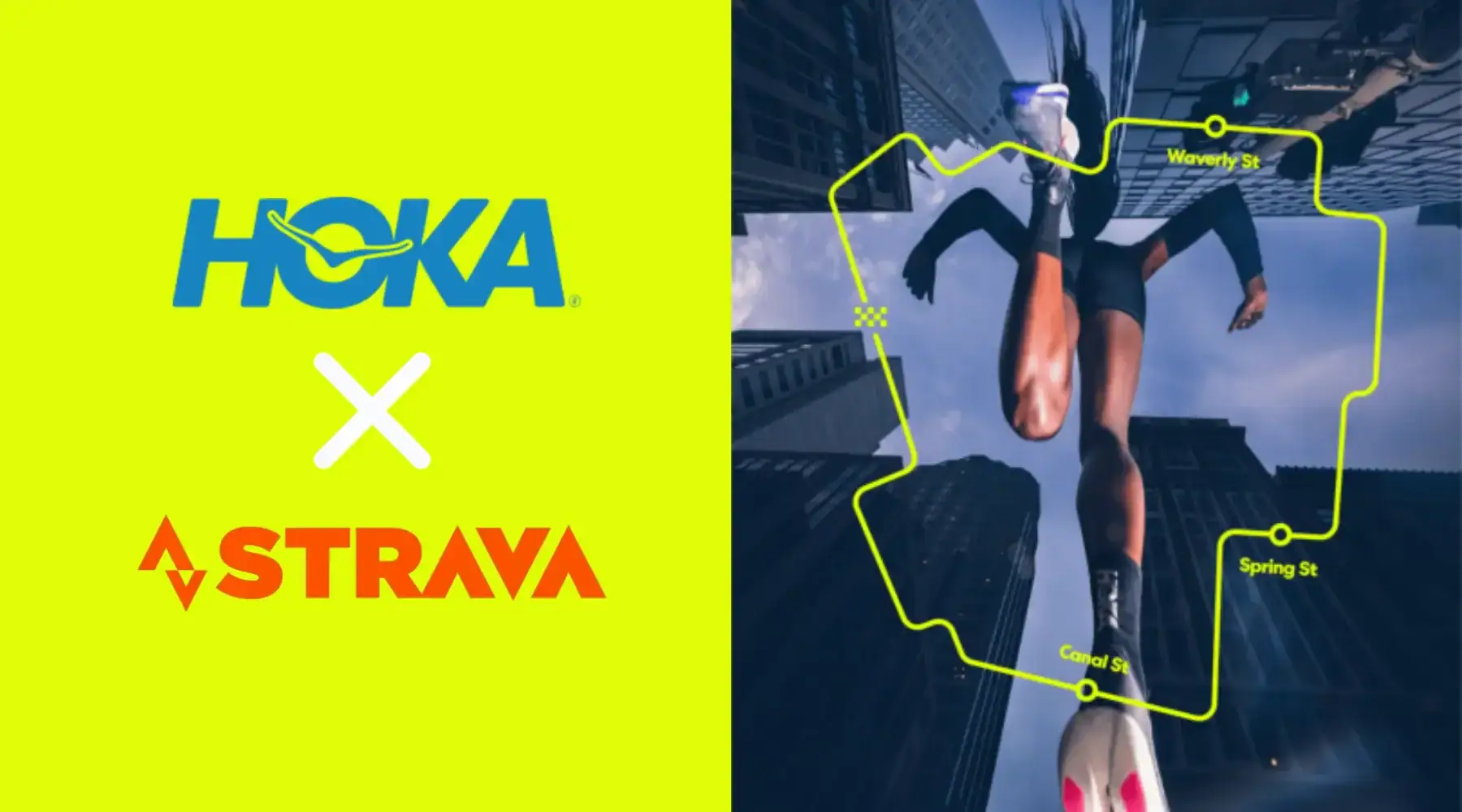
Hoka is incorporating activity recorded through Strava into digital billboards across New York City. Its month-long Run Your City challenge asks runners to represent one of the city’s five boroughs, with their collective mileage and other statistics shaping weekly campaign creative.
The campaign combines a platform challenge, digital out-of-home advertising, paid social media and creator participation. However, Hoka has not disclosed participation targets, sales objectives or how it will measure the commercial effect of each channel.
Key Takeaways: Hoka Connects Strava Activity With Outdoor Advertising
- The Run Your City challenge asks runners to record miles for Manhattan, Brooklyn, Queens, the Bronx or Staten Island.
- Aggregated Strava statistics will appear in digital billboard creative across New York.
- Displays in Times Square, Tribeca, SoHo and Williamsburg will receive weekly updates.
- Six creators will represent the five boroughs and document their participation.
- Paid campaigns on TikTok and Meta will promote the challenge.
- Hoka has not published participation, conversion or sales targets for the campaign.
- The activation shows how audience activity can become campaign content across several channels.
Runners’ Miles Become Billboard Creative
The Run Your City campaign will run throughout September and builds on Hoka’s existing global partnership with Strava.
Participants can log their running activity through Strava and allocate their miles to their home borough. Manhattan, Brooklyn, Queens, the Bronx and Staten Island will compete to record the greatest collective distance.
Ticker-inspired advertisements will present weekly updates covering miles logged, pace and other running statistics. The digital screens will appear in Times Square, Tribeca, SoHo and Williamsburg.
The campaign announcement does not describe the displays as a real-time feed. It also does not explain the technical process used to transfer aggregated Strava activity into the advertising creative.
Jellyfish developed the concept and is managing creative and media planning. Jo Wallace, the agency’s global executive creative director, summarized the idea as:
The creative idea is simple: make every run visible.
The campaign extends Hoka’s Together We Fly Higher brand platform, which focuses on the communities and relationships surrounding running.
Creators Will Represent New York’s Five Boroughs
Creator marketing company Collectively is managing a program involving six creators representing the five participating boroughs.
The creators will document their own progress and encourage other runners to join. Their content will also become part of paid social activity running across TikTok and Meta during September. Recent Affiverse analysis has similarly examined how creator-made ads perform when brands combine creator relevance with paid media.
This gives the campaign several connected layers. Strava hosts the activity challenge, creators encourage participation, outdoor screens display the collective results, and paid social extends the campaign beyond people who encounter the billboards.
Hoka has not named the six creators in its public campaign materials or disclosed how they will be compensated. It has also not specified whether their performance will be assessed through challenge registrations, content engagement, reach or another measurement, an issue that has become increasingly relevant as creator pricing and performance-based campaign models come under greater scrutiny.
The Campaign Will Continue Beyond September
The challenge will conclude with a daytime block party at McCarren Parkhouse in Brooklyn on October 3. The event is intended to bring together runners, creators, and other members of the local community.
Content from the event will subsequently appear in an October social media campaign targeting running and fitness audiences across the United States. Hoka is also working with fashion and media publisher Highsnobiety on a planned campaign recap.
The additional content allows the campaign to continue after the borough competition ends. However, the announcement does not provide impression targets for the outdoor or social activity, expected challenge participation or a methodology for connecting exposure with product purchases.
What Affiliate and Creator Teams Can Take From Hoka’s Campaign
Hoka’s approach shows how participants can contribute more than promotional posts. Their activity becomes part of the creative itself, while selected creators provide the content and encouragement needed to keep the challenge visible.
That model may be relevant to affiliate and creator teams increasingly working across the same customer journey, particularly in fitness, travel, gaming, or other categories where audiences already record measurable activity. Challenges can provide creators with a continuing story to document instead of requiring several disconnected product posts.
The commercial results still need to be measured separately. Challenge registrations and miles logged indicate participation, while billboard impressions, creator engagement, and social reach measure exposure. Product visits, affiliate clicks, and completed purchases represent different outcomes. That separation is becoming increasingly important as creator campaign management and affiliate performance data move into the same platforms.
Hoka has not disclosed an affiliate component or claimed that the campaign has generated sales. The useful takeaway is therefore not that community data automatically improves conversion. It is that platform activity, creator content and paid media can support one campaign idea while retaining distinct roles and performance measures.
Everflow
Connect
Tradedoubler
Connect
1win Partners
Connect
Shopnomix, a Nomix Group Company
Connect
Huffson Group
Connect
Kawaii Partners
Connect
Trackdesk
Connect
Share your expertise and expand your reach and become a content contributor with us today!
Contact Us To Find Out More