Google’s August 2026 Spam Update Is Complete: What Affiliates Should Check
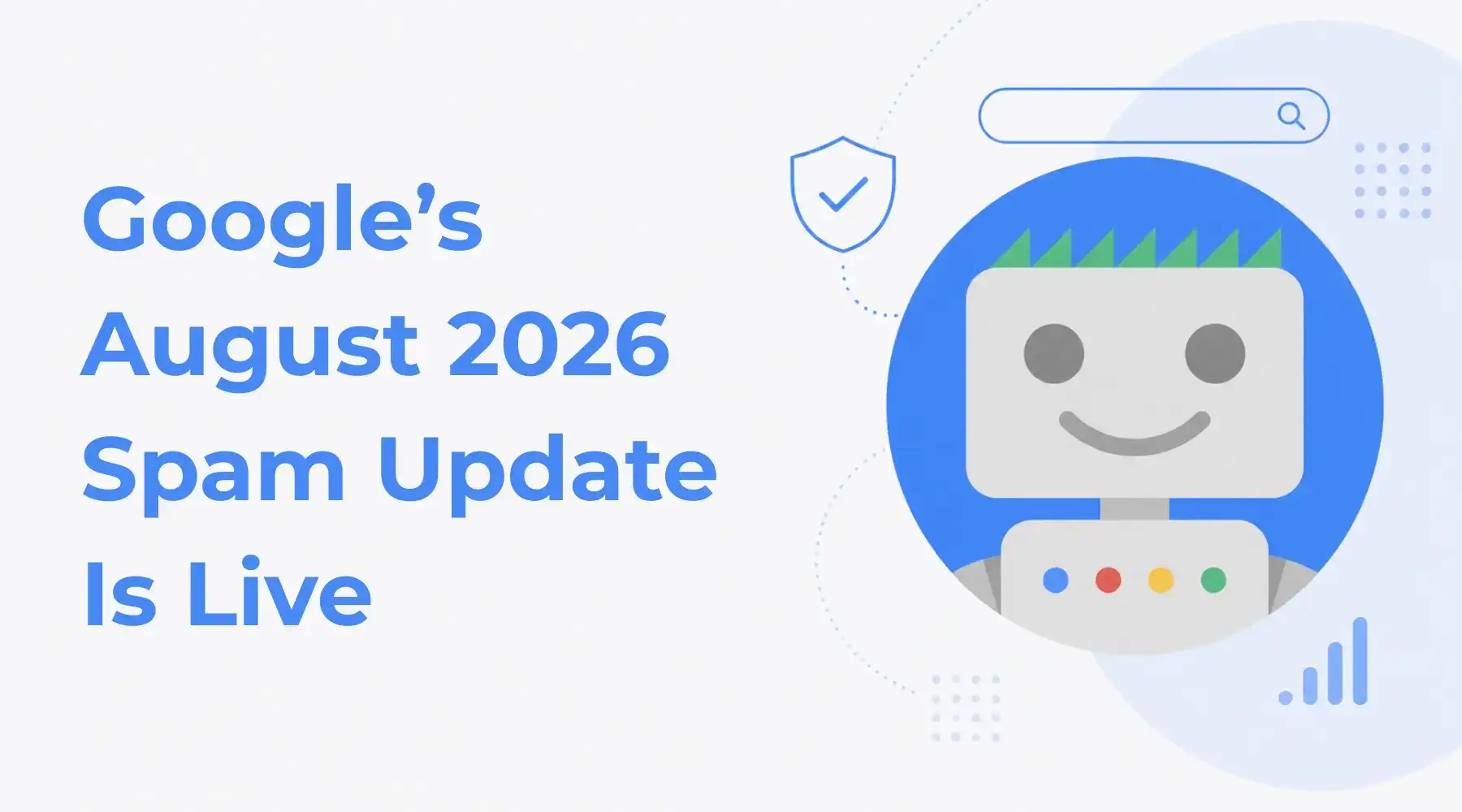
Google completed its August 2026 spam update on August 21 after a rollout lasting two days and 16 hours. The update applied worldwide and across all languages. Affiliate publishers can now begin comparing post-update visibility, traffic and revenue, although Google has not identified a specific target or said that affiliate content was singled out.
The update began on August 18 and was Google’s third confirmed spam update of 2026. Publishers should avoid diagnosing individual ranking losses too quickly, as several days of post-rollout data will be needed to distinguish sustained changes from ordinary volatility.
Key Takeaways: The August Spam Update Is Complete
- Google completed the rollout on August 21, 2026.
- The update lasted two days and 16 hours.
- It applied globally and across all languages.
- Google has not identified an individual spam category targeted by the update.
- Affiliate publishers can now establish post-update comparisons, but should avoid reacting to only one or two days of data.
What Google Has Confirmed
Google has called this a normal spam update but has not explained which detection systems or signals changed. The company operates several automated systems, including SpamBrain, and updates them as abusive techniques evolve.
Publishers should therefore avoid describing the release as a link-spam update, AI-content crackdown, or affiliate-specific action without evidence. Google has made none of those claims.
The timing is still notable. The June 2026 spam update completed in just over two days. August’s release is the second spam update in roughly two months and the third this year.
Why the Update Matters for Affiliates
Affiliate businesses often depend on commercially valuable reviews, comparisons, buyer guides, and voucher pages. Movement across a relatively small group of URLs can quickly affect traffic, partner clicks, and revenue.
That does not mean Google has singled out affiliate marketing. Its spam policies state that not every site participating in an affiliate program is a thin affiliate. Google points to original reviews, rigorous testing, useful comparisons, and pricing information as examples of genuine added value.
Publishers should nevertheless review pages that rely heavily on merchant copy, programmatically generated templates, or scraped information. Other established risk areas include scaled low-value content, white-label sections designed mainly to benefit from a host site’s authority, unqualified paid links, and deceptive redirects.
AI content needs one clarification. Low-value pages generated at scale can breach Google’s rules, but AI assistance is not automatically spam. Google has not called this an “AI slop” update. The introduction of machine-readable watermarks in Claude-generated content may make AI involvement easier to identify and audit, but identifiable AI use does not, by itself, create a Google ranking penalty.
What Affiliate Publishers Should Measure After the Rollout
- Compare Search Console clicks, impressions, and average position by page type.
- Separate reviews, comparisons, vouchers, and editorial guides instead of relying on a site-wide average.
- Check branded and non-branded queries independently.
- Track organic sessions, affiliate clicks, conversions, and revenue alongside ranking data.
- Note technical releases, tracking problems, and seasonal changes that could produce similar symptoms.
Affiverse’s guide to using Google Search Console for affiliate performance provides a useful starting point for page-level comparisons.
Allow Enough Time Before Making Broad Changes
The rollout is complete, but publishers should avoid making broad changes based on only one or two days of post-update performance. Compare reviews, comparisons, voucher pages and editorial guides over a consistent period, while accounting for technical releases, tracking problems and seasonal demand.
If a decline persists, examine the affected page types against Google’s existing spam policies before rewriting large sections of the site. Google has not confirmed that affiliate content, AI-assisted publishing or any other individual category was specifically targeted.
Everflow
Connect
Tradedoubler
Connect
1win Partners
Connect
PIN-UP Partners
Connect
Shopnomix, a Nomix Group Company
Connect
V.Partners
Connect
Huffson Group
Connect
Kawaii Partners
Connect
Share your expertise and expand your reach and become a content contributor with us today!
Contact Us To Find Out More