Machine-Readable Content Could Make Affiliate Publishers Easier for AI to Cite
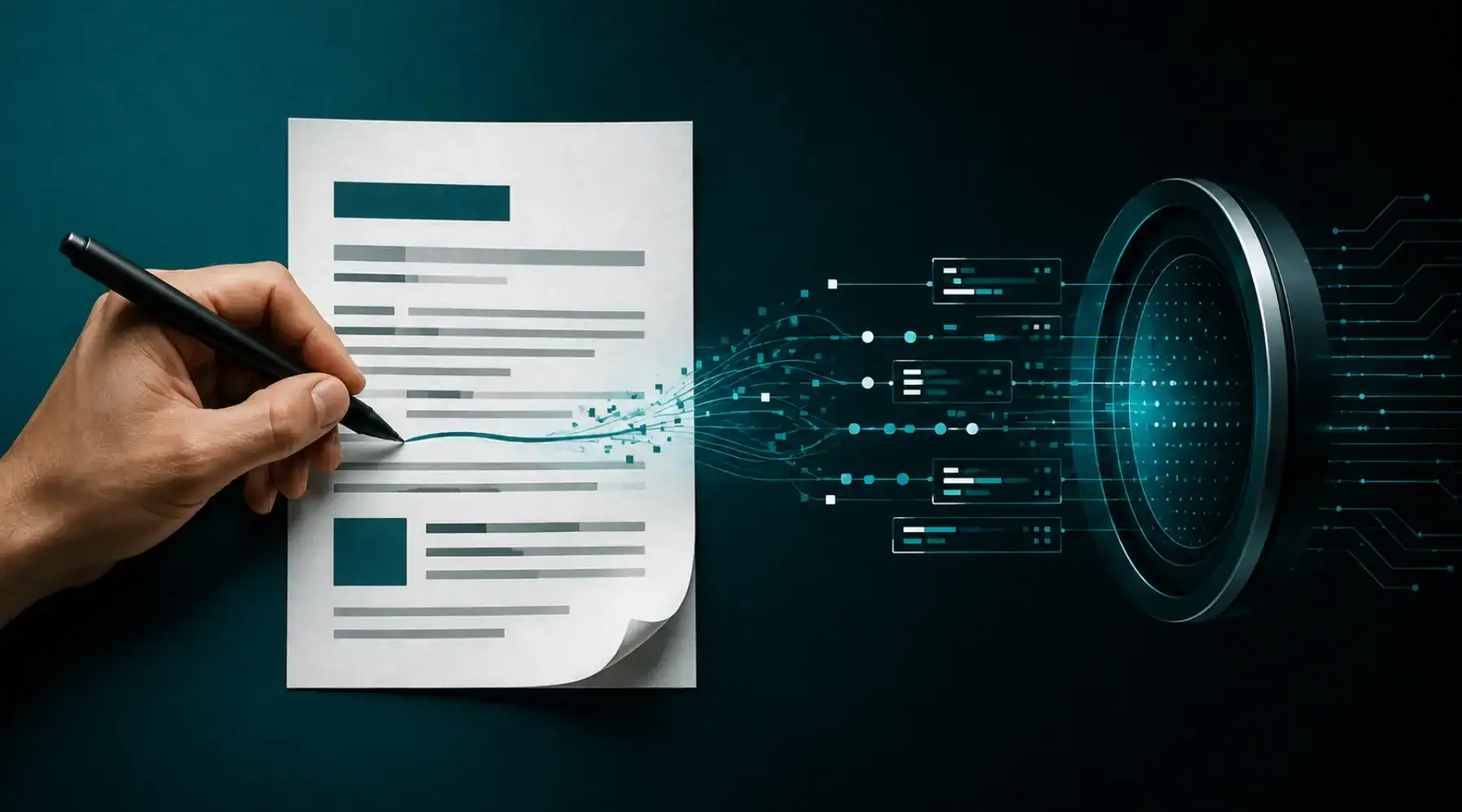
USA Today Co. is testing machine-readable formats, metadata, and page structures designed to make its reporting easier for AI systems to access, interpret, and cite. For affiliate publishers, the experiments provide a current case study in AI citation readiness. Clearer structures could help AI platforms understand reviews, comparisons, and guides, although USA Today has not presented evidence that its changes have already increased citations, referral traffic, or commercial outcomes.
Key Takeaways: What USA Today’s Tests Mean for Affiliate Publishers
- USA Today Co. is testing ways to make its reporting easier for AI systems to access, interpret and cite.
- The work includes metadata, page templates, and content formats, with Markdown among the options being tested.
- The publisher is analyzing whether guides and modular stories are surfaced more frequently than traditional articles.
- Clear headings, consistent entities, and extractable content sections could make affiliate pages easier for AI systems to understand.
- Machine readability does not guarantee that an AI platform will cite a page prominently or send referral traffic.
- Citations, referral sessions, and affiliate conversions should be measured as separate outcomes.
USA Today Is Formatting Content for Humans and Machines
USA Today Co. chairman and CEO Mike Reed outlined the strategy during the company’s second-quarter earnings call on August 6:
We recognize that we have to create and format content for humans and for machines.
Reed connected the work to changing search behavior and the emergence of new ways to license, distribute, and monetize publisher content.
Kara Chiles, senior vice president of product management at USA Today Co., subsequently told Digiday that much of the work will happen behind the visible page. The publisher is examining its infrastructure, metadata, templates, and content structure rather than simply rewriting articles for AI-generated answers.
Chiles described the objective as finding an approach that serves both audiences:
We are looking for the intersection of what is good for the human is good for the machine.
The company wants to preserve a useful experience for readers while making it easier for AI systems to identify the subject, supporting information, and relationships within a page.
How Machine Readability Could Support AI Citations
Machine-readable content presents information in a structure that automated systems can process with less ambiguity. This can include descriptive headings, clear page hierarchy, consistent brand and product names, structured metadata, and individual content modules that retain their meaning when extracted from the wider article.
Markdown is one format USA Today Co. is considering. It strips away much of the design code, navigation, and other material surrounding an article, leaving a simpler presentation of its headings, links, and body copy.
USA Today has not announced a network-wide Markdown rollout. It is testing different approaches and examining whether guides or stories composed of multiple content modules are surfaced more frequently than traditional standalone articles.
The company is also monitoring which bots access its pages, which content appears in AI-generated answers, AI impressions, referral traffic, and citations within Google AI Overviews.
Making a page easier to process does not mean that an AI system will automatically select it as a source. Citation decisions may also depend on relevance, authority, freshness, retrieval access and how the platform generates a particular answer.
Machine Readability Is More Than a Technical File Format
For affiliate publishers, the lesson is not that every page needs a separate Markdown version. Many of the changes associated with machine readability also improve the experience for human readers.
A product review with a clear verdict, accurately labeled specifications, and descriptive headings is easier to scan than a page that buries its conclusions. A comparison table with consistent product names is easier to interpret than one that changes terminology between sections. A paragraph containing a supported claim can also retain its meaning more effectively when an AI system extracts it from the surrounding page.
Current Google guidance for affiliate content in AI search similarly favors useful, well-structured pages rather than technical changes made solely to manipulate AI visibility.
Affiliate publishers can assess:
- Whether each heading accurately describes the section beneath it
- Whether important claims are clearly stated and supported
- Whether reviews use consistent product, merchant, and brand names
- Whether comparison criteria are defined before products are evaluated
- Whether individual sections remain understandable outside the full article
- Whether authorship, publication dates, and update dates are clearly identified
- Which AI crawlers can access important commercial content
These steps cannot guarantee citations, but they can reduce ambiguity when search engines and AI systems process a page.
AI Citations Still Need Separate Measurement
Publishers should avoid combining AI visibility, traffic, and affiliate performance into one metric.
A citation shows that a publisher appeared as a source. A referral session shows that someone clicked through from the AI platform. Affiliate clicks, leads, and sales measure activity after that visit. One outcome does not establish that the next occurred.
Google’s reporting tools and the GA4 AI Assistant channel can improve visibility into some referral sessions, but they do not capture every interaction beginning inside an AI platform.
This limitation contributes to the wider gap between AI citations and activity visible through affiliate attribution. Affiliate content may influence a recommendation even when the user later reaches the merchant through another route.
Licensing Explains USA Today’s Commercial Interest
USA Today is connecting its machine-readable content work with a broader licensing strategy. Reed said the company expects additional AI agreements and wants to build recurring relationships that recognize the value of its current reporting.
The publisher already has an agreement allowing Perplexity to license content from USA Today and more than 200 local publications. It also participates in the Really Simple Licensing initiative, which gives publishers a way to communicate machine-readable content-use and compensation terms.
Access remains controlled. USA Today reportedly blocks approximately 99% of self-identified AI bots and uses a whitelist for crawlers connected to approved relationships. This allows the company to improve readability for authorized systems without providing unrestricted access to every crawler.
Similar decisions are emerging through crawler-control and pay-per-crawl tools, although smaller publishers may have different infrastructure and commercial leverage.
USA Today is also exploring ways to make branded and sponsored content visible to large language models. It has not disclosed the proposed format, participating advertisers, or how that material would be distinguished from editorial content.
The Effect on AI Citations Remains Unproven
USA Today has not disclosed which machine-readable formats it will adopt permanently or whether the tests have improved its citation rate. It is also unclear whether AI platforms consistently favor modular content or Markdown versions over well-structured HTML pages.
The experiments nevertheless show that major publishers are treating machine readability as part of content discovery. For affiliate publishers, the practical opportunity is to make reviews, comparisons, and guides easier to interpret without weakening their usefulness for readers.
Whether that work produces more citations, qualified traffic, or affiliate revenue must then be measured separately rather than assumed.
Everflow
Connect
Tradedoubler
Connect
1win Partners
Connect
PIN-UP Partners
Connect
Shopnomix, a Nomix Group Company
Connect
V.Partners
Connect
Huffson Group
Connect
Kawaii Partners
Connect
Share your expertise and expand your reach and become a content contributor with us today!
Contact Us To Find Out More