YouTube’s War on AI Slop: The July 15 Monetisation Crackdown That’s Reshaping Creator Economics
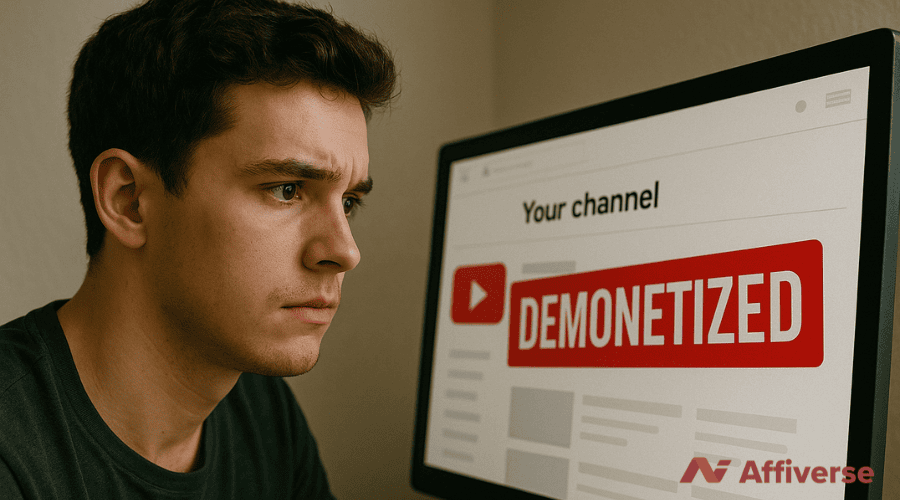
The platform’s most aggressive policy shift yet targets mass-produced content as authentic creators prepare for a new era of monetisation standards
YouTube has drawn a line in the digital sand. Starting July 15, 2025, the platform is implementing its most comprehensive crackdown on what industry insiders call “AI slop” – low-quality, mass-produced content that has flooded the platform as generative artificial intelligence tools have become increasingly accessible.
The policy shift represents more than a simple rule update; it’s a fundamental reshaping of how YouTube defines valuable content in an era where anyone with access to AI tools can churn out videos at industrial scale. For creators who have built their channels on authentic, human-driven content, this could be the competitive advantage they’ve been waiting for.
The Scale of the Problem
YouTube has become flooded with AI slop, a term referencing low-quality media or content made using generative AI technology, with examples ranging from fake news videos about high-profile trials that rack up millions of views to entirely AI-generated true crime series that went viral earlier this year.
The platform’s current ecosystem includes channels featuring AI voices overlaid on stock photos, automated music content with millions of subscribers, and even deepfake scams using the likeness of YouTube’s own CEO Neal Mohan. Some channels filled with AI music have millions of subscribers, highlighting how effectively these automated systems can game YouTube’s algorithm.
This proliferation of synthetic content has created a dual crisis for YouTube: advertiser confidence has wavered as brands worry about their ads appearing alongside misleading content, while genuine creators struggle to compete against channels that can upload dozens of videos daily using AI automation.
What Changes on July 15
YouTube is making a minor update to its “repetitious content” policy to better clarify this includes content that is repetitive or mass-produced, while renaming the policy from “repetitious content” to “inauthentic content.” However, calling this a “minor” update understates its potential impact on thousands of creators.
The new guidelines specifically target several categories of content:
Mass-produced videos that rely heavily on automation, including content created with minimal human input using AI voiceovers, template-based formats, or automated scripts. Content borrowed from other sources with minimal alteration: Simply adding background music, changing playback speed, or cropping visuals will no longer cut it.
Repetitive content lacking clear purpose, particularly templated videos that follow highly repetitive formats without providing genuine entertainment or educational value. The platform will scrutinise channels that appear to prioritise views over meaningful engagement.
Low-effort AI-generated content remains in YouTube’s crosshairs, though the platform hasn’t explicitly banned all AI usage. Videos relying heavily on AI-generated voices, avatars, automated scripts, or slideshows without substantial human commentary or creative input are at high risk of demonetisation.
The Enforcement Reality
YouTube’s Head of Editorial & Creator Liaison, Rene Ritchie, has attempted to downplay concerns by describing the changes as targeting content that “viewers often consider spam” and emphasising that this type of content has been ineligible for monetisation for years. Yet the timing suggests urgency driven by the exponential growth of AI-generated content.
The platform will likely use a combination of AI tools and human reviewers to identify non-compliant content, with potential consequences ranging from individual video demonetisation to complete removal from the YouTube Partner Program. In severe cases, channels could face suspension entirely.
For affiliate marketers who have relied on YouTube as a primary revenue channel, these changes carry particular significance. As we’ve previously explored in our analysis of YouTube’s AI-generated content guidelines, the platform’s evolving stance on synthetic content has already created both challenges and opportunities for marketing professionals.
Impact on the Creator Economy
The changes arrive at a crucial moment for YouTube’s creator ecosystem. The platform has been aggressively expanding its monetisation options, including the rollout of its YouTube Shopping affiliate program and the introduction of the YouTube Affiliate Hub for select creators.
However, these new revenue streams come with heightened expectations for content quality and authenticity. The platform’s recent decision to ban affiliate marketing in Shorts due to spam concerns foreshadowed this broader crackdown on low-quality content.
Content aggregators who compile clips from other creators with minimal transformative value face the highest risk under the new policies. Similarly, automated content channels that use AI tools to mass-produce videos with generic elements will likely see immediate impact.
The changes could disproportionately affect “faceless” channels – not because showing one’s face is required, but because many such channels rely on automated processes rather than distinct creative direction. While not all faceless channels are inauthentic, those that lack a distinct human voice, personality, or creative direction will face challenges.
Strategic Adaptation for Creators
For creators looking to navigate these new requirements successfully, the emphasis must shift decisively toward authentic human input and genuine value creation. Add your unique voice: Incorporate personal commentary, distinct storytelling, and your own perspective becomes more than advice – it’s now a monetisation requirement.
Transform, don’t just reuse represents another critical principle. If incorporating third-party content, creators must provide substantial analysis, educational value, or unique narrative that couldn’t exist without their creative input. The days of minimal commentary over trending clips are effectively ending.
AI as tool, not replacement offers perhaps the most nuanced challenge. While YouTube hasn’t banned AI entirely, creators are welcome to use AI tools for storytelling and production, as long as their content adheres to monetisation guidelines. The key lies in ensuring AI assists rather than replaces human creativity.
Understanding YouTube’s algorithm mysteries becomes even more crucial as authentic creators may find reduced competition from automated content farms. This could create opportunities for genuine creators to achieve better visibility and engagement.
Advertiser Confidence and Platform Integrity
This policy change is YouTube’s way of safeguarding its content ecosystem and maintaining advertiser trust. Advertisers prefer their brands to appear alongside high-quality, authentic content, and the crackdown serves multiple strategic purposes for YouTube.
The platform’s expansion into affiliate marketing, including partnerships like the Shopee integration in Singapore, requires maintaining credibility with both creators and commercial partners. Low-quality AI-generated content undermines these relationships and threatens long-term revenue growth.
For affiliate marketers specifically, this shift could prove beneficial. Higher content standards may reduce competition from automated affiliate content farms, potentially improving conversion rates and commission opportunities for authentic creators who understand their audiences.
The Broader Industry Context
YouTube’s crackdown reflects wider industry concerns about AI-generated content quality and authenticity. Similar discussions are occurring across social media platforms as they grapple with balancing innovation against content integrity.
The policy changes also align with evolving legal frameworks, including proposed legislation like the NO FAKES Act in the United States, which targets deepfakes and unauthorised AI-generated content using someone’s likeness.
For affiliate marketing professionals, these developments signal a return to fundamentals: building genuine relationships with audiences, providing authentic value, and creating content that serves viewers rather than simply gaming algorithmic systems.
What This Means Moving Forward
The July 15 implementation date gives creators a clear deadline for adaptation. Those who have built their channels on authentic content and genuine audience engagement will likely see minimal disruption – and may even benefit from reduced competition.
However, creators whose revenue depends on high-volume, low-effort content production face difficult decisions. The most successful adaptation strategies will likely involve pivoting toward more personal, commentary-driven content that showcases individual expertise and perspective.
The bottom line: YouTube’s war on AI slop represents more than policy enforcement – it’s a bet on the enduring value of human creativity and authentic connection in digital media. For creators willing to invest in genuine content and meaningful audience relationships, these changes could mark the beginning of a more sustainable and profitable creator economy.
As the digital landscape continues evolving, staying informed about platform policy changes becomes crucial for anyone building a content-based business. The July 15 deadline approaches quickly, but for authentic creators, this crackdown may ultimately prove to be the competitive advantage they’ve been seeking in an increasingly crowded digital marketplace.
Everflow
Connect
Tradedoubler
Connect
1win Partners
Connect
Shopnomix, a Nomix Group Company
Connect
Huffson Group
Connect
Kawaii Partners
Connect
Trackdesk
Connect
Share your expertise and expand your reach and become a content contributor with us today!
Contact Us To Find Out More