The Ultimate Guide to Profitable Affiliate Niches
After two decades in the affiliate marketing trenches, I’ve watched countless “golden opportunities” rise and fall. I’ve seen marketers chase shiny objects while missing the steady money-makers hiding in plain sight. And I’ve personally built, scaled, and sometimes crashed affiliate sites across dozens of niches.
One thing I’ve learned? The truly profitable niches aren’t always the ones making the most noise.
Let me take you through the affiliate landscape as it actually exists in 2025 – not as the gurus want you to see it. I’ll show you exactly where the money flows, why certain niches consistently outperform, and how to position yourself for maximum returns.
- Your Path to High-Ticket Affiliate Success
- What Separates High-Ticket Affiliates from the Pack
- Building Your High-Ticket Foundation
- Master Your Niche Inside and Out
- Create Content That Commands Attention
- Develop Multi-Channel Authority
- Strategic Approaches to High-Ticket Success
- Premium Product Partnerships
- Recurring Revenue Models
- Low-Competition, High-Value Niches
- Strategic Relationship Building
- The Technical Side of High-Ticket Success
- Navigating Program Selection and Applications
- The Reality Check: Investment Required
- Looking Forward: Your High-Ticket Journey
- The Best High Ticket Affiliate Niches
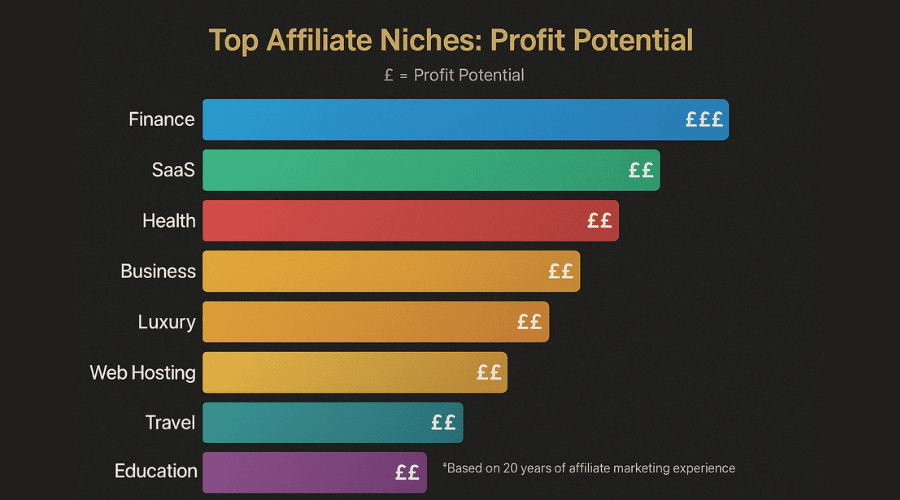
- Finance: The Evergreen Money Machine
- SaaS & Software: The Recurring Revenue Dream
- Health & Wellness: Emotion-Driven Purchases
- Travel: High Rewards With Seasonal Challenges
- Business Opportunities & Side Hustles: Selling the Dream
- Luxury Products: Low Volume, High Returns
- Home & Lifestyle
- Web Hosting & Domains: The Digital Foundation
- Gaming & Esports: Passionate Audiences, Growing Spend
- Education & Online Courses: Knowledge Economy Profits
- The Formula for Sustainable Affiliate Profits
- Final Thoughts
Your Path to High-Ticket Affiliate Success
You’ve been grinding. Building content, optimizing campaigns, watching your analytics like a hawk. Yet your commissions remain frustratingly stagnant. Sound familiar? This plateau isn’t a reflection of your effort—it’s a signal that you’re ready to graduate from standard affiliate marketing to the high-ticket arena.
High-ticket affiliate marketing represents a fundamental shift in how you approach partnerships and position yourself in the market. Instead of chasing volume with modest 5-30% commissions, you’re targeting programs that pay $100 to $1,000+ per transaction. The difference isn’t just in the numbers—it’s in the caliber of affiliate you need to become.
What Separates High-Ticket Affiliates from the Pack
The leap to high-ticket status isn’t about luck or connections—it’s about value creation. While average affiliates focus on traffic volume, high-ticket affiliates solve complex problems for sophisticated buyers. They understand product ecosystems, speak to genuine pain points, and build trust with audiences who make substantial purchasing decisions.
Consider this: someone buying a $50 gadget might convert on impulse, but someone investing in a $5,000 software solution demands expertise, credibility, and genuine insight. That’s where your transformation begins.
Building Your High-Ticket Foundation
Your journey starts with strategic specialization. Developing a robust affiliate marketing strategy becomes crucial when you’re promoting high-value products that require sophisticated sales approaches. You can’t wing it when commission checks have multiple zeros attached.
Master Your Niche Inside and Out
Choose a vertical where you can become genuinely authoritative. Whether it’s enterprise software, luxury home automation, or premium financial services, your expertise needs to run deeper than surface-level product knowledge. Study market trends, understand buying cycles, and learn to anticipate objections before they arise.
Create Content That Commands Attention
High-ticket buyers don’t convert from banner ads or generic product reviews. They need comprehensive guides, detailed comparisons, and strategic insights that demonstrate real expertise. Your content should position you as a trusted advisor, not just another affiliate pushing products.
Develop Multi-Channel Authority
Relying solely on a single platform limits your reach and credibility. Build your presence across multiple channels—optimized websites, professional social media profiles, email lists, and even video content. Diversifying your marketing approach ensures you’re not vulnerable to algorithm changes or platform restrictions.
Strategic Approaches to High-Ticket Success
Premium Product Partnerships
High-value physical products like luxury vehicles, premium jewelry, or high-end electronics offer substantial commission potential. These partnerships typically require demonstrated sales ability and established audience reach, but the payoff justifies the investment.
Recurring Revenue Models
The holy grail of high-ticket affiliate marketing lies in recurring commissions. Software subscriptions, membership platforms, and service contracts create ongoing income streams that compound over time. B2B affiliate marketing programs particularly excel in this space, with some offering hundreds of dollars per sign-up plus monthly residuals.
Low-Competition, High-Value Niches
While everyone chases the obvious high-ticket items, smart affiliates identify emerging markets with less competition. Think enterprise sustainability solutions, specialized industrial equipment, or emerging technology platforms. These niches often welcome quality affiliates with open arms and generous terms.
Strategic Relationship Building
High-ticket affiliate programs aren’t just about applying—they’re about relationship building. Program managers in this space want partners who understand their market and can represent their brand professionally. Building strategic partnerships becomes essential for accessing the most lucrative opportunities.
The Technical Side of High-Ticket Success
High-ticket affiliate marketing demands sophisticated tracking and optimization. You need robust analytics to understand your customer journey, conversion paths, and lifetime value metrics. Data-driven strategies become non-negotiable when individual conversions represent significant revenue.
A/B testing takes on greater importance when each lost conversion costs hundreds of dollars in potential commissions. Your tracking needs to capture not just initial conversions but the full customer lifecycle, demonstrating your value to partners who are investing significant commissions in your success.
Navigating Program Selection and Applications
The application process for high-ticket programs reflects their selectivity. Expect detailed questionnaires about your audience demographics, traffic sources, and marketing strategies. Many require case studies or examples of previous high-value promotions.
When evaluating programs, look beyond commission rates. Consider cookie duration, attribution models, and support quality. The best affiliate programs for serious marketers often prioritize long-term partnerships over quick wins, offering comprehensive resources and dedicated account management.
The Reality Check: Investment Required
Transitioning to high-ticket affiliate marketing requires upfront investment—in education, tools, content creation, and audience building. You’ll need professional-grade tracking software, premium content creation tools, and potentially paid advertising budgets to reach high-value prospects.
The time investment is equally substantial. Building the expertise and authority needed for high-ticket success takes months, not weeks. But the financial rewards justify this commitment. Moving from $50 commissions to $500+ commissions doesn’t just improve your income—it transforms your entire business model.
Looking Forward: Your High-Ticket Journey
Success in high-ticket affiliate marketing comes down to positioning yourself as an indispensable partner rather than just another traffic source. Planning your affiliate growth strategy around high-value relationships and long-term thinking separates profitable affiliates from those stuck in the commission basement.
The barriers to entry are real, but so are the rewards. While traditional affiliates compete on volume and price, high-ticket affiliates compete on expertise and value creation. In a marketplace increasingly crowded with generic promotion, that differentiation becomes your competitive advantage.
Your commission plateau isn’t permanent—it’s simply the launchpad for the next phase of your affiliate marketing evolution.
The Best High Ticket Affiliate Niches
Finance: The Evergreen Money Machine
Finance remains the undisputed heavyweight champion of affiliate marketing for good reason. The math is simple yet compelling:
A single mortgage lead can earn you £150-300. A new investment account signup? Often £100+. Credit card approvals typically pay £50-100 each.
What makes finance so lucrative isn’t just the high one-time commissions – it’s the infrastructure built around lifetime value. Take trading platforms like eToro or Plus500, which offer not only acquisition bonuses but ongoing revenue shares from active traders.
The finance sector works because everyone – from broke students to wealthy retirees – needs financial products. It’s universal, continuous, and constantly evolving with new fintech innovations creating fresh promotion angles.
The reality check: The barrier to entry has risen dramatically. Financial promotions face intense regulatory scrutiny (the FCA doesn’t mess around), and competition is fierce. Success here requires genuine expertise or exceptional content creators on your team.
SaaS & Software: The Recurring Revenue Dream
If I were starting from scratch today, I’d focus heavily on software affiliate programs. Here’s why:
Monthly recurring commissions create predictable income streams. Promote a £99/month SEO tool at 30% commission, and each customer you refer generates £356 annually – often for 1-2 years or more.
The SaaS landscape offers endless specialisation opportunities. From industry-specific CRMs to niche productivity tools, you can develop genuine expertise in corners of the market where competition is manageable.
My personal approach: I’ve found success focusing on specific software categories rather than trying to cover everything. My most profitable campaigns specifically target transition points – helping businesses move from free to paid solutions, or from basic to enterprise tools.
Email marketing platforms (ConvertKit, ActiveCampaign), SEO suites (Semrush, Ahrefs), and design tools (Canva Pro, Adobe Creative Cloud) consistently deliver strong ROI in my experience.
Health & Wellness: Emotion-Driven Purchases
The health market thrives on a fundamental human truth: people will spend almost anything to feel better, look better, or live longer.
What makes health particularly profitable is the combination of high emotional investment and repeat purchasing. A customer who finds a supplement that works for them might reorder monthly for years.
The formula that works: Specific solutions to specific problems consistently outperform general wellness content. Compare “boost your immune system” (vague, competitive) to “natural remedies for seasonal allergies in children” (specific, targeted, and easier to monetize effectively).
Gut health, sleep optimisation, joint support, and cognitive enhancement are subcategories where I’ve seen particularly strong conversions in recent campaigns.
Travel: High Rewards With Seasonal Challenges
Travel offers some of the highest single commissions in affiliate marketing. A luxury resort booking or premium cruise package can generate £300+ per transaction.
The sector benefits from visual appeal (making it perfect for social and video content) and natural product integration opportunities. Travel credit cards, luggage, accommodation, and experiences all complement each other logically.
The strategic reality: Travel is highly susceptible to seasonal fluctuations and external disruptions. The pandemic taught us this lesson harshly. The smartest travel affiliates I know have diversified their promotion calendars, targeting different destinations and products throughout the year to maintain consistent income.
Business Opportunities & Side Hustles: Selling the Dream
This niche thrives on a simple principle: people will invest significantly in products or services that promise to make them money.
Business opportunity offers – from dropshipping platforms to digital marketing courses – often command premium prices (£500-2,000+) with generous affiliate cuts (30-50%).
The ethical dimension: This space requires careful navigation. Many questionable products promise unrealistic results, and promoting them can damage your reputation. I only recommend offers I’ve personally vetted or that come from established providers with strong track records.
The most sustainable approach? Focus on legitimate business tools and education rather than get-rich-quick schemes. Accounting software, proposal templates, and specific skill-building courses offer better long-term prospects than flashy “make millions overnight” programs.
Luxury Products: Low Volume, High Returns
Luxury affiliate marketing operates on different principles than mass-market approaches. When you’re promoting products with £1,000+ price tags, you don’t need enormous traffic to generate significant income.
The luxury customer journey typically involves fewer, more meaningful touchpoints. Detailed reviews, comparison content, and authentic usage scenarios outperform aggressive sales tactics.
My approach: The most successful luxury affiliates I know position themselves as trusted curators rather than salespeople. They focus on the story, craftsmanship, and experience rather than discounts or urgency.
Home & Lifestyle
The home niche experienced explosive growth during the pandemic, but the trend has sustained momentum as remote and hybrid work arrangements become permanent.
Home security systems, smart home devices, and home office equipment offer particularly strong commission structures. Many provide both upfront commissions and recurring revenue from subscription components.
Strategic advantage: Home products typically have longer consideration cycles than impulse purchases, creating multiple monetisation opportunities throughout the buyer’s journey.
Web Hosting & Domains: The Digital Foundation
Web hosting remains one of the oldest and most reliable affiliate niches for good reason. Every new business needs digital infrastructure, creating a constant stream of fresh customers. A good closely tied industry is Cyber-security.
Hosting companies understand customer lifetime value (often 3+ years), allowing them to offer generous affiliate commissions – typically £50-150 per signup.
The evolving landscape: While competition has intensified, specialisation offers a path to profitability. Focusing on specific platforms (WordPress hosting, WooCommerce hosting) or business types (photographer hosting, law firm hosting) can carve out viable niches with less competition.
Gaming & Esports: Passionate Audiences, Growing Spend
Gaming has evolved from a niche hobby to a mainstream entertainment category with dedicated spenders. What makes gaming particularly attractive is audience loyalty and recurring purchase patterns.
The most profitable segments include gaming peripherals (high-end mice, keyboards, headsets), subscription services, and premium in-game content.
Audience insight: Gaming affiliates succeed when they speak authentically to their audience. Generic marketing approaches fall flat compared to content created by genuine enthusiasts who understand player motivations and pain points.
Education & Online Courses: Knowledge Economy Profits
The shift toward remote work and career transitions has accelerated demand for online education. Course platforms like Udemy and Skillshare offer affiliate programs, but the real money lies in promoting premium, specialised courses with higher price points.
The approach that works: Successful education affiliates focus on specific career paths or skill transitions rather than general learning. Content that bridges the gap between “where I am now” and “where I want to be professionally” consistently drives the strongest conversions.
The Formula for Sustainable Affiliate Profits
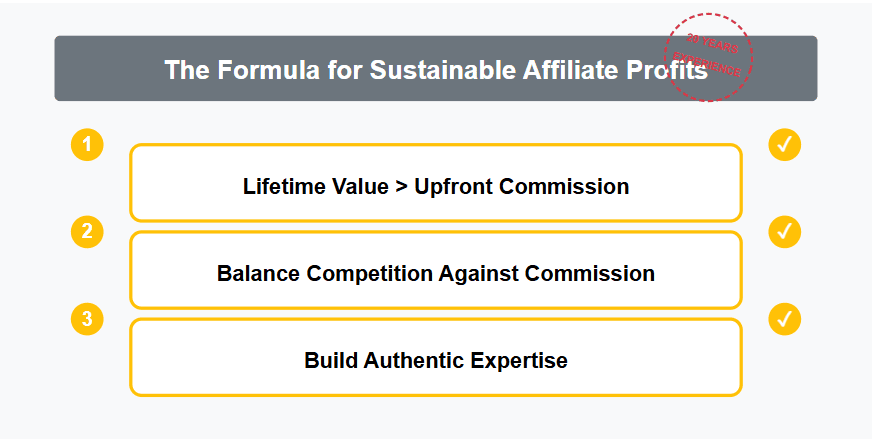
After 20 years in this industry, I’ve identified patterns that separate sustainable success from flash-in-the-pan results:
- Focus on lifetime value, not just upfront commissions: Programs offering 40% one-time often underperform 15% recurring deals in the long run.
- Build authentic expertise: The days of ranking thin affiliate sites are largely gone. Today’s winners actually understand their niche.
- Diversify across commission structures: Combine programs offering lead commissions, sale percentages, and recurring revenue to create stability.
Remember – the most profitable niche ultimately isn’t the one that pays the highest commission rates or has the biggest market. It’s the one where you can sustainably build authority, traffic, and trust.
- Solve genuine problems — Create content that genuinely helps your audience
- Build trust through expertise — Demonstrate real knowledge, not just sales pitches
- Focus on lifetime value — Build relationships that extend beyond the first sale
The most profitable affiliate marketers don’t just promote products—they create systems that deliver ongoing value to both their audiences and merchant partners.
Final Thoughts
The landscape of affiliate marketing continues to evolve, but the fundamentals remain consistent. By focusing on these proven niches and applying a strategic, value-first approach, you can build sustainable affiliate revenue streams that withstand market fluctuations and algorithm changes.
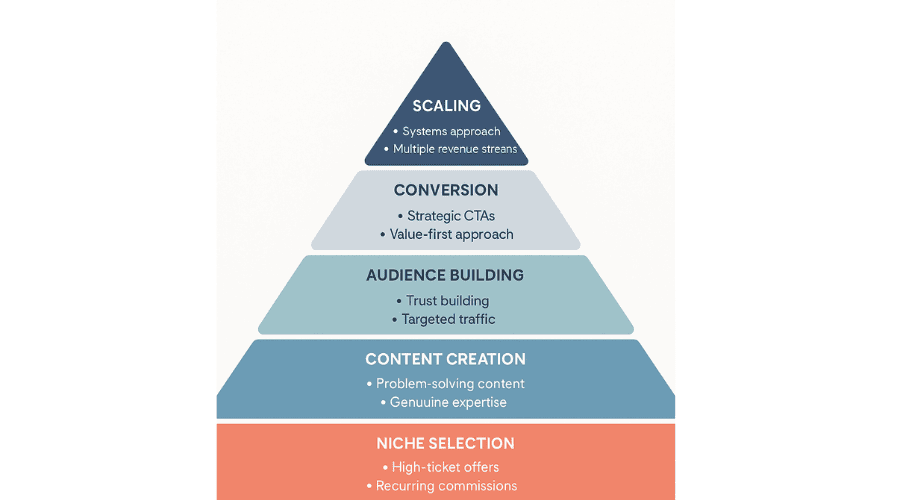
What I’ve shared represents actual results from my two decades of experience, not theoretical possibilities. Focus on solving real problems for your audience, and the commissions will follow naturally.
What niche are you currently exploring, and what specific challenges are you facing?
Everflow
Connect
Tradedoubler
Connect
1win Partners
Connect
PIN-UP Partners
Connect
Shopnomix, a Nomix Group Company
Connect
V.Partners
Connect
Huffson Group
Connect
Kawaii Partners
Connect
Share your expertise and expand your reach and become a content contributor with us today!
Contact Us To Find Out More