TikTok’s AI Crackdown: New Community Guidelines Signal Tougher Times for Performance Marketers
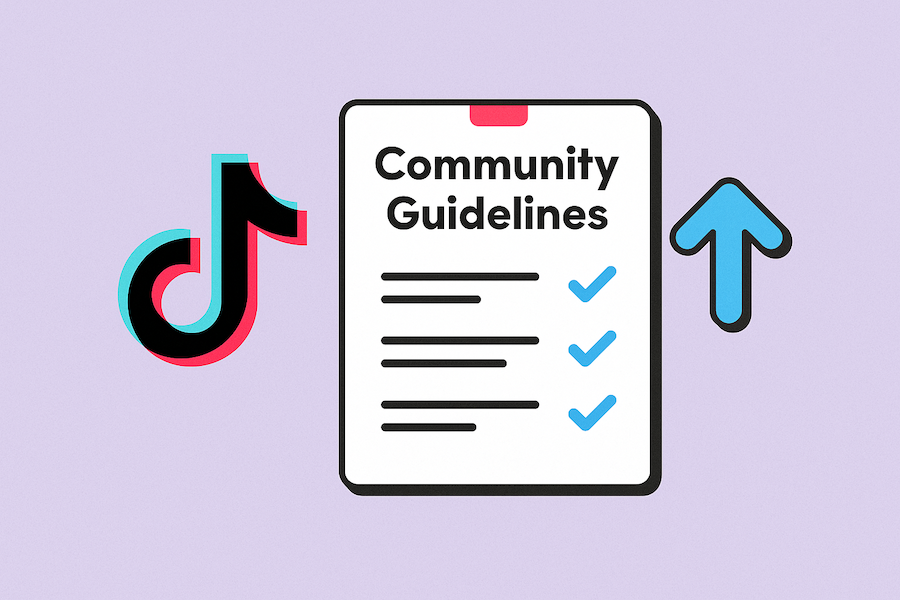
TikTok has rolled out comprehensive updates to its Community Guidelines that will fundamentally reshape how affiliate marketers operate on the platform, introducing stricter controls around AI-generated content and automated promotional activities. The changes, which take effect September 13, 2025, target key areas that directly impact performance marketing strategies, particularly around automation tools and commercial content creation.
The updates focus on two key areas: cracking down on misinformation and tightening controls on commercial activities. This dual approach means performance marketers will face increased scrutiny from TikTok’s enforcement systems.
Automation Arsenal Under Attack: The End of Bot-Driven Affiliate Strategies
The most immediate impact for affiliate marketers lies in TikTok’s newly reinforced stance against automation tools. The platform has introduced uncompromising language that “strictly prohibits automation tools, scripts, or other tricks designed to bypass our systems,” with violations resulting in content removal, account bans, or other enforcement.
This represents a seismic shift for affiliate operations that have relied on scheduling tools, engagement bots, or automated commenting systems to scale their TikTok presence. The platform’s enforcement mechanisms have become increasingly sophisticated, with over 85% of policy violations now detected by AI systems before users can report them—creating a technological arms race that favour’s TikTok’s resources.
AI Content Policies Create New Compliance Minefield
TikTok’s updated approach to AI-generated content introduces a complex web of restrictions that affiliate marketers must navigate carefully. The platform now requires clear labeling of AI-generated content while simultaneously prohibiting any AI content that could be “misleading about matters of public importance or harmful to individuals.”
This dual requirement creates a particularly challenging environment for affiliate marketers, who must balance transparency about AI usage with the risk of having content flagged as potentially harmful. The guidelines’ broad scope—moving beyond specific prohibitions around “fake authoritative sources” to encompass any misleading AI content—leaves significant room for subjective interpretation.
The challenge is compounded by TikTok’s evolving definition of “harmful” content. Product demonstrations, testimonials, or educational content created using AI tools could potentially fall under scrutiny if they’re deemed misleading, even when properly labeled. This uncertainty forces affiliate marketers to adopt more conservative content strategies or risk enforcement actions.
Regulated Goods Restrictions Reshape Vertical Opportunities
TikTok also clarified its language around content relating to gambling, alcohol, tobacco, drugs, firearms, and dangerous weapons, via a unified “Regulated goods and services” policy.
The changes also introduce new compliance requirements around commercial disclosure, mandating the use of TikTok’s built-in content disclosure settings for any promotional content. This technical requirement could pose challenges for affiliates working across multiple platforms who may not be familiar with TikTok’s specific disclosure mechanisms.
The evolution of TikTok’s Community Guidelines reflects broader industry trends toward platform accountability and content authenticity. For affiliate marketers, adaptation isn’t optional—it’s an immediate operational imperative that will determine long-term viability on one of digital marketing’s most valuable channels.
The Community Guidelines state: “We’ve organized our Community Guidelines by topic to make information easier to find. Under each category, you’ll find a “More information” section. That’s where we define key terms, answer common questions, and share helpful examples. These examples are meant to guide you, but they don’t cover every situation.
“If you’re ever unsure about what to post, just remember to be kind and treat others the way you would want to be treated.
“Thanks for helping to keep TikTok a welcoming space for everyone!“
Everflow
Connect
Tradedoubler
Connect
1win Partners
Connect
Shopnomix, a Nomix Group Company
Connect
Huffson Group
Connect
Kawaii Partners
Connect
Trackdesk
Connect
Share your expertise and expand your reach and become a content contributor with us today!
Contact Us To Find Out More