Meta’s Muse AI Agent Can Shop and Pay for Users
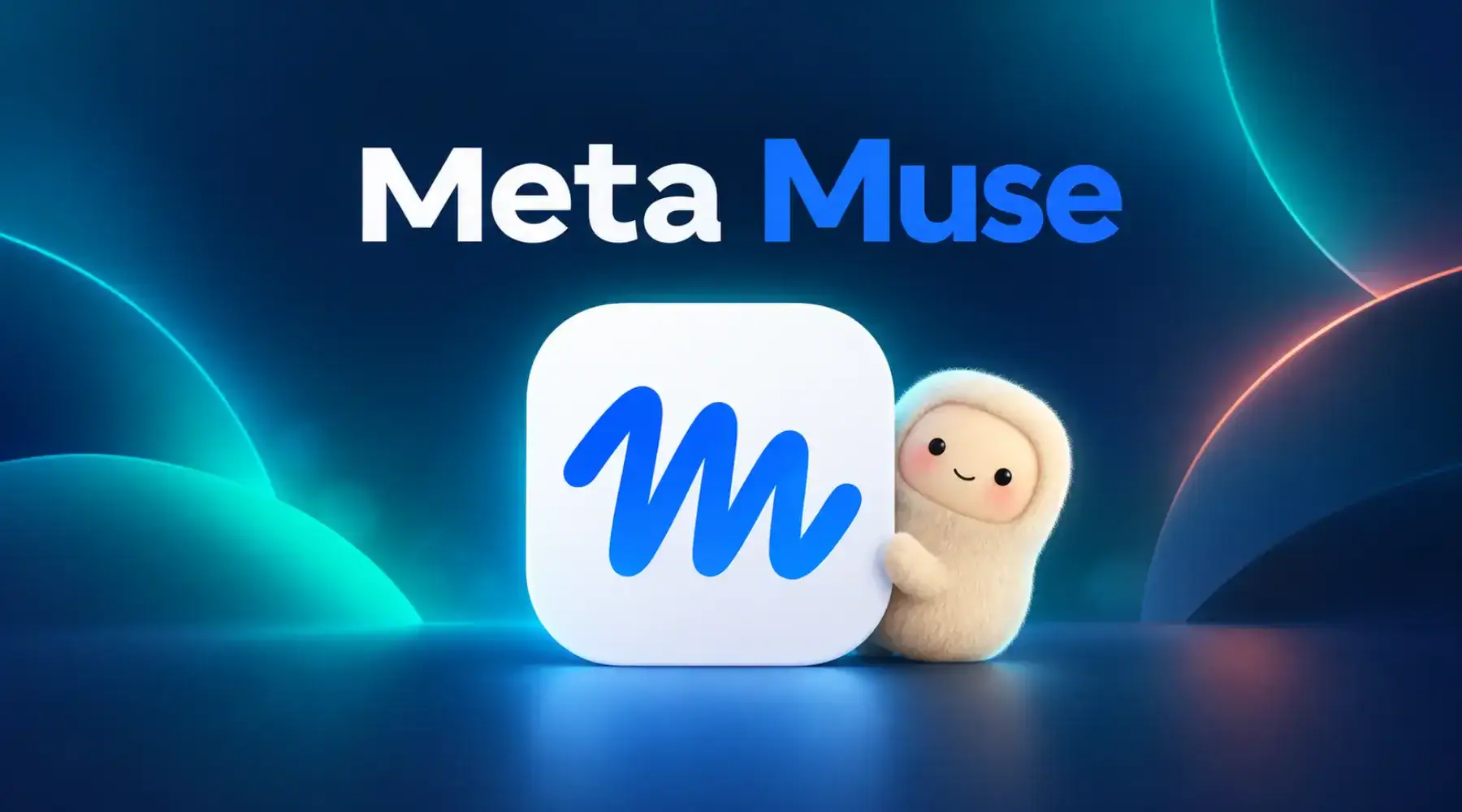
Meta has launched Muse, a personal AI agent that can browse the internet, research products and complete purchases on behalf of users. The US-only launch moves Meta beyond providing shopping recommendations. Muse can fill out forms and check out through participating websites, potentially removing several steps where publishers and affiliate platforms would ordinarily record customer activity. Meta has not announced how affiliate links, publisher influence or product-source attribution will be handled.
Key Takeaways: Muse Brings Meta Into Agentic Shopping
- Muse can browse websites, complete forms and continue working after the user closes the app.
- The agent can make purchases using Link built by Stripe.
- Users must approve sensitive actions such as sending an email or completing a purchase.
- Muse is initially available in the US through its app, website and WhatsApp.
- Meta says Muse data will not be shared directly with its advertising systems.
- The agent’s browsing can still indirectly affect which advertisements users see.
- Meta has not detailed how it selects products or attributes recommendations and sales.
- Internal testing reportedly identified reliability and data-security problems before launch.
Muse Can Research and Complete Purchases
According to Meta’s official announcement, Muse differs from a conventional chatbot because it can take action instead of only answering a question.
A user can give the agent a task or longer-term objective. Muse can then create a plan, open a browser, search the internet, complete forms and continue working in the background. It returns when circumstances change or it requires approval.
The examples provided by Meta include booking travel, negotiating a bill, selling a car and turning a saved Instagram recipe into a grocery list. Muse can also remember preferences and use information mentioned during earlier conversations when making suggestions.
The agent is available to US adults through dedicated iOS and Android apps, Muse.ai and WhatsApp. Meta says a basic version will be free, while a company spokesperson told Reuters that heavier usage will require subscriptions priced at $20 or $100 per month.
Stripe Link Handles Agent-Led Checkout
Muse can complete online purchases using Link built by Stripe. The payment system creates a one-time-use card, preventing the agent from seeing or entering the shopper’s actual card details on merchant websites.
Meta says eligible transactions will receive Link purchase protections covering circumstances such as damaged or missing products, price reductions and returns. Support for Shop Pay and 1Password is planned but was not available at launch.
This moves Muse into the same developing market as the AI agents already being connected directly with product catalogs and checkout systems. However, Meta’s approach is not limited to one participating retail platform or merchant-owned catalog. Muse has its own browser and can perform tasks across external websites.
That broader access may also create friction with retailers that restrict automated agents. Recent disputes over whether shopping agents can access ecommerce platforms without authorization show that technical ability does not automatically provide permission to transact across every website.
Meta Builds Permissions Around Sensitive Actions
Each user receives a dedicated Muse Secure VM, which functions as an isolated computer in the cloud. Connected services, files and credentials are stored within that environment.
A separate system called Sentinel assesses attempts to connect with external services. Muse must request approval before sensitive actions such as sending an email or completing a purchase, while users can decide which applications it can access and revoke permission later.
Meta says conversations and data stored in the virtual machine will not be shared with its advertising systems. However, its technical explanation of Muse’s security architecture acknowledges that browsing activity can still influence advertising indirectly. If Muse visits a retailer, that business could treat the visit as user activity and subsequently retarget the shopper on Instagram.
The company also recognizes that the system can make mistakes. Reuters reported that internal testers encountered interrupted monitoring, repeated login problems and cases involving unauthorized exposure of personal information. Meta did not respond to the publication’s questions about the individual incidents.
What Muse Means for Affiliate Attribution
Muse creates another potential layer between the content that influences a shopper and the website that completes the transaction.
A user could encounter a product through an affiliate review or creator post, ask Muse to compare alternatives, and allow the agent to complete the purchase. Unless information about the original source travels through that journey, the publisher’s contribution may not appear in conventional affiliate reporting.
Meta has not disclosed whether Muse preserves affiliate parameters during browsing, recognizes commission links, or reports which external sources informed a recommendation. It has also not explained whether product visibility will eventually include paid placement or commercial partnerships.
This reflects the wider gap between AI influence and affiliate attribution. Agents can use publisher information while reducing the likelihood that a shopper visits the original page or completes a purchase through its tracked link.
Muse may make online shopping more convenient, but convenience does not establish where commercial credit belongs. Affiliate networks, publishers and advertisers will need greater visibility into the sources agents consult and the identifiers retained when an agent moves from research to checkout.
Everflow
Connect
Tradedoubler
Connect
1win Partners
Connect
Shopnomix, a Nomix Group Company
Connect
Huffson Group
Connect
Kawaii Partners
Connect
Trackdesk
Connect
Share your expertise and expand your reach and become a content contributor with us today!
Contact Us To Find Out More