Google Separates YouTube Affiliate Traffic From Organic Reporting
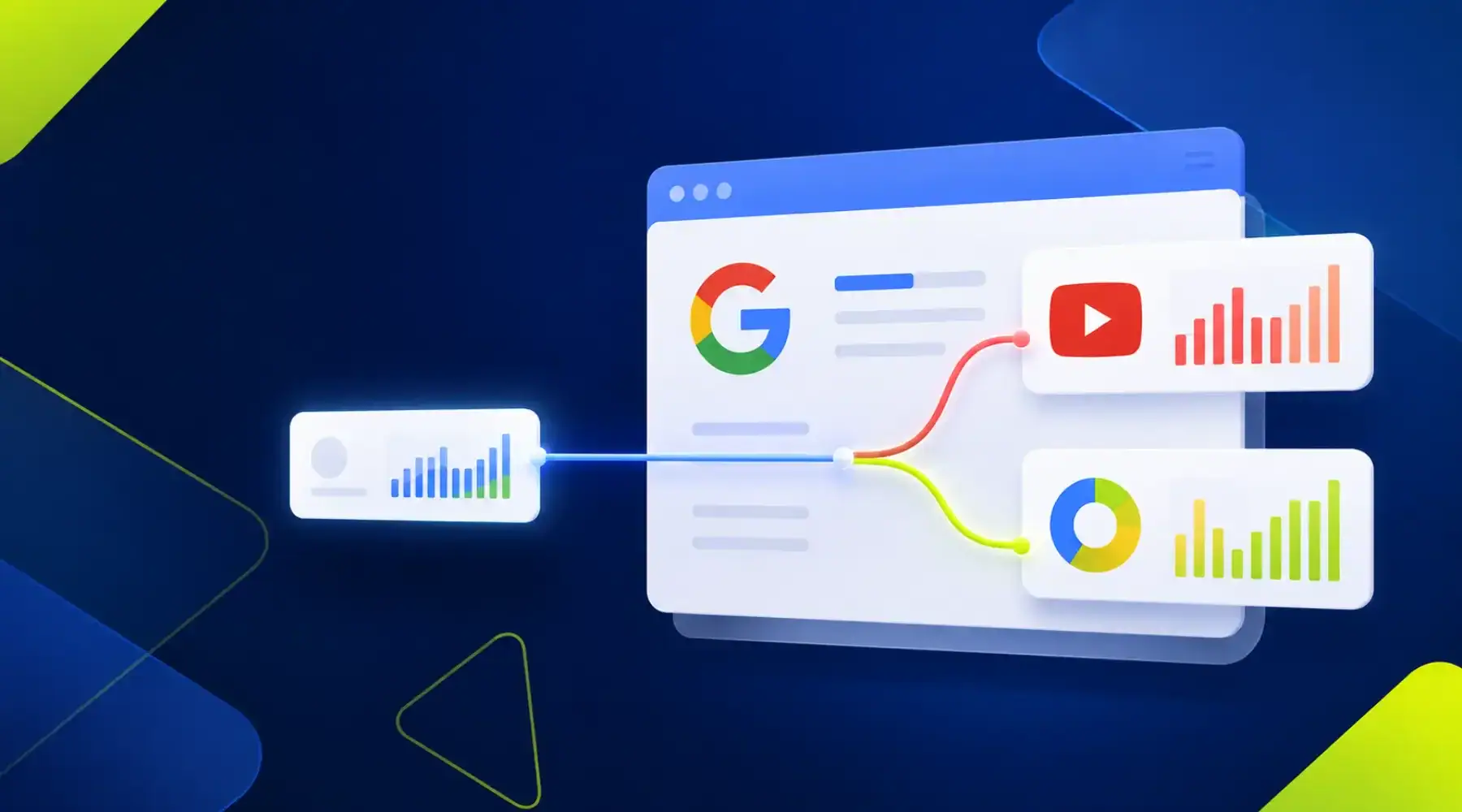
Google has changed how YouTube affiliate traffic appears in Merchant Center, separating interactions with commission-eligible products from organic reporting. The update took effect on August 24, 2026, and may cause merchants to see an apparent decline in organic traffic even when the underlying level of product activity has not fallen.
The change gives YouTube affiliate activity its own reporting value, making it easier to distinguish creator-led commerce from standard free product visibility. Google has also updated its definition of organic YouTube traffic, creating another potential break in historical comparisons.
Key Takeaways: What Merchants and Affiliate Teams Need to Know
- Commission-eligible YouTube product interactions are now reported under a separate “YouTube affiliate” traffic value.
- This activity is excluded from organic reporting, which may produce a one-time drop in reported organic traffic.
- YouTube interactions involving products that are not eligible for commission will remain under organic.
- The changes affect historical Merchant Center data from July 1, 2026.
- Merchants should review reporting classifications before concluding that YouTube visibility or product demand has declined.
Google Creates a Separate YouTube Affiliate Category
Google announced the Merchant Center reporting changes on August 11 before implementing them on August 24.
Products eligible for creator commission are now reported as a distinct interaction type under a new “YouTube affiliate” traffic value. These interactions will no longer be included in the organic category.
Products that are not eligible for commission will continue to appear under organic reporting. This means two interactions originating from YouTube could be classified differently depending on whether the promoted product forms part of the YouTube Shopping affiliate program.
The reporting distinction does not change how creators generate commissions. It changes how merchants see that activity alongside their other product-performance data.
Merchant Center already provides dedicated YouTube Shopping affiliate analytics, including gross and net sales, commissions, views, clicks and orders. Performance can also be broken down by creator, content and product.
Why Organic Traffic May Appear to Have Fallen
Google warns that removing YouTube affiliate interactions from organic reporting could cause a one-time significant decline in the organic category. This should not automatically be treated as evidence that fewer people viewed or engaged with a merchant’s products.
Some of the activity previously sitting inside the organic total may simply have moved into the new YouTube affiliate category.
Google has also aligned its definitions for organic YouTube clicks and impressions with YouTube’s wider reporting standards. That separate adjustment can also reduce reported organic traffic, making it important not to attribute every change solely to the affiliate reclassification.
Teams should compare the organic and YouTube affiliate categories together before diagnosing a performance problem. Google’s Search Console platform properties can provide additional context by showing how YouTube content is discovered through Search, Discover and Google News, although those reports do not replace Merchant Center or affiliate conversion data.
A lower organic total accompanied by newly visible affiliate activity would indicate a measurement change rather than a comparable loss in overall traffic.
Historical Comparisons May Need to Be Rebuilt
Although the changes took effect on August 24, Google is applying the YouTube affiliate separation and updated organic definitions retrospectively to data from July 1, 2026.
This gives merchants a recent period of reclassified data, but it can complicate comparisons with reporting from before July. Dashboards, automated reports and other parts of the affiliate data stack may still rely on the previous organic classification.
Affiliate and ecommerce teams should annotate the reporting change and check whether month-over-month or year-over-year comparisons cross the July 1 boundary. Reports that measure organic performance without including the new affiliate category could otherwise suggest a decline that did not occur on a comparable basis.
What Affiliate Managers and Merchants Should Check
Teams using Merchant Center data should:
- Compare organic and YouTube affiliate traffic before investigating an apparent decline.
- Identify reports, dashboards and alerts that depend on the organic traffic value.
- Review performance from July 1 onward following the retrospective update.
- Separate commission-eligible products from products that remain under organic reporting.
- Explain the classification change in August and quarterly performance reports.
Merchants should also examine results by creator, video and product rather than relying only on the overall traffic category. Google’s Merchant API can retrieve YouTube affiliate metrics including sales, commissions, orders, views and clicks, although the relevant reporting views remain in an alpha release.
Affiliate Traffic Becomes More Visible Inside Merchant Center
The update gives creator-led affiliate activity a clearer position within Google’s reporting system. This should help merchants distinguish standard YouTube product discovery from interactions tied to commission-eligible creator promotions.
It does not show that affiliate traffic has increased, nor does a decline in organic reporting prove that product visibility has weakened. The immediate task is to understand where the activity is now being recorded.
As YouTube Shopping develops into a broader affiliate commerce channel, clearer classification should make it easier to assess how creator content contributes to merchant performance without leaving that activity inside a general organic category.
Everflow
Connect
Tradedoubler
Connect
1win Partners
Connect
PIN-UP Partners
Connect
Shopnomix, a Nomix Group Company
Connect
V.Partners
Connect
Huffson Group
Connect
Kawaii Partners
Connect
Share your expertise and expand your reach and become a content contributor with us today!
Contact Us To Find Out More