Google Rolls Out Search Console Platform Properties Globally
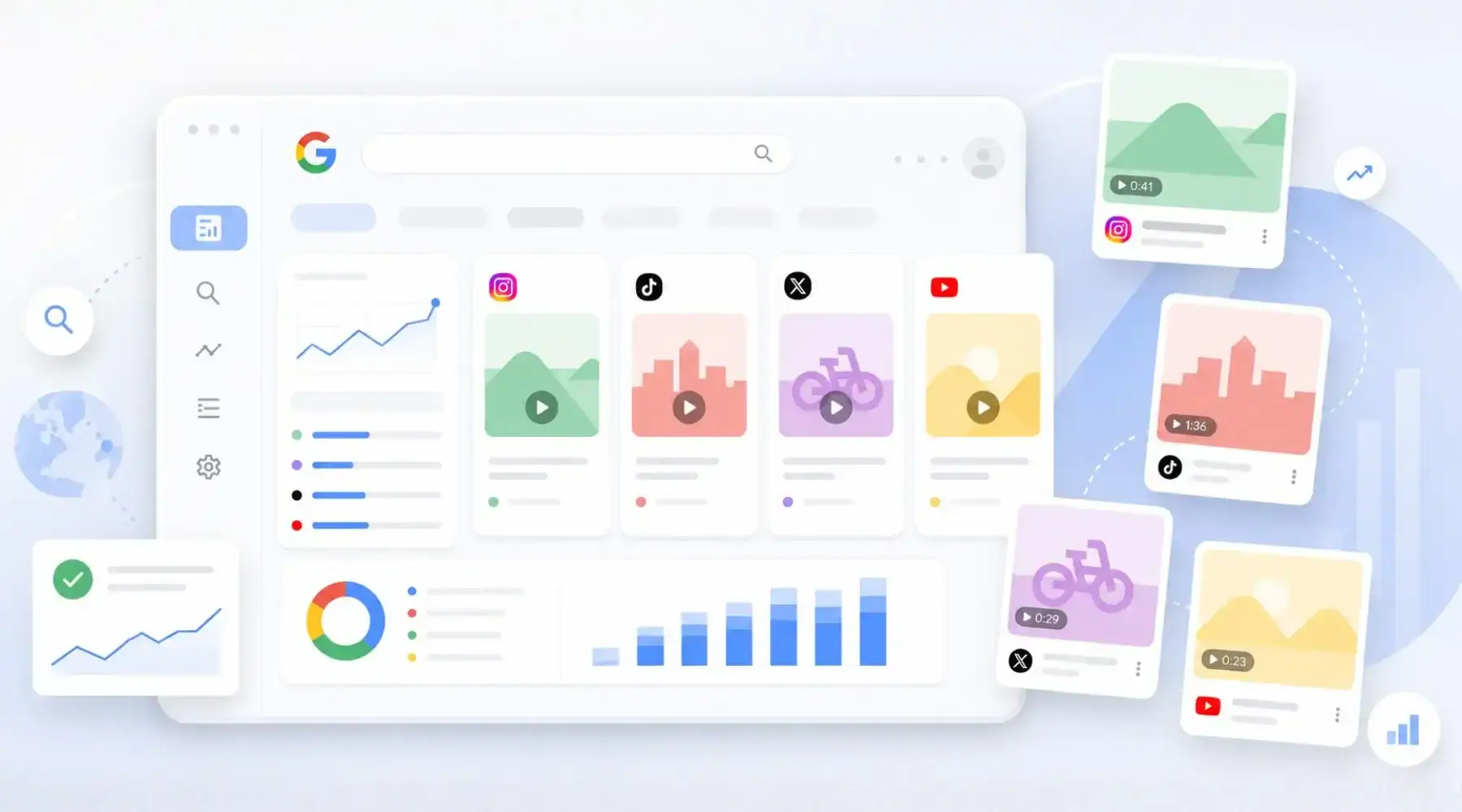
Google has made Search Console platform properties available globally, giving creators, publishers, and marketing teams access to Google performance data for content published on Instagram, TikTok, X, and YouTube. The company has also published a new social and video content performance guide, outlining how teams can identify trending queries, compare content, and find posts gaining visibility through Google.
Key Takeaways: Google’s Global Platform Properties Rollout
- Search Console platform properties are now available globally.
- The properties support accounts on Instagram, TikTok, X, and YouTube.
- Google’s new guidance covers query trends, recent traffic spikes, cross-platform analysis, and content comparisons.
- The reports can add context to creator and affiliate measurement but do not replace native analytics or conversion tracking.
Search Console Platform Properties Become Available Worldwide
Google first announced platform properties earlier in July, introducing a way to see how social posts and videos perform across Google Search, Discover, and Google News.
Our original article on Search Console reporting for social and video content covered the available reports, supported platforms, and account verification process. At the time, access was being introduced gradually and was not yet available to every user.
Google confirmed on July 29 that the rollout is now complete and that platform properties are available globally. Users can add and verify supported accounts individually through Search Console.
Accounts connected to an existing Google Search profile should already be available as properties for the same platforms. The completed rollout means social media, SEO, and creator teams can now begin incorporating the reports into their regular analysis.
Google Explains How Teams Can Analyze Social and Video Content
Alongside the wider rollout, Google has published practical recommendations for turning platform property data into content decisions. Search Console Insights can group the queries sending traffic to social and video content into top, rising, and declining themes. These findings may help teams identify subjects gaining attention and inform future videos, captions, and hashtag strategies.
The 24-hour Performance report can also reveal when a recent post or video begins experiencing a sudden increase in traffic from Google Search. Google suggests using this information to cross-promote rising content through other platforms. Its guidance also covers exporting data to compare performance across Instagram, TikTok, X, and YouTube. Within individual properties, filters can be used to compare content such as YouTube Shorts and full-length videos or Instagram Reels and standard posts.
Teams can also monitor older content that begins receiving renewed search interest. Depending on the findings, they may decide to promote the post again, pin it to a profile, or produce a follow-up. Search Console annotations can then record changes to titles or captions, helping teams review how performance moves after an update.
What Platform Properties Mean for Affiliate Measurement
For affiliate teams, platform properties can provide more information about the discovery stage before a user reaches a website or trackable affiliate link.
The reports can show which social posts, videos, and search queries are attracting traffic from Google. This may help teams understand which creator topics are generating search interest and which formats are worth supporting with related articles, campaigns, or landing pages. However, Search Console does not connect every content impression or click with a later affiliate conversion. Platform property data should therefore be assessed alongside native social analytics, website Search Console reports, GA4 traffic analysis, and affiliate tracking.
What Affiliate and Creator Teams Should Do Next
Teams managing brand-owned or partner-led social accounts should check which profiles are available as platform properties and verify any accounts that have not been added automatically. Once enough data is available, marketers can review high-performing queries, content, countries, and devices alongside their wider editorial and commercial reports. Platform properties will not replace affiliate attribution or native social reporting. They can, however, show which off-site content is being discovered through Google and where search behavior may point to new articles, videos, and creator campaigns.
Everflow
Connect
Tradedoubler
Connect
1win Partners
Connect
PIN-UP Partners
Connect
Shopnomix, a Nomix Group Company
Connect
V.Partners
Connect
Huffson Group
Connect
Kawaii Partners
Connect
Share your expertise and expand your reach and become a content contributor with us today!
Contact Us To Find Out More