Google Tests AI Search Tool Built Around YouTube. What Affiliate Marketers Need to Know
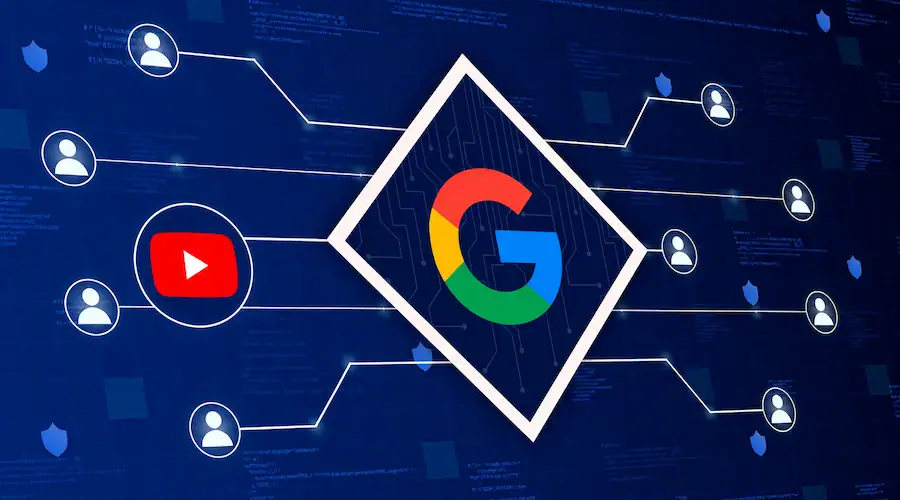
Google is quietly testing a new AI-powered search feature called “Ask YouTube,” which allows users to pose questions directly within the YouTube interface and receive answers pulled from video content. For affiliates and program managers who have spent years optimising written content for organic search, the development raises a question that cannot be ignored: is the traffic landscape shifting toward video in ways that demand a more urgent strategic response?
The feature, currently in testing, uses AI to surface answers from YouTube’s vast video library in response to natural language queries. Think of it as a search layer sitting on top of YouTube’s content, one that prioritizes video as the primary medium for delivering information rather than sending users out to indexed web pages.
Why This Matters Beyond the YouTube Viewing Algorithm
At first glance, “Ask YouTube” might seem like a platform feature limited to creators and video publishers. But the implications run considerably deeper for anyone running affiliate content operations.
Google has been steadily integrating AI Overviews into its standard search results since rolling out the feature more broadly in 2024. Those AI Overviews already pull from a range of sources, and video has increasingly become part of that content mix. “Ask YouTube” appears to be an extension of that direction, essentially training users to reach for video-first answers to product, how-to, and comparison queries.
These are precisely the query types that affiliate content has historically owned. Best product round-ups, buying guides, “how does X work” explainers, and comparison articles have been the workhorses of affiliate SEO for more than a decade. If those same queries are increasingly answered inside YouTube through an AI layer, the written article sitting at position one in Google search has a much smaller role to play.
We have covered the growing impact of AI on affiliate traffic patterns at length. The direction of travel is clear: Google is reducing the number of clicks that leave its ecosystem, and “Ask YouTube” accelerates that by keeping users inside a Google-owned property even when they are seeking detailed, research-driven answers.
The Video Gap Most Affiliate Programs Have Not Closed
Here is the uncomfortable reality for many affiliate programs: video is still treated as supplementary rather than central. A program might have a well-resourced content team producing written guides, an optimised link strategy, and strong editorial standards, but the YouTube presence is either thin, inconsistent, or outsourced to creators with no formal tie to the affiliate program.
“Ask YouTube” changes the calculus on that investment decision. If YouTube is becoming a primary answer engine for product and service queries, then the affiliate programs and publishers that have built credible, well-structured video content libraries are going to have a material advantage over those that have not.
That said, the feature is still in testing and its eventual rollout is not guaranteed in its current form. Google has a long track record of testing features that never reach full deployment, or that launch in significantly altered versions. The pattern with AI search tools has also shown that rollouts can be uneven across markets and verticals, meaning iGaming, finance, and health affiliates may see different impacts depending on where regulatory caution meets content visibility rules.
The prudent position is not to panic and rebuild everything around video, but to start taking video content strategy seriously as part of your long-term traffic and discovery planning.
What the Affiliate Industry Has Already Learned From AI Search Disruption
The arrival of AI Overviews taught affiliates a hard lesson: platforms do not give advance warning before they restructure discovery. Many publishers saw meaningful organic traffic declines in the months following AI Overview expansion without any penalty or algorithm update to point to. The traffic simply went elsewhere because users got answers without clicking through.
The publishers who navigated that disruption best were those who had diversified their traffic sources, built direct audience relationships through email and community, and had content that was harder for an AI to summarise into a single answer box. Detailed, experience-led content with genuine human perspective held up better than listicle-style round-ups optimised primarily for keyword match.
The lesson for “Ask YouTube” is similar. AI systems pulling from video content will favor creators with clear, authoritative, well-structured videos that answer questions directly. Affiliate programs that partner with creators producing that kind of content are better positioned than those relying on broadly optimised written content alone.
Thinking about how to audit and adapt your content approach for an AI-influenced search environment?
Three Actionable Steps to Take Now
1. Audit your YouTube presence against your top affiliate content categories. Map your highest-traffic written content against your YouTube library. Where are the gaps? Which product categories, how-to topics, or comparison queries do you cover in written form but not in video? Those gaps represent your exposure if “Ask YouTube” reaches broader deployment.
2. Build formal affiliate relationships with video creators, not just written publishers. If your program’s publisher mix is still heavily weighted toward blog and editorial affiliates, now is the time to deliberately recruit YouTube creators who cover your category. The relationship structure for video affiliates can differ from traditional content affiliates, so invest time in understanding what those partnerships look like in practice.
3. Treat video content as owned infrastructure, not just influencer activation. Some programs are beginning to invest in brand-owned YouTube channels that support affiliate discovery through educational and review content. Even a modest, consistently produced video library gives you some presence in a channel that may become structurally more important over the next 18 to 24 months.
The affiliate industry has navigated search disruption before and adapted. “Ask YouTube” is still early, but the direction it signals is worth planning around now, before the window for early-mover advantage closes.
_________________________________________________________________________________________
Cited source: Performance Marketing World, “Google testing Ask YouTube AI search tool” (performancemarketingworld.com)
Want to stay ahead of search and platform shifts affecting your affiliate program? Sign up for our weekly newsletter at https://www.affiversemedia.com for analysis, guides, and industry intelligence delivered straight to your inbox.
Everflow
Connect
Tradedoubler
Connect
1win Partners
Connect
PIN-UP Partners
Connect
Shopnomix, a Nomix Group Company
Connect
V.Partners
Connect
Huffson Group
Connect
Kawaii Partners
Connect
Share your expertise and expand your reach and become a content contributor with us today!
Contact Us To Find Out More