Pinterest Opens Visual Search Ads to Performance Advertisers
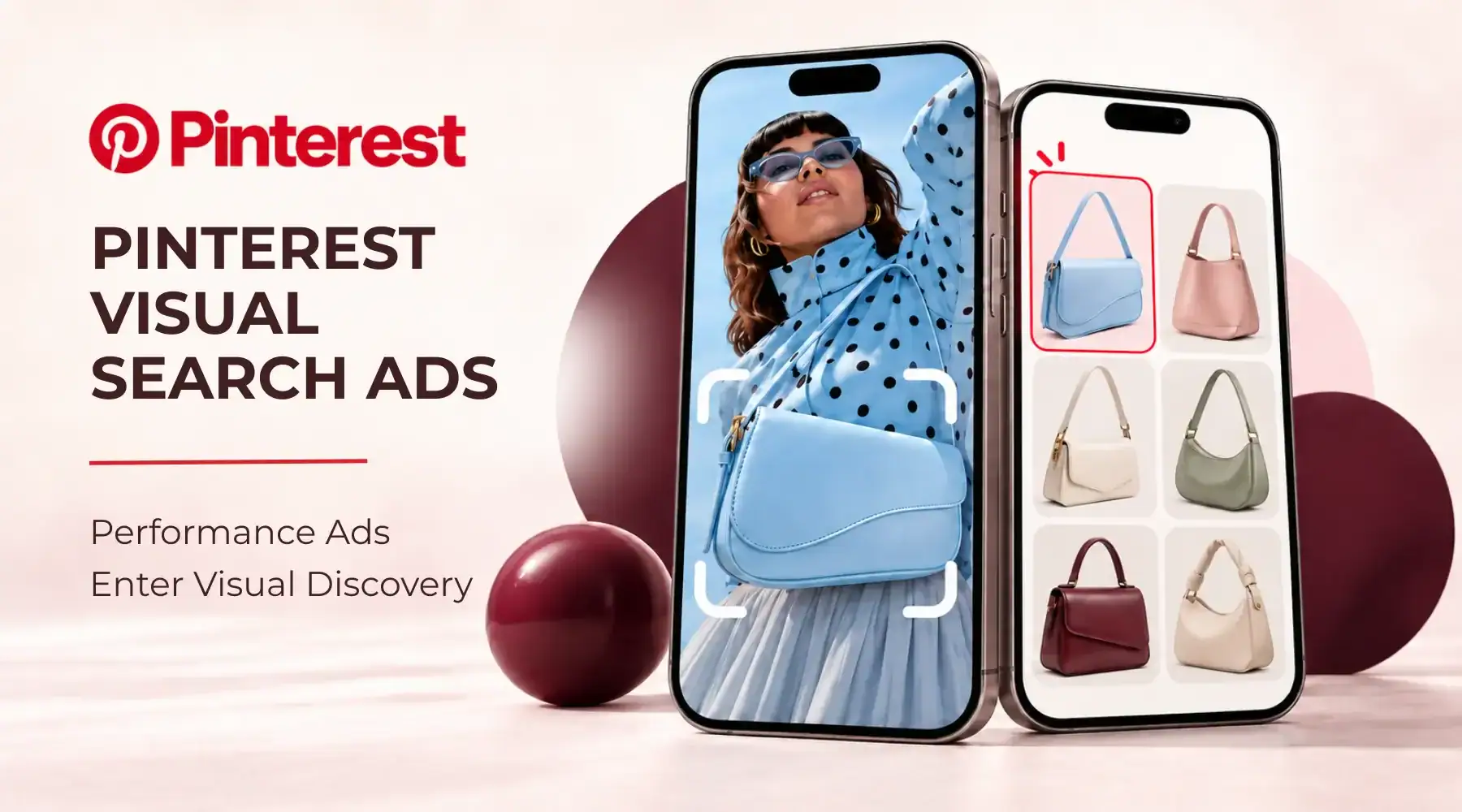
Pinterest is opening visual search to performance advertisers with a new ad format that places sponsored results in Pinterest Search Results and Pin close-ups. Visual Search Ads will allow eligible advertisers to bid for prominent positions and send shoppers directly to their websites.
The format is due to enter beta across Pinterest’s advertising markets in the coming weeks. It brings paid media closer to the moment when a user moves from noticing a product to comparing similar options and deciding what to buy.
Key Takeaways: What Pinterest Visual Search Ads Mean for Advertisers
- Advertisers will be able to bid for prominent placements in visual search results and Pin close-ups.
- Visual Search Ads can link directly to an advertiser’s website, supporting lower-funnel campaign goals.
- The format will work with Pinterest Performance+, the platform’s automated performance advertising suite.
- The beta is planned for eligible advertisers across all Pinterest ad markets in the coming weeks.
- Pinterest has not released independent performance results for the new format.
How Pinterest Visual Search Ads Work
Pinterest announced the format at its annual Pinterest Presents advertiser event. According to the official announcement, Visual Search Ads combine keyword relevance with Pinterest’s visual understanding of images, products, tastes and intent.
The placement is designed for users who are already searching or comparing products. An advertiser can bid for a top response, appear within the visual discovery journey and direct the user to its own site.
That makes the format different from a standard promoted Pin shown earlier in the browsing process. It is intended to reach shoppers at a more active stage of consideration, when the appearance of a product may communicate more than a written search term.
Pinterest Positions Visual Search as a Performance Channel
Pinterest says its users conduct more than 80 billion searches each month, with the vast majority described as visual and more than half classed as commercial. These are platform-supplied figures, but they explain why Pinterest is presenting visual discovery as a performance opportunity rather than only an awareness channel.
Visual Search Ads will support lower-funnel objectives and will be compatible with Pinterest Performance+. The company also announced Priority Products, which lets advertisers tell Performance+ which items to favor during launches, promotions or category pushes.
Other updates include self-serve A/B testing across creative and targeting, plus an App Promotion objective for qualified advertisers. Together, the releases show Pinterest building more campaign controls around automated buying and measurable actions, reflecting the wider shift toward AI-powered paid media.
What This Could Mean for Affiliates and Creators
The immediate story is a new paid advertising placement, but it also changes the environment around organic product discovery.
A creator, publisher or product Pin may introduce an idea and prompt a shopper to explore similar items. Visual Search Ads could then give a paying advertiser a prominent position during the comparison stage, even when another source generated the initial interest. Affiverse has examined a similar cross-channel attribution gap on TikTok Shop, where creator content can create demand that converts elsewhere.
That does not mean paid placements will automatically take credit from affiliates or creators. It does mean merchants should look beyond the final click when assessing how Pinterest activity contributes to a sale. The wider creator measurement gap already shows how content can influence a purchase without receiving the final conversion credit. Assisted conversions, incrementality and the relationship between organic Pins and paid search placements will all matter when campaigns begin running.
For partners, the practical question is whether content that starts a product search can still receive appropriate credit when a shopper later clicks a sponsored visual result.
What Advertisers Still Need to Know
Visual Search Ads have been announced as an upcoming beta, and Pinterest has not yet published detailed eligibility criteria, pricing benchmarks or independent conversion data for the format. Advertisers should therefore treat early tests as channel experiments rather than assume that prominent placement will produce incremental sales.
Teams will need to compare results against existing Pinterest campaigns, monitor overlap with organic traffic and establish whether the ads reach new shoppers or capture demand already created elsewhere.
The announcement nevertheless marks a clear expansion of Pinterest’s advertising proposition. Visual discovery is becoming a biddable performance surface, placing advertisers closer to the point where inspiration turns into product comparison and purchase intent.
Everflow
Connect
Tradedoubler
Connect
1win Partners
Connect
PIN-UP Partners
Connect
Shopnomix, a Nomix Group Company
Connect
V.Partners
Connect
Huffson Group
Connect
Kawaii Partners
Connect
Share your expertise and expand your reach and become a content contributor with us today!
Contact Us To Find Out More