Mavely Becomes Later as Affiliate and Creator Tools Consolidate
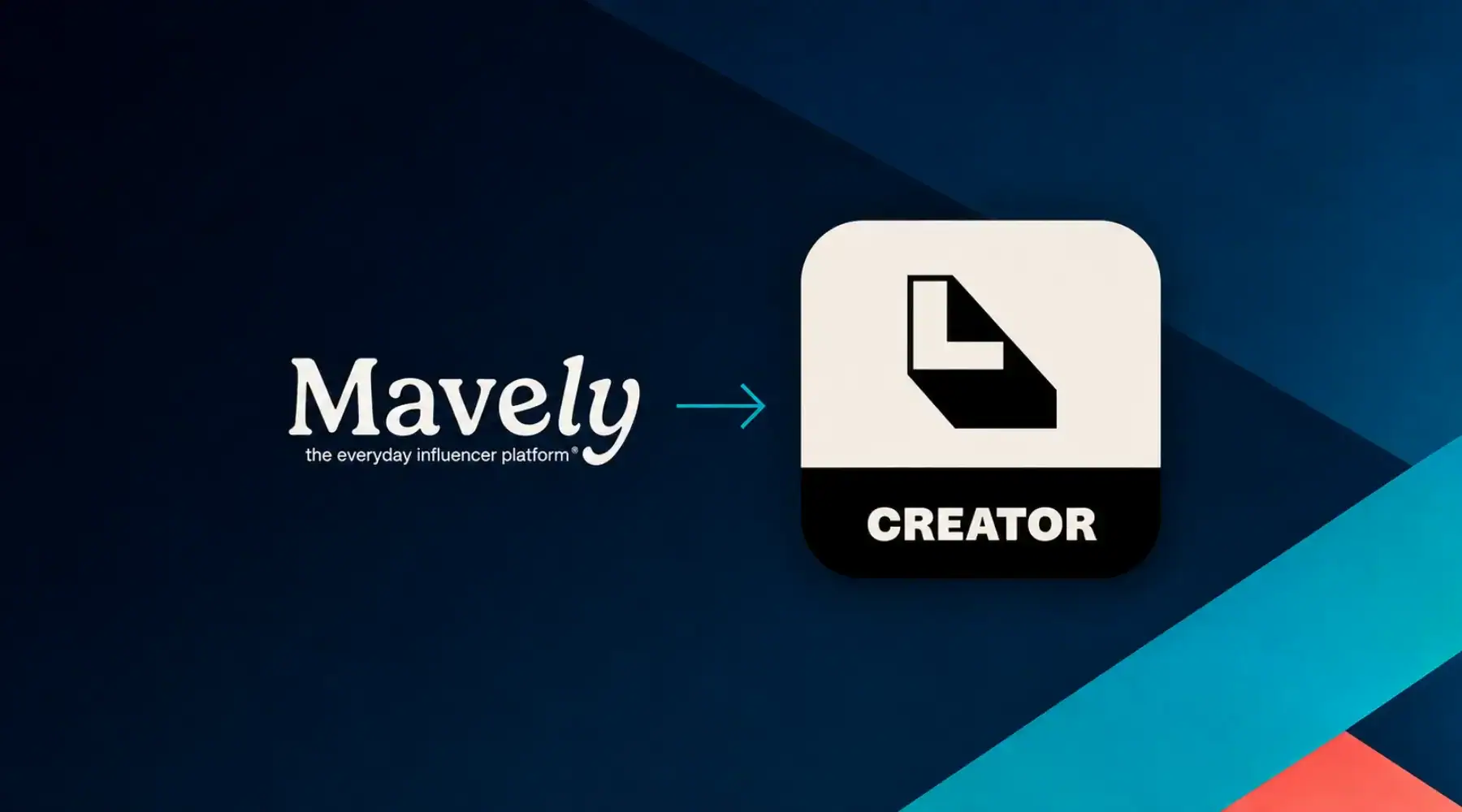
Mavely is now operating under the Later brand, completing the integration announced after Later acquired the creator-affiliate platform in January 2025. Existing affiliate links, commission structures and payout schedules are expected to continue, while Mavely’s performance tools become part of Later’s wider creator-marketing platform.
The change connects affiliate sales data with influencer campaign management and social-media tools. However, it does not establish that creators will receive more campaigns, higher commissions or increased earnings.
Key Takeaways: What the Mavely–Later Integration Changes
- Mavely has been fully incorporated into Later and will use the Later name.
- Existing accounts and Mavely affiliate links will remain active.
- Commission structures and the twice-monthly payout schedule are not changing.
- Creators are expected to gain access to additional Later campaign opportunities.
- Some campaign-application features are still described as forthcoming.
- The integration brings affiliate performance and paid creator campaigns into the same platform.
Mavely Accounts and Affiliate Links Will Continue
According to Later’s integration announcement, creators do not need to open a new account, reset their password or replace previously published links. Existing mave.ly links are expected to continue tracking and earning commission.
Later says commission arrangements will remain unchanged and payments will continue on the first and fifteenth of each month. Creators need to update the app to see the new branding, but the company describes the transition as an integration rather than the closure of Mavely’s affiliate service.
That continuity matters for creators with links embedded across older content. Replacing an established link library could affect revenue from evergreen pages and posts. Later says that step will not be required.
The Integration Completes a $250 Million Acquisition
Later acquired Mavely in January 2025 in a deal valued at $250 million. At the time, Affiverse examined how the acquisition could combine affiliate performance data with influencer campaign management.
The latest announcement turns that earlier corporate transaction into a visible platform change. Mavely’s separate brand is being retired, and its affiliate-linking and reporting tools are being incorporated into Later.
Creators will retain access to real-time reporting for clicks, conversions and earnings. Later also says they will soon be able to browse and apply for campaign opportunities directly through the platform. The announcement does not provide a fixed rollout date or establish that every creator will qualify for those campaigns.
Affiliate Performance Moves Closer to Brand Campaign Selection
Bringing the systems together could give brands a clearer view of how a creator’s content performs beyond reach and engagement. Affiliate results can provide evidence of clicks, conversions and sales, while Later’s other tools cover campaign activation and social-media management.
The integration may therefore reduce the operational separation between commission-based affiliate activity and paid influencer work. It reflects the wider convergence of affiliate and influencer marketing, where creator fees, commissions and performance reporting increasingly sit within the same campaign structure. A creator who demonstrates sales performance through affiliate links could also be considered for fixed-fee or hybrid campaigns.
That is a possible use of the combined platform, not a guaranteed outcome. Later has not disclosed how affiliate results will be weighted when brands select creators, which performance indicators will be most influential or whether access to campaign opportunities will differ between accounts.
I wouldn’t add another link to the final section. The acquisition article and this convergence guide give the page enough internal context without overloading a relatively short news story.
What Brands and Creators Should Watch
For creators, the immediate check is continuity. Existing links should remain functional, performance reporting should remain available and scheduled payments should follow the existing timetable. Any future change to those arrangements would require separate communication from Later.
Brand partners that previously used Mavely are also being moved into the wider Later environment. This may simplify creator discovery, affiliate activation and campaign reporting by placing them with one provider. It can also make it more important to understand which data is shared between affiliate and influencer workflows and how sales performance influences creator selection.
The rebrand does not, by itself, change the economics of an affiliate campaign. Commission rates, product relevance, attribution rules, returns and audience intent will continue to determine whether links generate sustainable earnings.
Mavely becoming Later is therefore best understood as an infrastructure change. It brings two previously connected services under one operating brand and moves affiliate performance closer to the systems used to plan and assess wider creator campaigns.
Everflow
Connect
Tradedoubler
Connect
1win Partners
Connect
Shopnomix, a Nomix Group Company
Connect
Huffson Group
Connect
Kawaii Partners
Connect
Trackdesk
Connect
Share your expertise and expand your reach and become a content contributor with us today!
Contact Us To Find Out More