The Youth Protection Pivot: U.S. Lawmakers Target Prediction Markets and the Impact on Affiliate Compliance
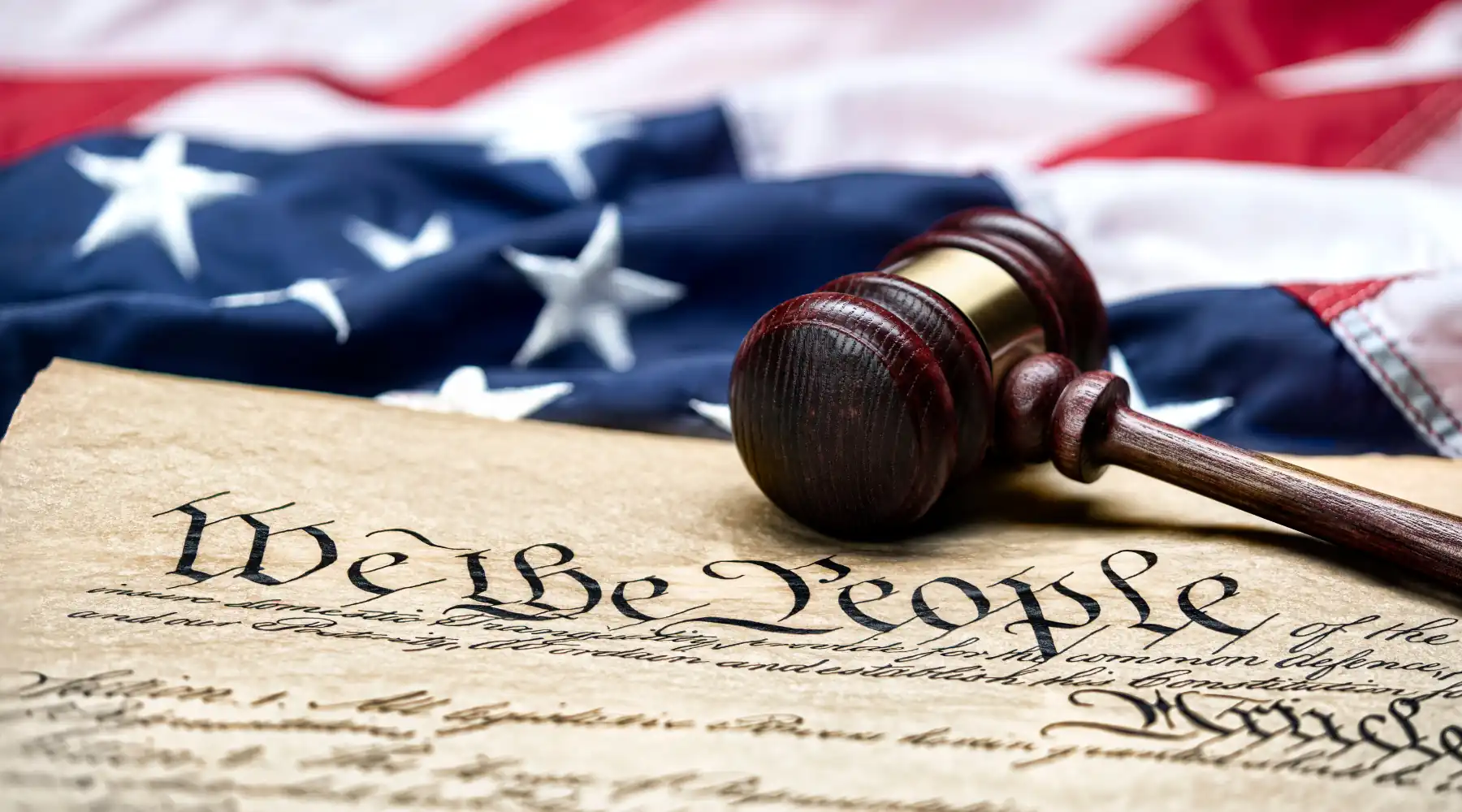
As the American wagering market matures, the regulatory focus is shifting from market entry to market conduct. A high-profile inquiry led by the U.S. Representative Valerie Foushee and a coalition of House Democrats has officially placed the “Prediction Market” sector under the federal microscope. The investigation, centered on the potential for youth exposure to gambling-like products, isn’t just a hurdle for platforms like Kalshi or Polymarket; it is a watershed moment for the entire U.S. affiliate ecosystem. When federal lawmakers begin questioning the “blurring of lines” between financial trading and sports betting, the marketing community must prepare for a significant tightening of audience targeting protocols across all fifty states.
The Legislative Inquiry: Deconstructing the Concerns
The core of the congressional inquiry, formalized in a detailed letter to CEOs across both the prediction market and traditional sports betting sectors, centers on the “gamification” of financial and political events. Lawmakers are specifically concerned with how these platforms utilize social media and influencer marketing—channels where the demographic skew is significantly younger—to promote products that carry the same psychological and financial risks as traditional gambling.
The inquiry demands transparency on several fronts that directly impact how U.S. affiliates operate:
- Verification Protocols: How are platforms ensuring that “Know Your Customer” (KYC) processes are robust enough to catch sophisticated underage users using digital wallets?
- The “Influencer” Loophole: The letter explicitly questions the use of social media personalities who command audiences under the age of 21, a direct shot across the bow for affiliate managers who rely on the creator economy for acquisition.
- Product Definition: By grouping prediction markets (event-based betting) with sports betting, lawmakers are signaling that they intend to regulate “speculative trading” with the same heavy hand as a parlay on an NFL game.
This federal interest suggests that the “Wild West” era of event-based wagering is coming to a swift close. For affiliates operating in the U.S., the takeaway is clear: the defense of “we only provide the link” is no longer a viable compliance strategy in the eyes of federal regulators.
Why Prediction Markets are the New Compliance Frontline
Prediction markets have seen a meteoric rise in 2024 and 2025, particularly surrounding U.S. election cycles and geopolitical events. However, the data provided in the legislative background suggests that the rapid scaling of these platforms has outpaced their internal compliance safeguards. This shift reveals a precarious gap between innovation and protection.
The inquiry highlights that the ease of access via mobile apps and the “investment-adjacent” language used in marketing materials may be misleading younger demographics into believing these products are lower-risk than traditional sportsbooks.
- Conversion vs. Risk: Internal data suggests that conversion rates for prediction markets are significantly higher among Gen Z and Millennial cohorts compared to traditional horse racing or casino products.
- The Advertising Spend Shift: Illegal operators and offshore prediction platforms are outspending regulated entities on unregulated social channels, further complicating the “safe” traffic ecosystem for legitimate American affiliates.
- Market Integrity: Lawmakers are questioning if the “house” or the affiliates are providing adequate warnings regarding the loss of principal, a standard requirement for financial products that is often absent in gambling-style marketing.
Strategic Context: The Professionalization of U.S. Affiliation
For the professional affiliate leader, this inquiry should be viewed as a catalyst for “High-Trust” marketing. The U.S. market is moving toward a model where the quality of the player is more important than the quantity of sign-ups. If federal lawmakers move forward with restrictive legislation, the first casualty will be the high-volume, low-compliance affiliate.
The letter from Rep. Foushee highlights a growing frustration with “predatory” marketing tactics. For the affiliate community, this means that the “So What?” is simple: the industry must self-regulate its marketing funnels before the government does it for them. This includes a mandatory move toward age-gating not just at the operator level but at the pre-click content level.
“The industry stands at a crossroads,” notes one compliance expert cited in the inquiry’s supporting documents. “You cannot market a high-risk financial product using the same aesthetics as a mobile game and expect the federal government to look the other way.”
The Road to 2026: Forecasting the Federal Response
Looking ahead, we expect this inquiry to evolve into a series of formal hearings. This will likely result in a new “National Code of Conduct” for gambling and prediction market advertising. We are already seeing suggestions for automated age-verification technology that triggers long before a deposit is even made, similar to high-security financial apps.
For affiliates, this regulatory evolution will likely lead to:
- Mandatory White-Listing: Operators may begin requiring affiliates to provide full “transparency reports” on their traffic sources and audience demographics to prove they aren’t targeting minors.
- Influencer “Black-Box” Audits: Social media affiliates will likely face stricter scrutiny regarding the age demographics of their followers, with “soft” bans on creators whose audiences are more than 20% under the age of 21.
Three Actionable Steps for Affiliate Directors
- Immediate Audience Audit: Review your top-performing conversion channels. If your primary traffic is coming from platforms with high youth engagement (TikTok, Discord, certain segments of X), begin diversifying your “top-of-funnel” content to appeal to a more mature, financially stable demographic.
- Verify Operator KYC Standards: Don’t wait for the law to change. Ask your U.S. partners for a detailed breakdown of their youth-protection technology. Align your brand with operators who are “over-complying” with federal suggestions; these are the brands that will survive a legislative crackdown.
- Educational Content Pivot: Shift your editorial strategy from “How to Win Big” to “Understanding Market Risk.” By positioning your site as an educational resource for serious traders and bettors rather than a gateway to “fast money,” you insulate your brand from charges of “gamified” or predatory marketing.
Source: Congresswoman Valerie Foushee (NC-04) & Congressman Paul D. Tonko (NY-20)
Everflow
Connect
Tradedoubler
Connect
1win Partners
Connect
Shopnomix, a Nomix Group Company
Connect
Huffson Group
Connect
Kawaii Partners
Connect
Trackdesk
Connect
Share your expertise and expand your reach and become a content contributor with us today!
Contact Us To Find Out More