UK MPs Call for Ban on Fake Discounts Ahead of Black Friday 2027
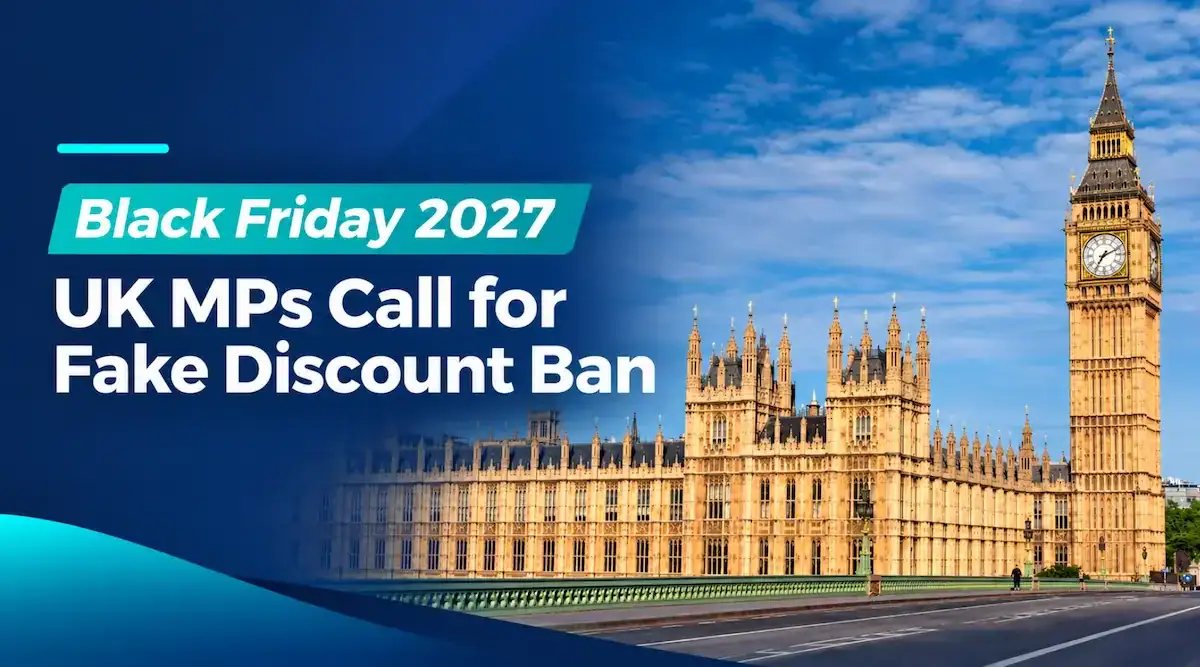
As retailers compete for consumer spending on Black Friday, UK lawmakers are calling for tighter restrictions on misleading discounts and stronger enforcement of consumer protection rules. The Business, Innovation, Science and Trade (BIST) Committee published its Consumer Protection: Black Friday report on November 27, 2026, recommending that fake discounts be explicitly prohibited ahead of next year’s shopping event.
The report cites research estimating that misleading pricing caused £10.6 billion in consumer harm in the 12 months to May 2024. For affiliate networks, coupon publishers, cashback platforms, and price comparison websites, the recommendations raise important questions about how promotional claims are verified and communicated throughout the customer journey.
Key Takeaways From the UK’s Black Friday Consumer Protection Report
- UK MPs have called for an explicit ban on fake discounts before Black Friday 2027.
- Misleading pricing caused an estimated £10.6 billion in consumer harm in the year to May 2024.
- Research cited by the committee found that only one in five Black Friday 2025 discounts examined were genuine.
- The committee wants stronger enforcement from the Competition and Markets Authority and greater protection across payment methods.
- Affiliate businesses may need to review how they verify promotional prices and advertiser-supplied claims.
- The recommendations have not yet become law.
Misleading Discounts Raise Questions About Promotional Transparency
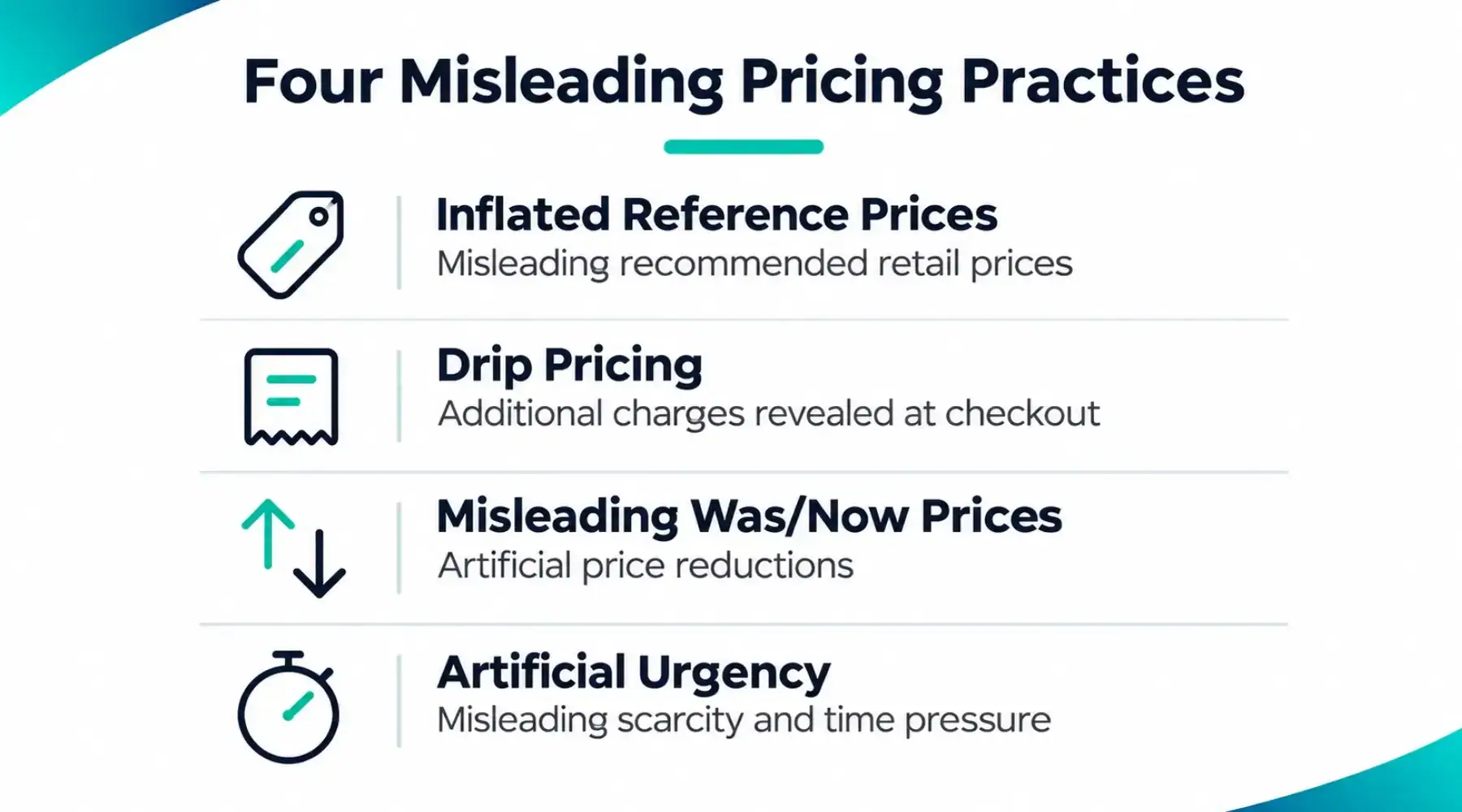
The parliamentary report examines four recurring practices that can distort consumers’ understanding of promotional offers. These include inflated recommended retail prices (RRPs), additional charges revealed during checkout, misleading comparisons between previous and current prices, and sales tactics that create artificial urgency.
Research cited in the report found that all 175 products examined during Black Friday 2024 had been available at the same price or lower at another time.
For affiliate publishers, this presents a challenge that extends beyond whether a coupon code works. An advertised saving can be technically accurate against a retailer’s stated reference price while still creating a misleading impression of the product’s usual cost. Price comparison websites and editorial publishers are particularly exposed to this issue because their commercial proposition depends heavily on helping consumers identify genuine value.
Parliament Proposes a Five-Point Consumer Protection Plan
The committee has outlined five proposed reforms to improve consumer protection before Black Friday 2027.
- Add misleading discounts and false reference prices to the practices explicitly prohibited under consumer protection legislation.
- Strengthen enforcement and increase penalties through the Competition and Markets Authority (CMA).
- Consider extending additional enforcement powers to local Trading Standards authorities.
- Establish a coordinated government consumer protection plan within six months.
- Introduce minimum consumer protections across different payment methods.
The committee reported that the CMA opened investigations into 20 businesses and issued £12 million in fines during the 18 months after introducing its new enforcement powers.
Liam Byrne, Chair of the BIST Committee, said:
We need to make breaking the rules a much more expensive business.
The proposals would build on existing requirements under the Digital Markets, Competition and Consumers Act 2024 (DMCC Act), rather than introduce consumer protection obligations for the first time.
What Stronger Discount Rules Could Mean for Affiliate Marketing
Affiliate publishers frequently receive promotional information directly from advertisers through product feeds, network dashboards, campaign briefs, and automated integrations. While these systems let publishers distribute offers at scale, they can also amplify inaccurate information when reference prices, expiration dates, or eligibility conditions are wrong.
A misleading discount supplied by one advertiser could appear across multiple coupon websites, shopping extensions, newsletters, and creator campaigns within hours. Affiliate managers should therefore consider whether their existing approval and monitoring processes provide sufficient evidence to support the promotional claims distributed through their programs.
Our Black Friday affiliate marketing strategy highlights the importance of coordinating promotional offers, publisher agreements, and campaign preparation. The parliamentary report adds another consideration to that planning process — the accuracy of the savings communicated to consumers. Maintaining reliable price histories, updating expired offers, and establishing clear procedures for correcting inaccurate claims could help reduce compliance and reputational risks.
Consumer Trust Remains Central to Cashback and Comparison Platforms
The value of cashback and comparison platforms depends partly on consumers trusting the information presented during their purchasing decisions. Our recent coverage of the TopCashback State of Cashback 2026 report found that 87% of surveyed UK cashback users engaged with offers during product research, retailer comparison, or purchase completion.
This means inaccurate promotional information can influence consumers well before they reach an advertiser’s checkout. The parliamentary report also examines fraudulent reviews and unsafe products sold through online marketplaces, extending the discussion beyond pricing transparency.
As we previously reported in our coverage of the UK crackdown on hidden fees and fake reviews, consumer protection provisions covering these practices already took effect in April 2025.
Preparing Affiliate Programs for Black Friday 2027
Although the committee’s recommendations are not yet legally binding, affiliate businesses can use the coming year to assess their promotional compliance processes. For advertisers, this means ensuring publishers receive accurate and timely pricing information. Networks can review their monitoring procedures, while publishers can establish stronger verification processes for savings claims and product recommendations.
The proposed reforms could also encourage businesses to evaluate seasonal campaign success beyond clicks, conversions, and revenue, incorporating promotional accuracy and consumer trust into their performance assessments. Whether the government implements the recommendations before Black Friday 2027 remains uncertain. In the meantime, existing consumer protection requirements continue to apply.
Everflow
Connect
Tradedoubler
Connect
1win Partners
Connect
Shopnomix, a Nomix Group Company
Connect
Huffson Group
Connect
Kawaii Partners
Connect
Trackdesk
Connect
Share your expertise and expand your reach and become a content contributor with us today!
Contact Us To Find Out More