TikTok Is Now a Search Engine. Here Is What That Means for Your Affiliate Program
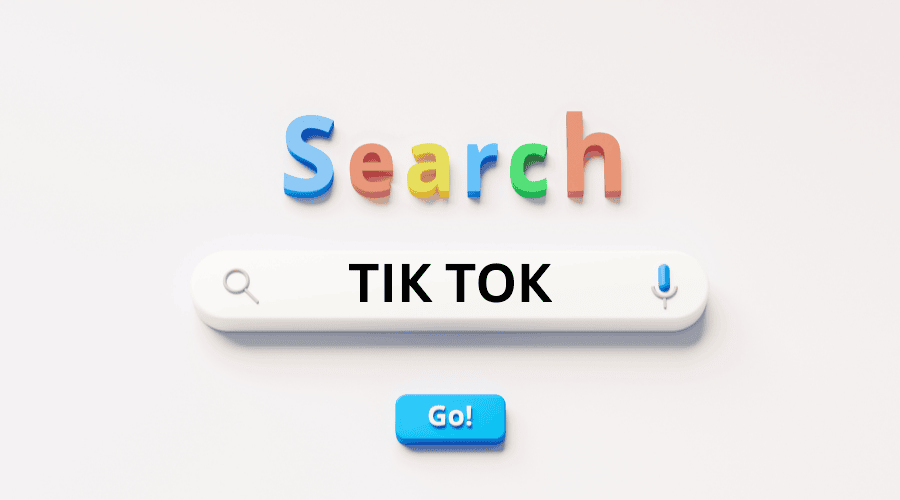
The notion that search begins and ends with Google is being challenged at scale. Consumer behaviour data now points to a platform built on dance trends and viral humour as a genuine search destination, and the implications for affiliate program managers run deeper than most have yet acknowledged.
According to research conducted by Adobe Express, more than two in five Americans have used TikTok as a search engine. Among Gen Z specifically, that figure climbs to 64%, and nearly one in ten of those younger users say they actively prefer TikTok over traditional search engines like Google for finding information. This is not a youth culture curiosity. It is a structural shift in how consumers discover products, evaluate options, and make purchase decisions. For affiliate managers who have built programs around Google-optimised content and traditional publisher relationships, it demands a recalibration.
Why TikTok Works as a Search Engine
Understanding why users search on TikTok is as important as understanding that they do. The Adobe Express research, found that 62% of TikTok users prefer video tutorials above other content formats, followed by product and service reviews at 39% and personal stories at 38%. Users rated TikTok highly for expertise and lived experience, not just entertainment. The platform delivers short, informative video with personalised content tailored to the viewer, and that combination is proving more compelling to many searchers than a list of blue links.
For affiliate programs, this matters because the content that drives TikTok search traffic is precisely the content that affiliate creators already produce: honest product reviews, how-to tutorials, and authentic first-person recommendations. The search intent is present. The creator infrastructure is maturing. The gap that remains is whether affiliate managers are structuring their creator partnerships to capture it.
The B2B Angle Most Affiliate Managers Are Missing
The conversation around TikTok and affiliate marketing has, understandably, centred on consumer product categories. Beauty, fashion, food, and lifestyle content have driven TikTok’s commerce evolution. But there is a parallel story developing in B2B that deserves equal attention.
The data shows that more than half of business owners surveyed (54%) had already used TikTok to promote their businesses, posting an average of nine times per month. One in four small business owners reported using TikTok influencers for product sales or promotions. These are business decision-makers actively participating in a channel that many enterprise affiliate programs still treat as outside their remit.
The buying journey in B2B has always relied on peer validation and trusted demonstration. A software buyer researching project management tools, payroll platforms, or CRM systems is now just as likely to search TikTok for a 90-second product walkthrough as they are to read a comparison blog post. The short-form product demo has become a genuine evaluation touchpoint in the B2B sales cycle.
This aligns with what we have been tracking in the rise of B2B affiliate marketing and the recognition that influencer-driven content is increasingly shaping B2B purchase decisions. SaaS brands like HubSpot, Notion, and ClickUp have built affiliate and referral programs that reward partners across the full acquisition funnel. The TikTok search behaviour shift is now extending that funnel into short-form video territory.
The implication for B2B affiliate managers is concrete: niche creators with demonstrable product expertise are becoming discovery assets, not just awareness tools. A creator who publishes a genuine product walkthrough of your SaaS platform, optimised for TikTok search, can now appear in front of a qualified buyer actively looking for a solution. That is a very different value proposition to traditional affiliate content, and the commission structures, creative briefs, and partnership terms need to reflect it.
In our analysis of B2B affiliate marketing strategies for global growth, the most effective B2B programs are already moving toward content-driven affiliates who act as trusted voices rather than promotional channels to push consumers through the buyer awareness journey.
What This Means for Creator Partnership Strategy
The research also reveals something instructive about how businesses are investing in TikTok content. The most common content type among business owners was creative tangential content related to their product (43%), followed by product or service reviews (36%) and video tutorials (35%). That order reflects a gap in strategic intent: the content most likely to capture search intent on TikTok is tutorial and review content, yet the majority of business investment is going into brand-adjacent creative.
For affiliate managers briefing new content creators, this represents an opportunity to course-correct. Creators who receive clear briefs around search-optimised product tutorials, genuine comparison content, and specific use-case demonstrations will produce material that surfaces in TikTok search results and drives attributable conversions.
This connects directly to the professional maturation of the TikTok creator ecosystem, with the platform’s Creator Academy training creators specifically on commerce integration, affiliate product tagging, and performance analytics. The creators entering your partnership roster today are more commercially sophisticated than their predecessors. Meeting them with stronger briefs and clearer performance expectations is the appropriate response.
It is also worth examining the attribution question.
TikTok’s search-driven discovery creates an influence touchpoint that often sits well upstream of the eventual conversion. A buyer who finds your product through a TikTok search may convert days later through a Google click or a direct visit. Understanding how TikTok fits into the multi-touch attribution picture is now a practical program management question, not a theoretical one. The expansion of TikTok’s affiliate features, including native product linking and integrated performance tracking, is making that attribution progressively more measurable.
_________________________________________________________________________________________
Three Actionable Takeaways for Affiliate Managers
1. Audit your creator mix for search intent alignment.
Review the content your current TikTok creator partners are producing. Is it tutorial-led, review-based, and specific enough to surface for category or product searches? If briefs have been geared toward brand awareness rather than discovery, the content is likely missing a significant portion of available intent. Revise your creative guidelines to prioritise searchability alongside engagement.
2. Develop a B2B TikTok creator tier.
If you manage a SaaS, fintech, or professional services affiliate program, identify niche creators who already produce product demonstration or software review content on TikTok. These creators carry search authority in your category that generic influencers do not. As we covered in our analysis of B2B affiliate marketing fundamentals, targeting business-focused content creators in relevant verticals is a proven strategy for reaching decision-makers. The TikTok search shift makes it more urgent.
3. Build attribution models that account for TikTok as a discovery channel.
If your current attribution setup does not capture TikTok-originated sessions, you are likely undervaluing creator partners whose content drives awareness upstream of conversion. Work with your tracking infrastructure to implement UTM parameters, post-click landing pages, and view-through windows that reflect the full role TikTok plays in your customer acquisition journey. Platforms designed for sophisticated affiliate link tracking increasingly offer integrations that address exactly this challenge.
The platforms through which consumers search for products are diversifying, and the data behind TikTok’s emergence as a genuine search destination is now substantial enough to warrant operational responses from affiliate managers, not just strategic curiosity. The programs that adapt creator briefs, expand their B2B influencer mix, and address the attribution gap first will have a measurable advantage as this shift accelerates.
_________________________________________________________________________________________
Stay ahead of industry developments through our insights hub at https://www.affiversemedia.com/.

Everflow
Connect
Tradedoubler
Connect
1win Partners
Connect
PIN-UP Partners
Connect
Shopnomix, a Nomix Group Company
Connect
V.Partners
Connect
Huffson Group
Connect
Kawaii Partners
Connect
Share your expertise and expand your reach and become a content contributor with us today!
Contact Us To Find Out More