Shopify vs Wix Affiliate Programs: A 2026 Comparison
Shopify and Wix both allow publishers, creators and educators to earn commissions by referring new paying customers. However, the two affiliate programs now use noticeably different payment models.
Shopify offers a location-based one-time commission for qualified merchants who purchase an eligible store plan at full price. Wix, meanwhile, now promotes recurring commissions for users who convert to a Premium subscription. Both programs are managed through Impact, although Wix publishes considerably less information about its commission rates, tracking rules and payment terms.
This comparison looks at the current publicly available information to help affiliates understand how the Shopify and Wix affiliate programs differ.
Shopify vs Wix Affiliate Programs at a Glance
| Feature | Shopify Program | Wix Program |
|---|---|---|
| Affiliate platform | Impact | Impact |
| Commission model | One-time commission | Recurring commission |
| Advertised commission | Up to $150 per qualified referral | Exact public rate not specified |
| Eligible purchases | Basic, Grow and Advanced store plans | Premium subscriptions |
| Initial tracking period | 30 days from affiliate-link click | Not publicly specified |
| Extended conversion period | Up to 125 days from free trial to full-price plan | Not publicly specified |
| Payment methods | Direct deposit or PayPal in most countries | Not publicly specified |
| Minimum withdrawal | $10 | Not publicly specified |
| Application cost | Free | No application fee stated |
| Best suited to | Ecommerce and entrepreneurship audiences | Broader website-building and small-business audiences |
Shopify publishes a detailed breakdown of its commissions, eligible plans, tracking process and payment schedule. Wix confirms that affiliates can earn recurring commissions, but the exact rates and conditions appear to be provided through its Impact application or affiliate agreement rather than on its public landing page.
Market Overview: Understanding What You’re Promoting
Before diving into the specifics of each affiliate program, let’s understand the core products and their market positions.
Wix: The Website Building Giant
Wix has established itself as one of the leading platforms in the website-building space. Founded in 2006 by Avishai Abrahami, Nadav Abrahami, and Giora Kaplan, Wix was created after the founders experienced firsthand how challenging and expensive website creation could be.
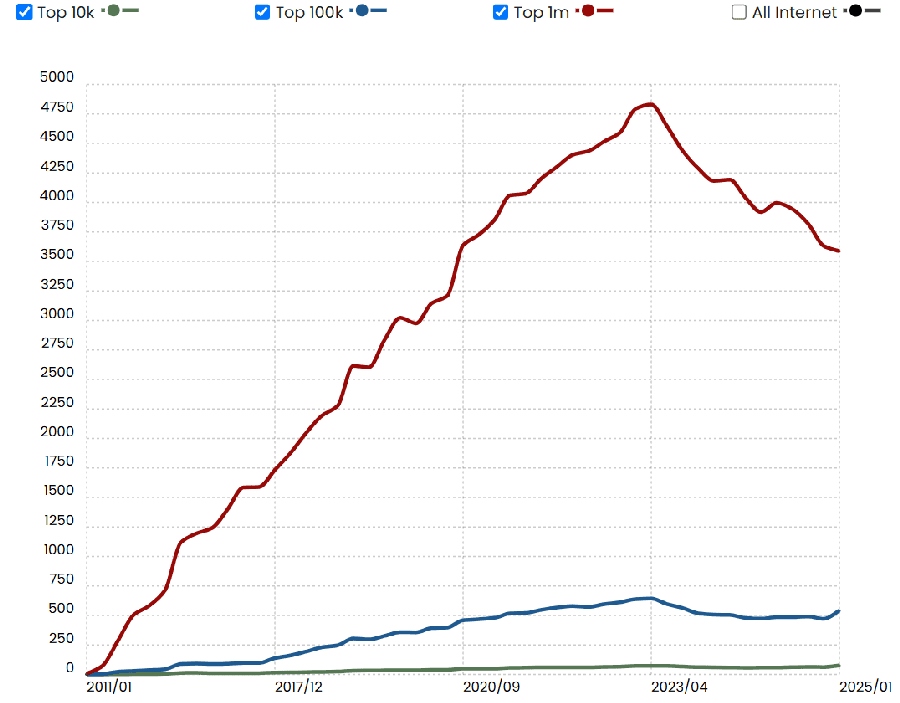
Fast forward to today, and Wix has grown to more than 300 million users worldwide. The platform remains one of the most widely used website-building solutions, competing with platforms including Squarespace, Webflow and GoDaddy Website Builder.
According to Custom Market Insights, the global website builder software market is estimated at $2.9 billion in 2026 and projected to reach approximately $5.5 billion by 2035, highlighting the continued growth of the sector.
Shopify: The E-commerce Powerhouse
Shopify, also launched in 2006, has grown into one of the world’s leading e-commerce platforms. It provides individuals, small businesses, and large corporations with the tools they need to sell products online and in physical locations.
Millions of businesses across more than 175 countries use Shopify, with merchants generating approximately $1.6 trillion in cumulative gross merchandise volume through the platform. In its most recent full financial year, Shopify reported revenue of $11.6 billion.
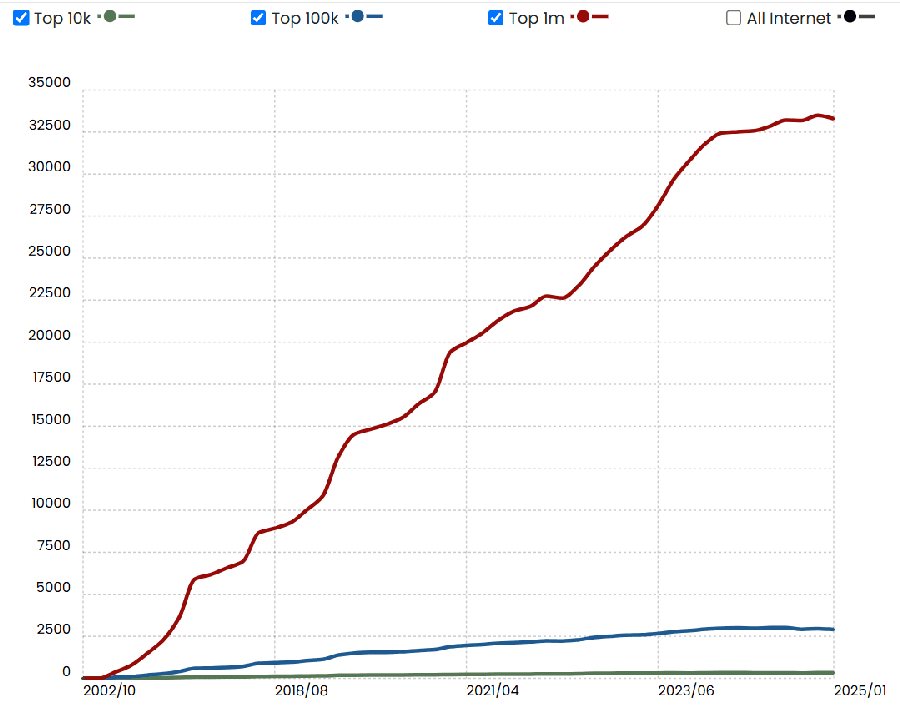
According to BuiltWith, approximately seven million live websites currently use Shopify. Around 64,000 of these are ranked among the internet’s top one million sites by traffic, demonstrating Shopify’s significant presence across both smaller online stores and higher-traffic ecommerce websites.
Target Audience Comparison
Understanding the target audience for each platform is crucial when deciding which affiliate program to join:
- Wix appeals to a broader audience, including bloggers, small business owners, artists, photographers, and anyone looking to establish an online presence without technical expertise.
- Shopify caters specifically to those looking to sell products online – from small startup entrepreneurs to established e-commerce businesses seeking a robust platform.
Affiliate Program Comparison: The Essentials
Now, let’s dive into the specific details of each affiliate program to understand how they stack up against each other.
Application Process
Wix Affiliate Program:
- Open to different types of creators who want to promote Wix
- Applications are submitted through Impact via Wix’s affiliate landing page
- Applicants must be approved before receiving their unique affiliate link
- Successful applicants receive access to a dedicated affiliate platform where they can track their performance and payments
- Wix does not publicly state a specific application review timeframe or detailed minimum audience requirements
Wix now describes its affiliate program as being available to all types of creators, rather than specifically targeting website owners capable of generating high traffic. Its public page directs applicants to Impact and describes the process as applying, receiving approval and then accessing an affiliate link.
Shopify Affiliate Program:
- Managed through the Impact affiliate network
- Stricter requirements, including:
- An active website
- An established and relevant audience
- Original content such as blog posts, videos, guides or online courses
- Experience with Shopify, ecommerce, commerce or entrepreneurship
- Applications are submitted through Impact and reviewed by Shopify
- Applications are reviewed by Shopify, with successful applicants notified by email
- No feedback is provided for rejected applications
Shopify continues to review every application and states that approved applicants will receive an email explaining the next steps.
Winner: Wix appears to have a more accessible application process, with fewer eligibility requirements stated publicly. Shopify provides clearer criteria but is more specifically aimed at established creators and publishers with a relevant audience.
Commission Structure
Wix Affiliate Program:
- Recurring commissions for every new user who enters through an affiliate link and converts to a Wix Premium subscription
- Commission rates may vary depending on the referred customer’s location
- Wix does not publicly disclose the exact commission rate or how long recurring payments continue
- The current public affiliate page does not state a minimum monthly sales target for receiving payment
Shopify Affiliate Program:
- One-time commission of up to $150 for each qualified referral
- Commission amounts are determined by the referred merchant’s location
- Referrals from most listed regions earn $150, while referrals from all other countries earn $25
- The same commission applies whether the customer chooses an eligible Basic, Grow or Advanced plan
- No commission is paid for Shopify Plus, Enterprise or Retail plan referrals
- Commission is earned only when the referred merchant pays for an eligible plan at full price after completing any trial period
Winner: Shopify provides greater transparency and a clearly stated one-time payment of up to $150 per qualified referral. Wix offers the potential advantage of recurring commissions, but its exact rates and payment duration are not publicly disclosed, making a direct earnings comparison difficult.
Cookie Duration
Wix Affiliate Program:
- Customers must enter Wix through the affiliate’s unique tracking link and convert to a Premium subscription
- Wix does not publicly disclose its current cookie duration or attribution model
- Affiliates should check the terms provided through Impact for the latest tracking conditions
Shopify Affiliate Program:
- 30-day tracking window between the affiliate-link click and the customer starting a free trial
- Last-click attribution model, meaning the most recent Shopify affiliate link clicked before the free-trial registration receives credit
- Once the free trial is recorded, the customer has up to 125 days to convert to an eligible full-price plan
- No commission is awarded if the free trial is not recorded within 30 days of the affiliate-link click
Winner: Shopify provides greater transparency around its tracking and attribution rules. A direct comparison is not currently possible because Wix does not publicly disclose its cookie duration or attribution model.
Payment Methods & Terms
Wix Affiliate Program:
- Payments are managed through Wix’s dedicated affiliate platform
- Affiliates can track their performance and receive recurring payouts through the platform
- Wix does not currently disclose its available payment methods publicly
- The current affiliate page does not state a minimum payout threshold, payment schedule or manual invoicing requirement
- Affiliates should review the payment terms provided through Impact after applying
Shopify Affiliate Program:
- Payments are managed through Impact
- Direct deposit to a bank account and PayPal are supported in most countries
- Minimum withdrawal balance of $10
- Affiliates can choose to withdraw when their balance reaches a selected amount or receive payments on a biweekly basis
- Qualifying commission actions lock on the 21st for the previous month, with payment processed to the affiliate’s Impact balance on the 22nd
- Impact Support handles account and platform issues, while Shopify Affiliate Support handles general programme and referral enquiries
Winner: Shopify offers greater payment transparency, with bank transfers and PayPal available in most countries, a low $10 withdrawal threshold and flexible withdrawal settings. A direct comparison of payout speed is difficult because Wix does not publicly disclose its current payment methods or schedule.
Pros and Cons Analysis
Both affiliate programs offer strong earning potential, but their commission models, eligibility requirements and level of transparency differ. The tables below summarise the main advantages and limitations of each option.
Wix Affiliate Program
Wix offers broad audience appeal and the potential for recurring commissions. However, several important details, including commission rates, tracking rules and payment terms, are not publicly disclosed.
| Pros | Cons |
|---|---|
| Widely recognized website-building platform that appeals to a broad audience | Exact commission rates are not publicly disclosed |
| Recurring commissions when referred users convert to Wix Premium subscriptions | Wix does not publicly explain how long recurring commissions continue |
| Dedicated affiliate platform for tracking performance and receiving payments | Current cookie duration and attribution rules are not stated on the main affiliate page |
| Affiliates can promote Wix through SEO, blogs, videos, courses, newsletters, social media and paid campaigns | Payment methods, payout thresholds and payment schedules are not publicly specified |
| Available to audiences worldwide, with Wix supporting users across different countries and languages | Commission rates may vary according to the referred customer’s location |
Shopify Affiliate Program
Shopify provides clearer information about commissions, tracking and payments, making the program easier to evaluate before applying. Its main limitations are stricter entry requirements and a one-time, location-based commission model.
| Pros | Cons |
|---|---|
| Well-established ecommerce solution with strong brand recognition | More stringent application requirements, including an active website, established audience and relevant original content |
| One-time commission of up to $150 per qualified referral | One-time commission rather than recurring payments |
| Eligible plans cater to businesses at different stages of growth | Commission amounts vary according to the referred merchant’s location |
| Impact provides tracking, real-time reporting and affiliate performance data | The same commission applies across eligible Basic, Grow and Advanced plans |
| Free and introductory paid trials allow referred merchants to explore Shopify before moving to a full-price plan | Shopify Plus, Enterprise and Retail plan referrals are not eligible for standard affiliate commissions |
| Direct deposit and PayPal are available in most countries | No commission is earned unless the referred merchant pays for an eligible plan at full price |
| Low minimum withdrawal threshold of $10 | — |
Which Program Is Right For You?
Choosing between the Wix and Shopify affiliate programs ultimately depends on your audience, expertise, and marketing goals. Here’s how to decide:
Choose Wix If:
- Your audience is broader – If you cater to a general audience interested in creating websites for various purposes, rather than only selling products, Wix offers wider appeal.
- You value recurring commissions – Wix advertises recurring payouts when referred users convert to Premium subscriptions, although the exact rates and payment duration are not publicly disclosed.
- You create content about website building – If your content focuses on helping people create professional websites without extensive technical knowledge, Wix may align well with your audience.
- You use a range of promotional channels – Wix allows affiliates to promote the platform through websites, social media, SEO, courses, newsletters and paid campaigns.
Choose Shopify If:
- Your audience is entrepreneurial – If your followers are interested in starting online businesses or already run ecommerce operations, Shopify is the natural fit.
- You have ecommerce expertise – Personal experience with ecommerce platforms can help you create more relevant and compelling content.
- You’re willing to invest in quality content – Shopify prioritizes applicants with an active website, established audience and original content focused on commerce or entrepreneurship.
- You prefer transparent affiliate terms – Shopify publicly explains its location-based commissions, eligible plans, tracking rules, payment methods, and withdrawal threshold.
- You work directly with ecommerce clients – Agencies, developers and consultants may also consider the separate Shopify Partner Program, which has different requirements and earning opportunities. Shopify specifically distinguishes the Affiliate Program from the Partner Program.
Maximising Your Success With Either Program
Regardless of which affiliate program you choose, here are some strategies to maximise your success:
Content Strategy
For Wix:
- Create detailed tutorials on building specific types of websites
- Develop comparisons between Wix and competitors
- Showcase impressive Wix website examples
- Create “how to start a blog, portfolio or business website” guides
For Shopify:
- Develop comprehensive guides on starting an online store
- Create content around ecommerce strategies and best practices
- Compare Shopify with other ecommerce platforms
- Share success stories of Shopify entrepreneurs
Conversion Optimisation
- Use targeted pre-selling – Address the problems your audience experiences with website building or ecommerce before introducing the solution.
- Highlight low-risk entry options – Wix allows users to create a website through its free plan, while Shopify offers a short free trial followed by introductory pricing in eligible markets.
- Create demonstration content – Show the platforms in action through videos, screenshots or detailed walkthroughs.
- Address objections – Research common hesitations about each platform and address them proactively in your content.
- Highlight value, not only price – Focus on the potential value and suitability of each platform rather than simply comparing subscription costs.
- Keep promotional details current – Pricing, trials and introductory offers can change, so verify any claims before publishing or updating your content.
- Disclose affiliate relationships – Clearly explain when your content contains affiliate links and when you may receive a commission from a referral.
Wix vs Shopify Affiliate Programs: Which Is Better?
Both Wix and Shopify represent valuable opportunities for affiliate marketers, but they serve different niches and use different commission models.
- Wix is well suited to publishers reaching a broad audience interested in creating websites for purposes including blogging, portfolios, service businesses and ecommerce. Its recurring commission model may also appeal to affiliates focused on generating longer-term revenue from each referral, although its exact rates and terms are not publicly disclosed.
- Shopify is likely to suit marketers who can effectively reach and convert entrepreneurial audiences interested specifically in ecommerce. Its affiliate programme offers clearer public terms and a one-time commission of up to $150 per qualified referral, depending on the merchant’s location.
For maximum results, consider your audience’s needs and interests, your own expertise, and which platform naturally aligns with your existing content strategy. Some affiliate marketers may even benefit from promoting both platforms to different segments of their audience.
Whatever you choose, success with either program ultimately depends on creating high-quality, helpful content that addresses your audience’s specific needs and demonstrates the value of the platform you’re promoting.
How to Start Promoting Wix or Shopify as an Affiliate
If you’re ready to dive into affiliate marketing with either Wix or Shopify, your first step should be creating a high-quality website that will attract the right audience and build trust with potential customers.
Not sure how to get started building a successful affiliate website? Check out our comprehensive guides on affiliate marketing strategies, content creation, and SEO optimisation to maximise your chances of success.
Everflow
Connect
Tradedoubler
Connect
1win Partners
Connect
PIN-UP Partners
Connect
Shopnomix, a Nomix Group Company
Connect
V.Partners
Connect
Huffson Group
Connect
Kawaii Partners
Connect
Share your expertise and expand your reach and become a content contributor with us today!
Contact Us To Find Out More