Google Brings Tag Manager Features to Existing Google Tag Setups
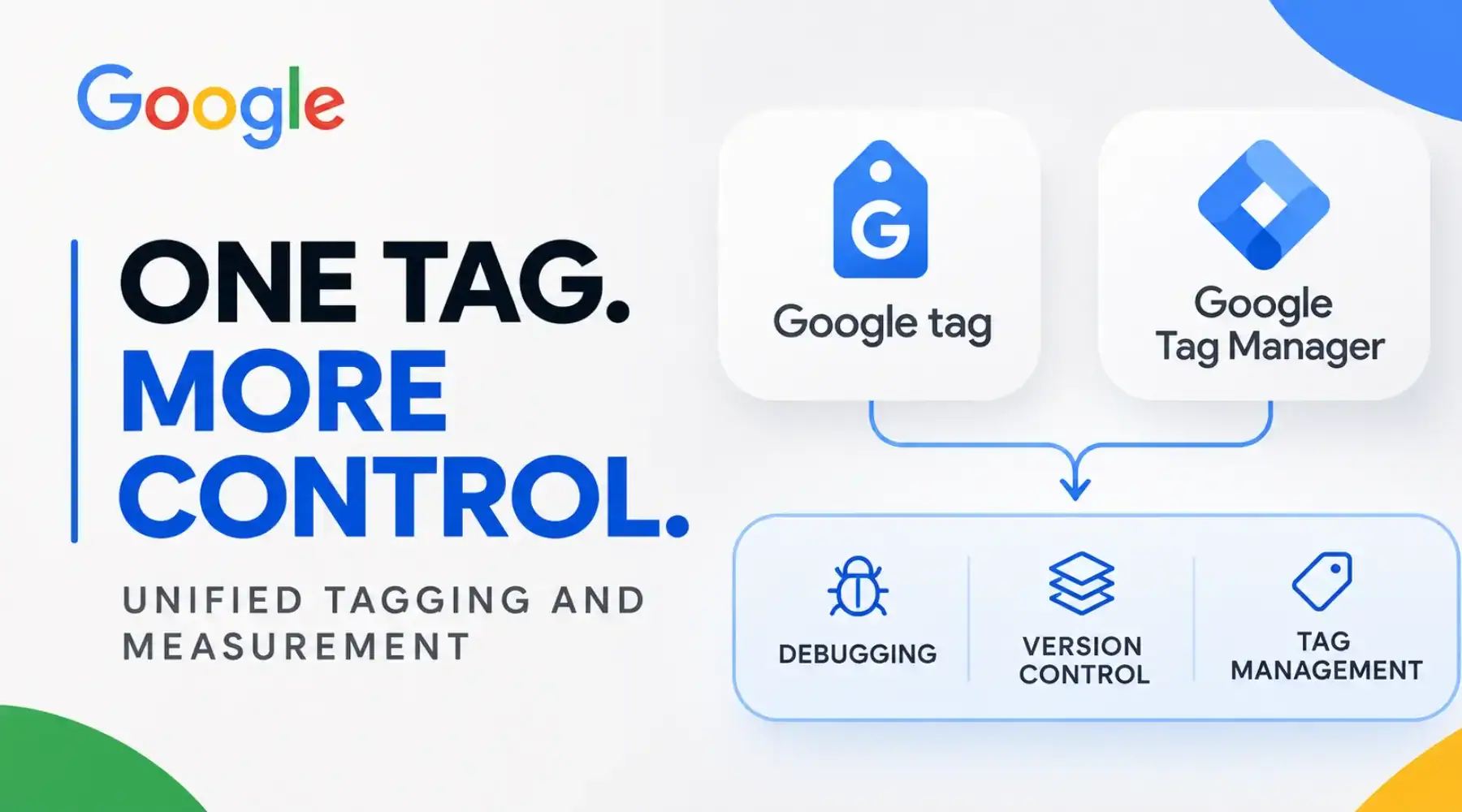
Google updated its Tag Manager release notes on November 17, 2026, detailing the unification of Google Tag and Google Tag Manager. Under the changes, each Google tag becomes a Tag Manager container, giving websites access to interface-based tagging, debugging, and version control. The update expands the tools available to advertisers, publishers, and marketing teams managing website measurement across Google’s products.
Key Takeaways From Google’s Tag Manager Update
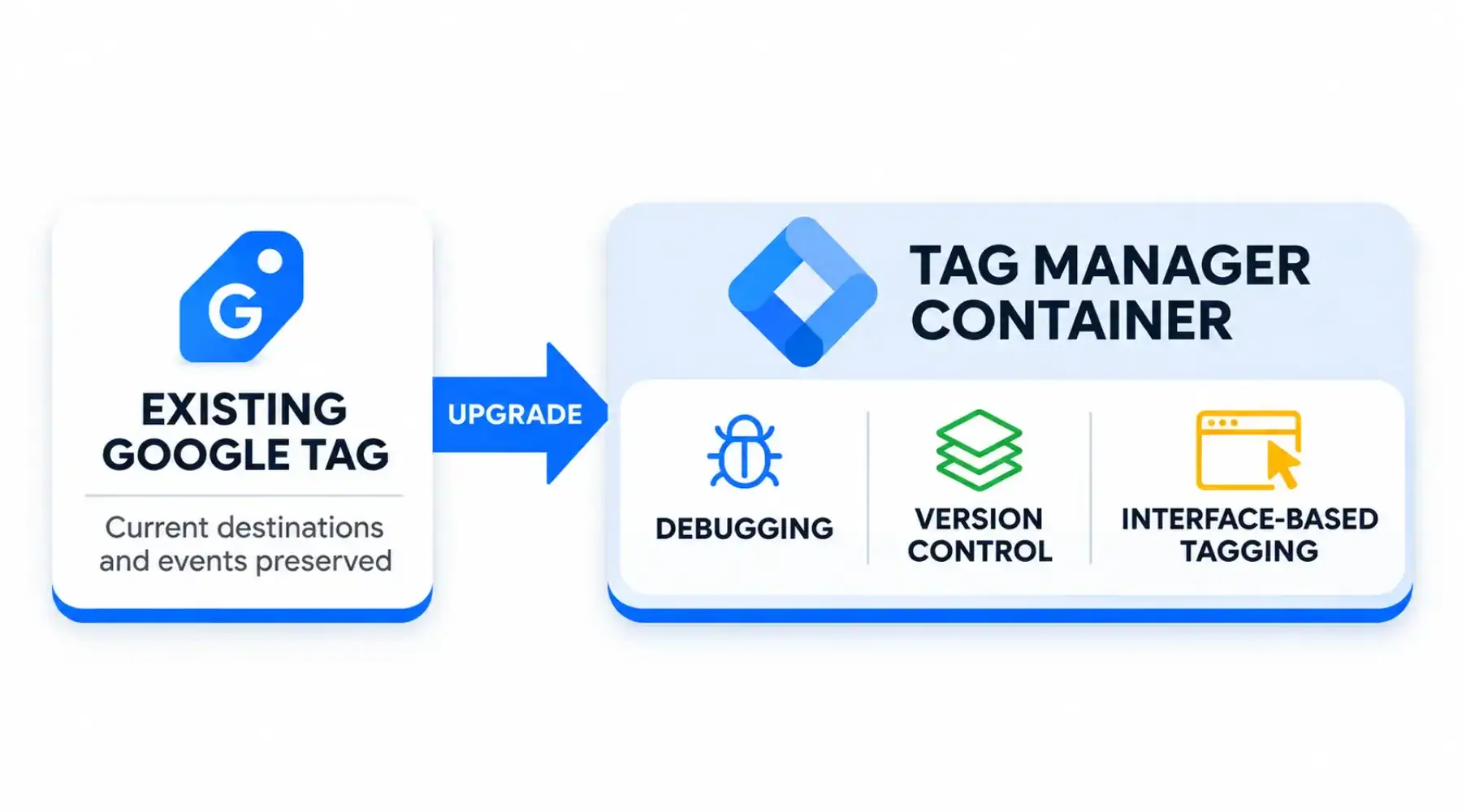
- Google tags are being upgraded to Tag Manager containers, providing access to debugging, version control, and interface-based tag management.
- Existing Google tag behavior on webpages will remain unchanged, with current Google destinations and event triggers preserved.
- New deployment snippets will use a standardized configuration, while Tag Manager permissions will also govern access to Tag Assistant data.
- Websites using unsupported tag installations will receive the upgrade in January 2027 and should review their setup beforehand.
How Google Tag and Tag Manager Are Being Unified
Google first outlined the unification in August 2026, with the November 17 release notes providing further implementation details. Previously, websites could install the Google tag to send measurement data to services such as Google Analytics and Google Ads without using the full Tag Manager interface. Under the updated system, these tags gain access to Tag Manager’s container-based capabilities. The change lets teams configure tags through an interface, test implementations with debugging tools, and maintain version histories of their changes.
Google says the upgrade will not alter how existing tags behave on webpages. Each Google destination retains its associated tag, preserving established configurations and automated event triggers. For marketers already using Tag Manager, the change brings standalone Google tag setups into a more consistent management environment. The development follows other measurement updates, including Google Site Kit’s Site Goals reporting, which was previously covered as part of efforts to make website conversion data more accessible.
What Changes for Tag Configuration and Permissions?
One technical change concerns how new tagging snippets are deployed. Google says new deployment snippets will follow the same structure and will no longer include the gtag(‘config’) command. Instead, the company recommends using standard Tag Manager initialization triggers to configure how tags start operating.
An initialization trigger can also be configured to wait for the existing gtag(‘config’) command where legacy behavior needs to be preserved. The update also standardizes access permissions. Tag Manager’s container permission settings will determine which users can access measurement data through Google Tag Assistant. For agencies and performance marketing teams managing multiple accounts, this creates a more consistent way to control who can inspect, configure, and troubleshoot Google tags.
Which Websites Need to Prepare for January 2027?
Although supported Google tag installations retain their existing webpage behavior, some implementations require attention. Google has confirmed that websites using unsupported installations will receive the upgrade in January 2027. One affected configuration involves using a Google Tag Manager (gtm.js) snippet with an identifier intended for a standalone Google tag, such as an ID beginning with G-, AW-, or DC.
According to Google’s installation guidance, these implementations should be corrected to use the appropriate Google tag or Tag Manager deployment method. Google advises affected website owners to check their installation, update unsupported code, and verify that measurement requests continue to work as intended. Teams using Tag Manager for additional third-party tags or custom configurations should retain their main Tag Manager implementation where required. The January deadline therefore matters primarily to websites with unsupported configurations, rather than representing a mandatory manual migration for every Google tag user.
What the Update Means for Affiliate Tracking
The unification could simplify how affiliate publishers, advertisers, and agencies maintain the Google measurement tools used on their websites. Teams managing Google Analytics events, Google Ads conversions, and campaign performance can benefit from more consistent debugging, configuration management, and access controls.
However, the change does not automatically improve affiliate attribution or replace network-level tracking systems. Google Analytics and affiliate platforms may apply different attribution rules when assigning credit for sales or leads. We previously covered this distinction when examining CJ’s findings on GA4 affiliate attribution reporting. Affiliate commissions still depend on the tracking arrangements, transaction records, and attribution rules established by individual programs and networks.
As explained in our affiliate data stack guide, website analytics and affiliate transaction reporting serve different purposes within a wider measurement system. The practical priority for affiliate teams is to review existing Google tag installations, check container permissions, and test important conversion events before changing their configurations. For websites using unsupported implementations, completing these checks ahead of January 2027 can help reduce the risk of measurement disruptions during the upgrade.
Everflow
Connect
Tradedoubler
Connect
1win Partners
Connect
Shopnomix, a Nomix Group Company
Connect
Huffson Group
Connect
Kawaii Partners
Connect
Trackdesk
Connect
Share your expertise and expand your reach and become a content contributor with us today!
Contact Us To Find Out More