FTC Examines Whether Ad Platforms Help Impersonation Scams Spread
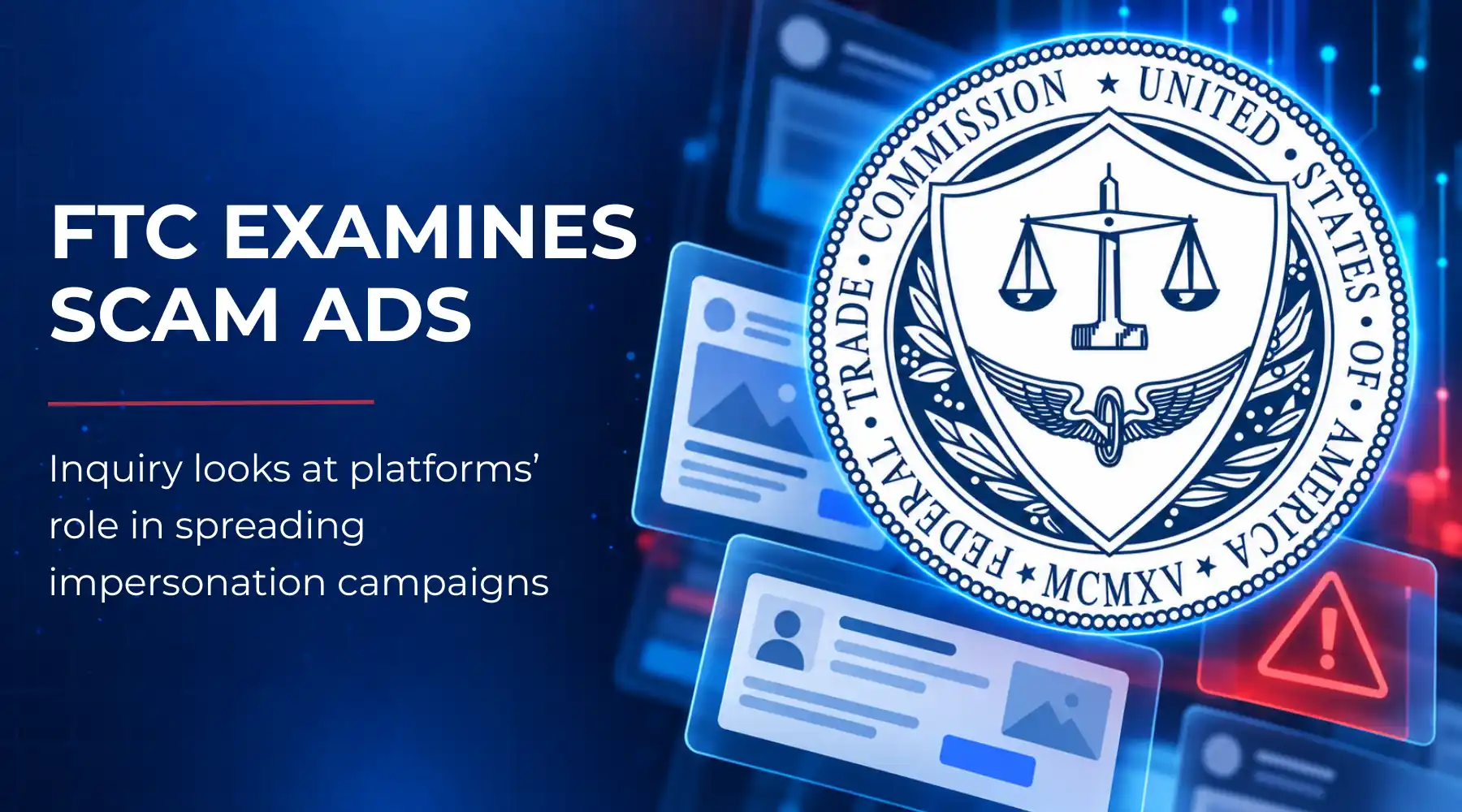
The Federal Trade Commission is examining whether the tools ad platforms use to create, target and distribute campaigns help impersonation scams reach consumers. In a notice issued on 24 September, the US regulator asked for evidence about platform practices and possible ways to address them. It has not proposed a new rule or imposed new obligations on platforms.
Key Takeaways: The FTC’s Platform Inquiry
- The FTC is looking beyond the people placing scam ads to examine the platforms that develop and distribute them.
- Its questions cover advertiser checks, ad monitoring, complaints, removal, and repeat offenders.
- The inquiry focuses on ads impersonating businesses or government agencies. It does not make all brand bidding an impersonation scam.
- The FTC could consider amending its existing rule, developing a separate rule, or taking action without new regulation.
Why the FTC Is Looking at Platforms
The FTC’s Rule on Impersonation of Government and Businesses has been in place since 2024. It prohibits materially posing as a business or government entity or falsely claiming an affiliation with one. According to the FTC, the rule does not expressly address platform conduct that helps such ads spread. An earlier proposal concerning those who provide the means for impersonation was not adopted; the new inquiry is focused more narrowly on digital platforms’ advertising tools.
The scale of the underlying fraud is substantial, though the figures should be read carefully. Consumers filed more than one million imposter-scam reports in 2025 and reported nearly $3.5 billion in losses. Those reports cover scams across several contact methods, not just online ads. Separately, nearly 30% of people who reported losing money to a scam said the contact began on social media, accounting for $2.1 billion across scam types. Neither figure measures losses caused specifically by platform ad optimization.
What Platform Ad Tools Have to Do With It
The advance notice asks how much control platforms exercise over an ad’s content and delivery. Its questions cover tools that generate or modify copy and images, assemble ad combinations, select placements, and use consumer information or search queries to decide who sees an ad. The FTC wants to know whether those services can make an impersonation campaign more effective and what steps platforms already take to prevent misuse.
A recent FTC case shows what a misleading search ad can look like. In August, the agency announced a proposed settlement with bill-payment firm Doxo over allegations that its ads and landing pages made consumers think they were paying their billers directly. That was a case about the advertiser’s conduct; it was not a finding that the search platform had broken the law. The new inquiry asks a different question: when, if ever, should a platform’s own role in developing or distributing an impersonation ad carry responsibility?
What Checks Is the FTC Considering?
The FTC is seeking comment on whether platforms should verify advertisers, examine the websites behind ads, and monitor campaigns after publication. It also asks what should happen when a consumer, competitor, or impersonated business reports a suspicious ad: how quickly should a platform investigate, remove a confirmed scam ad, or stop providing optimization services to it?
Those are questions, not requirements. The notice also raises alternatives, including voluntary industry action. It asks whether protective steps could form a defense for platforms under a future rule and what new checks might cost legitimate advertisers, especially small businesses. The FTC has yet to decide which approach, if any, to pursue.
What Affiliate and Performance Teams Should Watch
For affiliate managers, the practical connection is brand representation in paid campaigns. An approved partner may have permission to bid on a brand term; the concern is whether the ad, account, or landing page falsely appears to be the brand itself. Affiverse’s guide to ad hijacking explains how that distinction can become blurred when a partner copies official ad text or redirects branded traffic through an affiliate link.
Program teams can review which partners may use brand names in ads, where their clicks lead, and how suspected impersonation is reported to each platform. They should also keep records of ads and complaints they raise. Those are useful controls for identifying misleading campaigns; the FTC notice does not create a new affiliate compliance requirement.
The inquiry adds a platform question to a problem Affiverse has also covered from the advertiser side, including Meta’s lawsuits against alleged scam advertisers. The next step is public comment. The FTC says comments will be due 60 days after the notice is published in the Federal Register, so the publication date should be checked before stating a calendar deadline.
Everflow
Connect
Tradedoubler
Connect
1win Partners
Connect
PIN-UP Partners
Connect
Shopnomix, a Nomix Group Company
Connect
V.Partners
Connect
Huffson Group
Connect
Kawaii Partners
Connect
Share your expertise and expand your reach and become a content contributor with us today!
Contact Us To Find Out More