Brands Open Creator Programs to People With as Few as 500 Followers
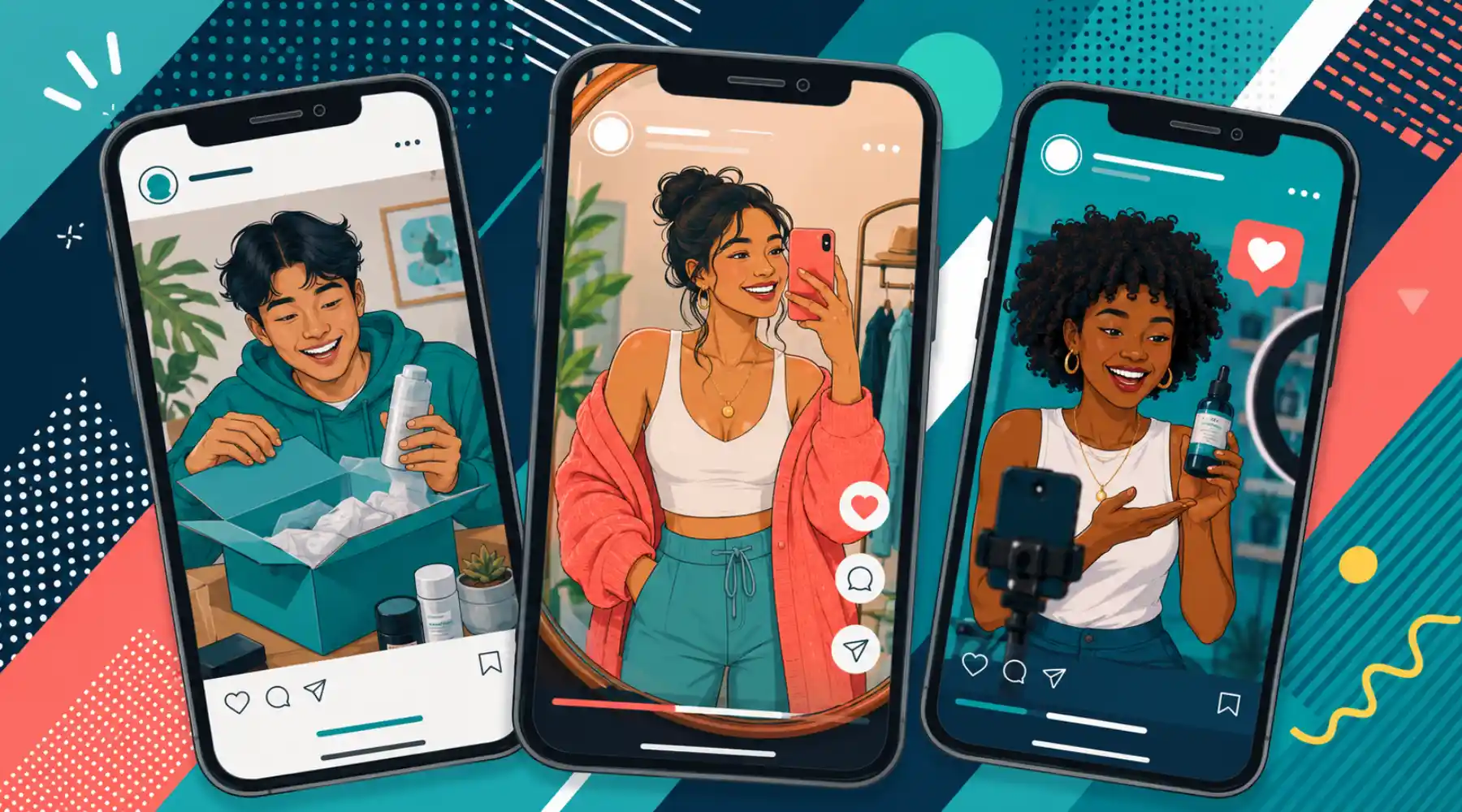
Major brands are expanding their creator programs to include social media users with audiences as small as 500 followers, as recommendation algorithms place greater weight on individual content performance. Target, American Eagle, Little Spoon, and SoulCycle are among the companies recruiting emerging creators and existing customers to produce brand-related social posts.
Participants may receive products, discounts, gift cards, or access to affiliate commissions in return for creating content. The approach gives brands a larger pool of potential partners while allowing customers with relatively small audiences to participate in organized creator campaigns.
Key Takeaways: What the Shift to Nano-Creators Means
- Target accepts creators with as few as 500 followers, while Club Target reportedly has around 15,000 members.
- Creators with fewer than 20,000 followers are expected to attract about 45% of US influencer marketing spending in 2026.
- The share going to creators with fewer than 5,000 followers is forecast to reach 19.9%, up from 3.1% in 2021.
- As brands build larger creator communities, performance teams need to measure affiliate sales, new customers and incremental value rather than follower totals or views alone.
Why Brands Are Recruiting Smaller Creators
Influencer campaigns have traditionally concentrated spending among creators with large, established audiences. However, recommendation-led feeds can now show posts from smaller accounts to users who do not already follow them.
This means follower count is no longer a reliable indication of how far an individual video might travel. Content from a small account can reach a much larger audience when a platform’s systems identify strong engagement or relevance.
According to The Wall Street Journal, around 45% of US influencer marketing spending is expected to go to creators with fewer than 20,000 followers in 2026. The share allocated specifically to creators with fewer than 5,000 followers is forecast to reach 19.9%, compared with 3.1% in 2021.
Brands can also distribute their budgets across a larger group of customers and emerging creators rather than relying on a small number of expensive partnerships. This produces more content formats, perspectives and product demonstrations, although the commercial contribution of each participant may be relatively small.
Target Opens Creator Program to Accounts With 500 Followers
Target introduced Club Target in May as a program for emerging creators and customers who already post about the retailer.
The company describes it as a guided and gamified program in which members complete content challenges and progress through different reward levels. Applicants must have a public Instagram or TikTok account with at least 500 followers. Club Target reportedly has approximately 15,000 members. Participants can initially receive relatively small gift cards for completing challenges, while higher levels may provide access to affiliate links and commissions from referred sales.
The structure creates a path from customer advocacy into performance-based creator marketing. A customer may begin by posting shopping or product content in return for a fixed reward before progressing toward a tracked affiliate relationship. This overlap is becoming more common as brands combine creator content with affiliate-style measurement, bringing creators and affiliates into the same budget conversation.
Where Nano-Creators Fit Into Affiliate Marketing
Nano-creator programs blur the boundaries between influencer marketing, user-generated content, loyalty programs and affiliate marketing. Participants may receive a free product or gift card for creating their first posts. The relationship becomes performance-based when the creator receives a tracked link, product storefront or commission on resulting purchases.
Social platforms are also building more of these mechanics into their own products. Meta’s Facebook Affiliate Partnerships allows eligible creators to tag products inside posts and Reels, while TikTok combines brand partnerships, platform rewards, and commission-based product promotion. Affiverse’s TikTok creator monetization guide explains how those different revenue models increasingly overlap.
For affiliate teams, the value of nano-creators may come from operating a larger network of smaller partners capable of producing content for different products, communities, and social formats. However, follower count should not simply be replaced with views as the main success metric. Brands still need to assess clicks, assisted conversions, new customers, content quality, and incremental sales. Managing thousands of smaller creators may also increase the work required for recruitment, content reviews, attribution, communication, and payments.
Disclosure Requirements Still Apply
Smaller audiences and non-cash rewards do not remove the need for advertising disclosures.
The US Federal Trade Commission states that creators should disclose material relationships with brands, including payments, free products, discounts, and other incentives that may affect how audiences interpret an endorsement.
Brands therefore need clear processes that help emerging creators understand when and how to disclose a commercial relationship. This is particularly important when programs recruit customers with little previous experience producing sponsored content.
Affiverse Take: Influence Is Becoming More Distributed
The growth of nano-creator programs does not mean established influencers have lost their value. Larger creators can still provide scale, production experience, and access to defined communities.
What is changing is the number of people who can participate in creator marketing. Algorithm-led discovery allows brands to identify effective content outside the accounts with the largest follower totals.
For affiliate and performance teams, the challenge is turning that wider participation into a measurable partner channel. Programs that connect creator content with reliable tracking, transparent rewards, and clear compliance standards will be better placed to determine whether smaller creators can produce meaningful results at scale.
Everflow
Connect
Tradedoubler
Connect
1win Partners
Connect
PIN-UP Partners
Connect
Shopnomix, a Nomix Group Company
Connect
V.Partners
Connect
Huffson Group
Connect
Kawaii Partners
Connect
Share your expertise and expand your reach and become a content contributor with us today!
Contact Us To Find Out More