Google’s September 2026 Spam Update Begins Rolling Out
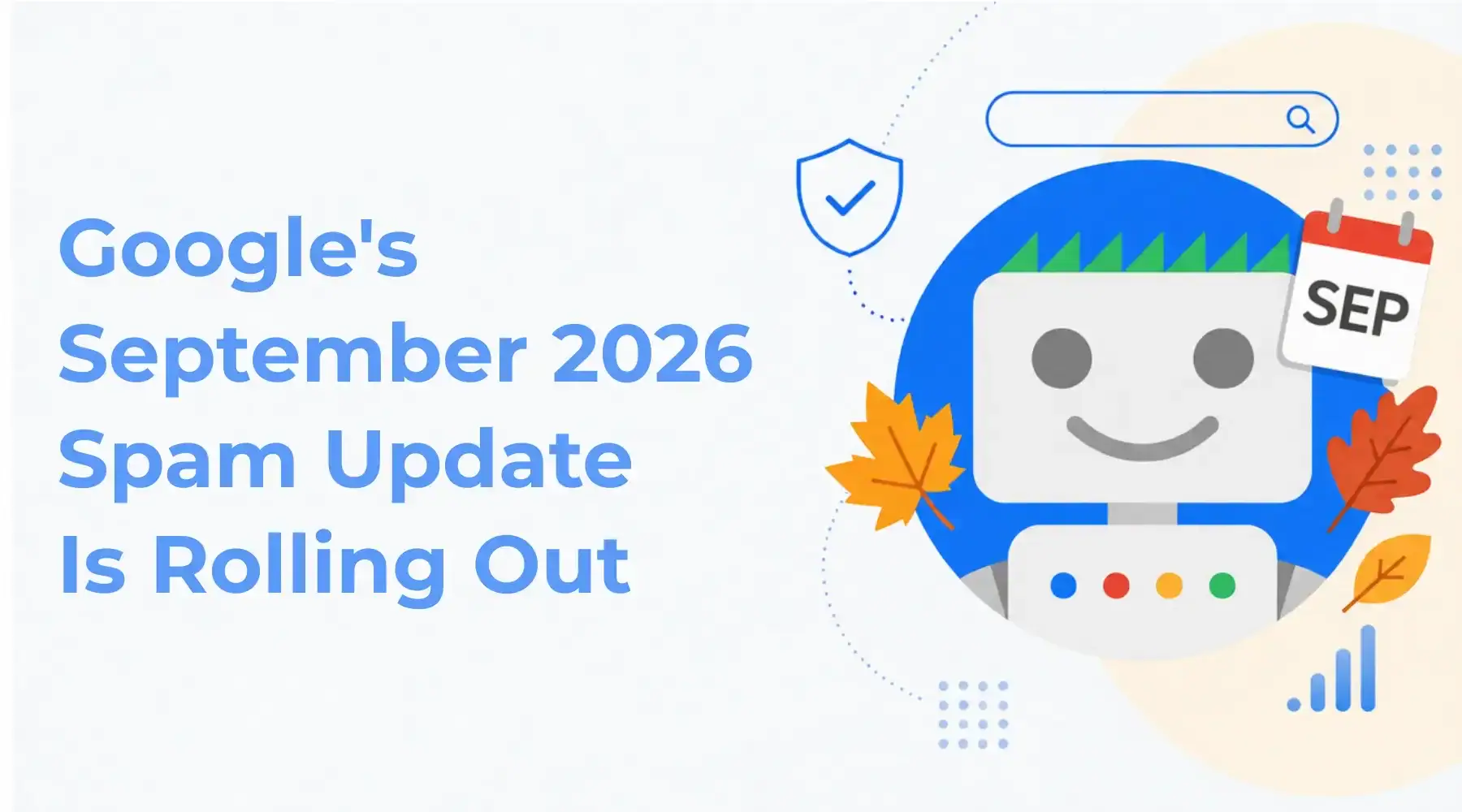
Google began rolling out its September 2026 spam update on 24 September. The update applies to all languages and locations and may take up to two weeks to complete, according to the Google Search Status Dashboard.
It is Google’s fourth recorded spam update this year, following releases in March, June, and August. Google has described September’s release as a normal spam update and has not identified a particular spam tactic, industry, or type of website as its target.
Key Takeaways From Google’s September 2026 Spam Update
- Google began rolling out its September 2026 spam update on 24 September. It applies globally and may take up to two weeks to complete.
- Google has not identified a specific target or said affiliate sites are being singled out.
- Monitor important page groups and affiliate conversions alongside Search Console data, but avoid drawing conclusions from a single day.
- Review older pages for outdated offers, prices, and product information, and update them where readers would benefit.
Why Affiliate Publishers Should Pay Attention
Many affiliate publishers rely on search visibility for reviews, comparisons, and other commercially valuable pages. A sustained ranking change on a small group of those pages can affect referrals and revenue, even if overall site traffic appears steady.
That makes this rollout worth tracking, but its announcement alone does not show that affiliate sites will be affected. Google’s spam policies distinguish useful affiliate pages, which add original information or comparisons, from thin pages that repeat merchant content without adding value. Google has not said this update specifically targets thin affiliation.
What to Check During the Rollout
Mark 24 September on your reporting timeline, then monitor Search Console for changes in clicks, impressions, and rankings. Check reviews and comparison pages separately, and look at affiliate clicks and conversions alongside search data.
This is also a useful time to review older pages. Start with content where prices, offers, product details, or comparisons may be out of date, and update anything that no longer helps readers make an informed choice. There’s no need to rewrite pages simply because an update is rolling out.
Avoid attributing a single day’s decline to the spam update. As we advised after August’s rollout, look for a sustained pattern before making broader changes. Google’s ranking release history will show when the September rollout is complete, giving publishers a firmer point for comparing results.
Everflow
Connect
Tradedoubler
Connect
1win Partners
Connect
PIN-UP Partners
Connect
Shopnomix, a Nomix Group Company
Connect
V.Partners
Connect
Huffson Group
Connect
Kawaii Partners
Connect
Share your expertise and expand your reach and become a content contributor with us today!
Contact Us To Find Out More