Why Direct Advertisers Are Making a Comeback in iGaming Affiliate Marketing
For years, the affiliate marketing model in iGaming has followed a predictable structure. Networks aggregated offers, affiliates optimised traffic, and communication between product and partner was often filtered through multiple layers.
That model still works – but it’s no longer the only one. A quieter shift is happening across the industry, and it’s becoming more visible in 2026: the return of direct advertiser relationships.
From Scale to Control
Affiliate marketing has grown into a complex ecosystem, now requiring the same level of strategic thinking as any other acquisition channel. But with that growth came a trade-off.
As networks scaled, flexibility often decreased. Affiliates gained access to more offers, but lost proximity to the product itself. Deals became standardised, communication slowed down, and optimisation cycles stretched longer than they should. For high-volume affiliates, especially those working with paid traffic, this creates friction. And friction costs money.
Why Some Affiliates Are Moving Back to Direct Deals
The shift toward direct advertisers isn’t about nostalgia. It’s about efficiency. Working directly with a product team changes several things at once. Negotiation becomes faster. Deal structures become more flexible. Testing new approaches doesn’t require multiple approvals. More importantly, feedback loops shorten.
Instead of guessing why a funnel underperforms, affiliates can actually align with the people who control the product. That alone can significantly improve long-term performance – particularly in Tier-1 GEOs where acquisition costs leave little room for error.
Fewer Offers, Better Understanding
One of the more interesting side effects of this shift is a move away from “offer quantity” as a core advantage. In traditional affiliate networks, scale is measured by how many brands are available. In direct setups, the logic is different: fewer products, but deeper understanding of each.
This changes how affiliates operate. Instead of constantly rotating offers, the focus shifts toward:
- refining funnels
- improving retention
- scaling what already works
It’s a slower approach on the surface, but often more stable over time.
Where Programs Like Graffiti Partners Fit In
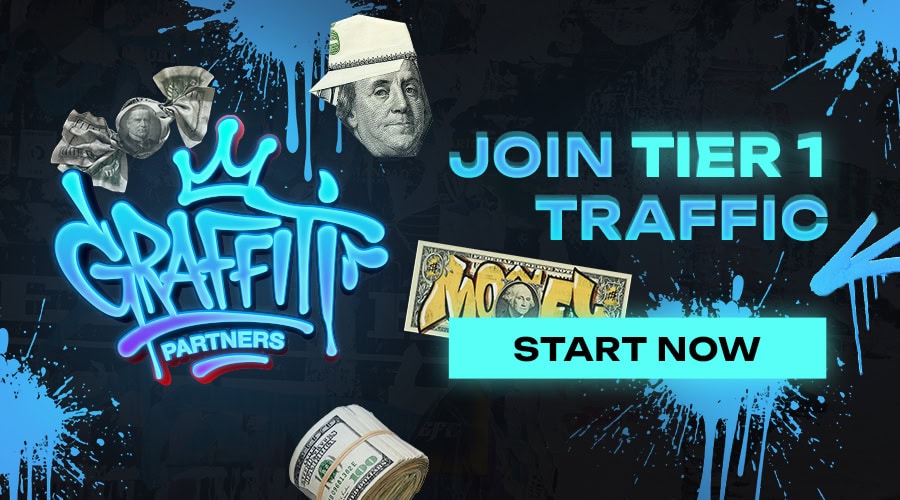
Newer programs entering the market are increasingly built around this model. Graffiti Partners is one example of a direct advertiser setup structured around a single iGaming product. Instead of positioning itself as a large network, it focuses on controlled growth, Tier-1 GEOs, and closer collaboration with affiliates. That positioning reflects a broader trend.
Rather than competing on the number of offers or aggressive acquisition tactics, programs like this are leaning into:
- tighter partner relationships
- more adaptable deal structures
- long-term revenue models over short-term CPA focus
It’s not a model designed for everyone. But it aligns well with affiliates who already operate at scale and value predictability over experimentation.
The Trade-Offs No One Talks About
This shift isn’t without downsides. Direct advertiser setups reduce diversification. If a product doesn’t convert, there’s no internal fallback. Affiliates also need a clearer understanding of their own traffic, since there’s less room for random testing. In other words, the barrier to entry is higher.
But that’s also part of the appeal. As the affiliate space becomes more competitive, some programs are intentionally moving away from mass onboarding and toward curated partnerships.
What This Means for the Industry
Affiliate marketing has always evolved in cycles. What we’re seeing now is less of a disruption and more of a rebalancing. Large networks will continue to dominate in terms of scale and accessibility. But alongside them, a second layer is forming – smaller, more focused programs built around direct relationships and operational efficiency.
For affiliates, the choice becomes more strategic. Do you optimise across dozens of offers, or go deeper with one? Or do you prioritise flexibility, or control? Actually there’s no universal answer. But the growing presence of direct advertiser models suggests that, for a certain segment of the market, the second option is becoming increasingly relevant.
Final Thoughts
The affiliate industry has spent years optimising for scale. Now, part of it is starting to optimise for something else – alignment. And in a space where margins are tightening and competition is rising, that shift might matter more than it seems.
For affiliates already operating in Tier-1 markets, exploring direct advertiser setups is becoming less of an experiment and more of a logical next step. Programs like Graffiti Partners offer a practical way to test this model in real conditions, with direct access to product teams and flexible deal structures.
_________________________________________________________________________________________
Disclaimer: This promoted content is produced by an advertiser of Affiverse. This is paid-for advertorial content and imagery that has been supplied by the Advertiser to Affiverse for publication. Affiverse allows its media partners, affiliates, operators, brands agencies and SaaS providers to share their news, opinion and insights with Affiverse’s audience both online and via our newsletters. To advertise with us, contact: [email protected]
Everflow
Connect
Tradedoubler
Connect
1win Partners
Connect
Shopnomix, a Nomix Group Company
Connect
Huffson Group
Connect
Kawaii Partners
Connect
Trackdesk
Connect
Share your expertise and expand your reach and become a content contributor with us today!
Contact Us To Find Out More