Can Affiliate Scale in Regulated Industries? Lessons from the Energy Sector
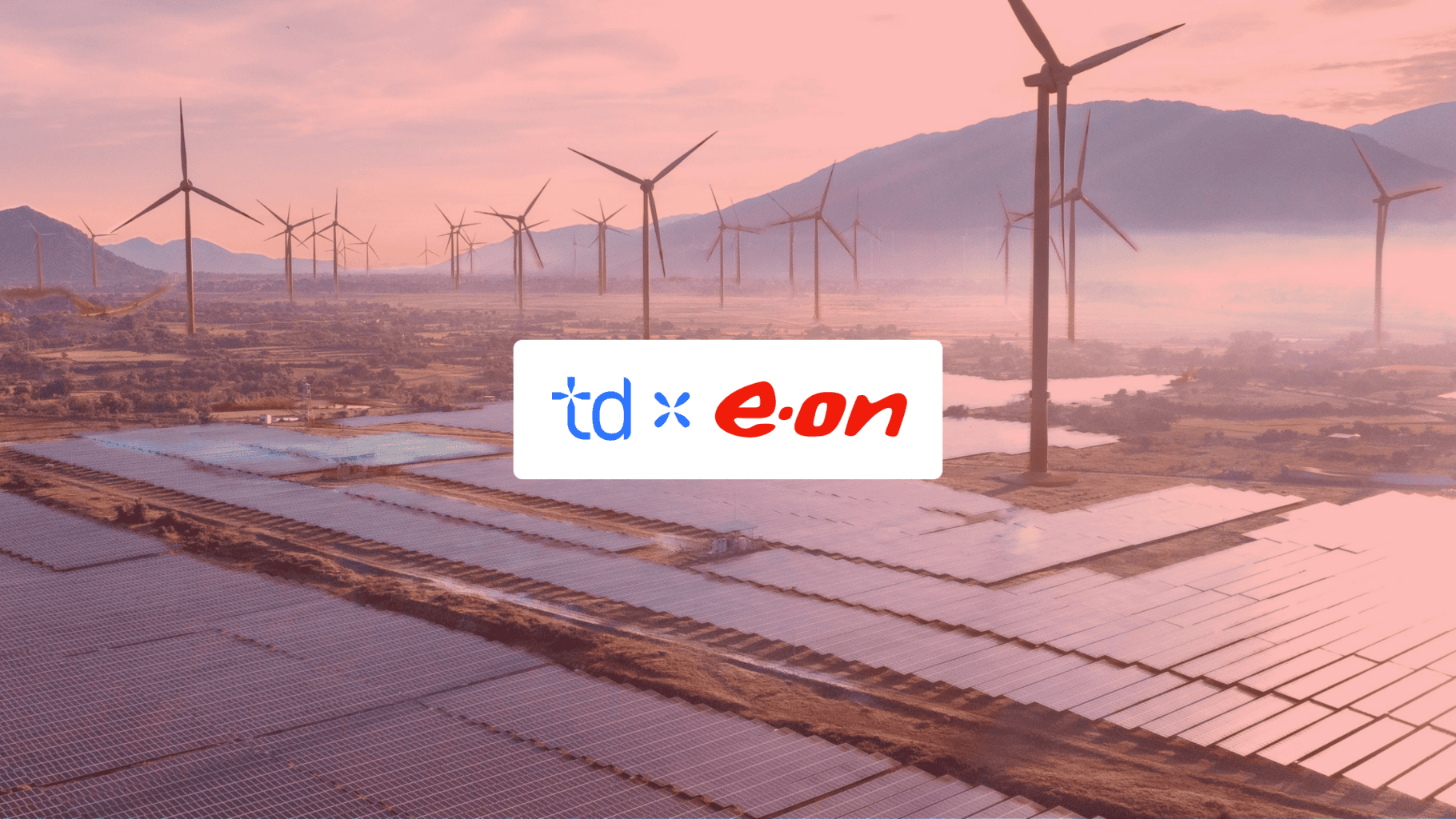
For years, affiliate marketing has been closely associated with ecommerce and retail promotions. But across Europe’s increasingly competitive energy markets, a different shift is underway. Service-based industries – once dominated by offline acquisition and call-center sales – are turning to performance-driven digital channels to compete in crowded, price-sensitive environments.
The energy sector presents a particularly complex acquisition challenge. Providers operate in highly regulated markets, face aggressive competition, and must convert prospects into long-term supply contracts rather than one-off purchases. Customer journeys are longer, switching decisions are more considered, and demand is often influenced by real-world factors such as seasonality and household needs. In this context, scalable and measurable lead generation becomes critical.
Affiliate marketing, when structured strategically, can function as a data-driven engine that supports broader multichannel strategies, captures high-intent demand, and delivers measurable business outcomes beyond simple cost-per-lead metrics.
The experience of E.ON Energia in the Italian market offers a revealing case in point.
The Challenge: Scaling Digital Acquisition in Energy
In Italy’s competitive energy market, E.ON Energia needed to strengthen its digital acquisition strategy. Competition was intensifying, customer expectations were rising, and digital performance needed to complement offline activity within a broader multichannel approach.
Energy presents a distinct performance challenge. Providers are not driving one-off purchases but long-term contractual relationships. That shifts the focus from lead volume to lead quality, intent, and measurable business impact.
The objective was clear: increase new supply activations at scale while aligning digital performance with long-term growth goals.
Why Affiliate Works in Energy
So how can affiliate marketing address this level of complexity in a regulated, service-led market?
The answer lies in structure. E.ON Energia partnered with Tradedoubler to implement a data-driven, multichannel performance model supporting service-based lead generation. Rather than relying on a single publisher type, email marketing, retargeting, and display advertising were activated within the affiliate ecosystem, extending reach and positioning affiliate as an integrated component of the broader digital strategy.
Timing also played a critical role. A pre-summer activation was launched to meet the expected rise in demand for air-conditioning solutions, aligning campaign activity with seasonal energy usage patterns. In sectors where switching decisions are contractual and considered, aligning performance with real-world demand cycles increases both relevance and efficiency.
Most importantly, performance was measured against business outcomes rather than lead volume alone. The campaign generated around 300 leads per month during the activation period and contributed to a 43% growth in supply activations in the first nine months of 2025 compared with the previous year.
_________________________________________________________________________________________
As Elena Ghielmi, Head of Client Development at Tradedoubler Italy, notes:

“There’s often a perception that affiliate works best in e-commerce. This case shows that, when structured correctly, it can scale in highly regulated industries where long-term contracts and customer lifetime value matter more than one-off transactions.”
_________________________________________________________________________________________
What Affiliate Managers Can Learn from the Energy Sector
The E.ON Energia case highlights a broader shift in how affiliate marketing can operate in complex, regulated industries. For affiliate managers working in utilities, telecom, finance, insurance, or SaaS, three lessons stand out.
First, affiliate must be integrated, not isolated. Performance improves when affiliate is embedded within a wider multichannel strategy rather than treated as a standalone traffic source.
Second, intent and timing matter as much as channel mix. Aligning activity with predictable demand cycles – such as seasonal energy consumption – increases relevance and captures prospects when they are most likely to convert.
Third, success should be measured against business impact, not lead volume alone. In this case, performance translated into measurable supply activation growth, reinforcing that affiliate can contribute directly to long-term commercial outcomes when structured correctly.
As competition intensifies across regulated markets, the role of affiliate marketing is shifting from tactical add-on to strategic growth driver. Brands that structure affiliate around quality, compliance, and measurable business outcomes, rather than volume alone, are better positioned to scale sustainably. The question is no longer whether affiliate can work in regulated industries, but how to architect it correctly.
For organisations in energy, utilities, telecom, finance, or other regulated sectors looking to scale digital acquisition while maintaining compliance and quality, a structured affiliate strategy can deliver measurable growth. If you’re re-evaluating how performance channels contribute to long-term commercial outcomes, it may be time to reconsider the role affiliate plays in your wider growth strategy. You can explore the full E.ON Energia case study here.
Everflow
Connect
Tradedoubler
Connect
1win Partners
Connect
PIN-UP Partners
Connect
Shopnomix, a Nomix Group Company
Connect
V.Partners
Connect
Huffson Group
Connect
Kawaii Partners
Connect
Share your expertise and expand your reach and become a content contributor with us today!
Contact Us To Find Out More