The Search Challenge: Why Affiliates Need Alternative Traffic Channels
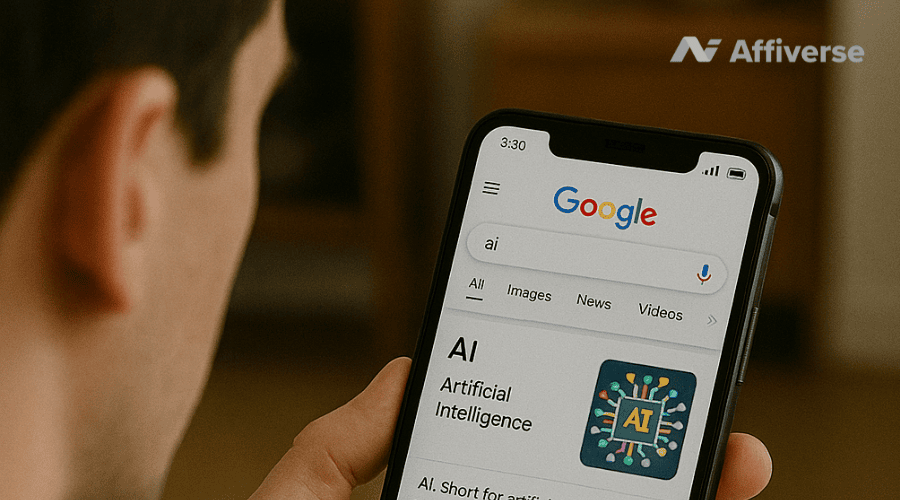
The digital marketing landscape has shifted dramatically in 2024 and 2025, with organic search becoming increasingly challenging for affiliate marketers. AI Overviews now appear in over 35% of all U.S. Google desktop searches, fundamentally changing how users interact with search results.
Some sites are experiencing up to a 70% decrease in website traffic since AI Overviews began appearing more frequently. For affiliate marketers, this represents a critical turning point. Tech review and affiliate sites are seeing revenue plummet as buying-intent keywords like “best laptops for students” now trigger AI recommendations without sending users to review sites.
The data paints a stark picture: over 58% of Google searches now result in zero clicks, meaning most users find what they need without ever engaging with external websites. While Google maintains that “higher-quality clicks” still flow to sites, the overall volume has decreased significantly.
Why Diversification is Critical Now
No strategy in an affiliate program leads to poor performance, as noted in our previous coverage of affiliate marketing strategy. The current search landscape makes this principle more important than ever.
As we’ve explored in our analysis of data-driven strategies in affiliate marketing, successful affiliates must embrace multiple traffic sources to remain competitive. Affiliates can use data to understand which products or services are resonating with their audience, which channels are driving the most traffic, and where to invest their marketing resources for the best return.
Top Alternative Traffic Channels for Affiliates in 2025
1. Social Media Marketing: The Engagement Powerhouse
Social media continues to be a goldmine for affiliate marketers, with platforms offering increasingly sophisticated shopping features. Using social media channels like Facebook, X/Twitter, Instagram, TikTok, and Pinterest can effectively drive organic traffic to your pages and build relationships with potential customers.
Platform-Specific Strategies:
- TikTok: With TikTok having just over one billion monthly active users, the platform has become essential for affiliate marketing. Our coverage of TikTok’s AI voiceover tool demonstrates how affiliates can create more personalised content at scale.
- Instagram: Focus on Reels and Stories for maximum engagement. The report also showed the continued rise of short-form video, with platforms like TikTok, Instagram Reels, and YouTube Shorts delivering the highest ROI across marketing channels
- LinkedIn: Particularly powerful for B2B affiliates, with LinkedIn generating 80% of B2B leads from social media channels with conversion rates 3x higher than other platforms
Implementation Tips:
- Create authentic, engaging content that doesn’t feel overly promotional
- Leverage user-generated content to build trust
- Use platform-specific features like shopping tags and link stickers
2. Email Marketing: The Relationship Builder
Email marketing remains one of the most reliable channels for affiliates. Email marketing is one of the most effective ways to use data to drive conversions, offering direct access to engaged audiences.
Key Strategies:
- Build segmented email lists based on user behaviour and interests
- Create value-driven newsletters that educate before they sell
- Implement automated email sequences for different customer journey stages
- Use personalisation to increase open rates and conversions
As highlighted in our guide to cross-channel marketing strategies, email marketing should work in harmony with other channels to guide the consumer through the purchase journey in a fluid and effective manner.
3. Video Content: The Engagement Champion
Video content has become indispensable for affiliate marketing success. Videos are fantastic for brand awareness. They are incredibly eye-catching and dynamic, so there is more of a chance that they will catch the eye of someone on social media.
Video Content Formats:
- YouTube: Long-form reviews, tutorials, and comparison videos
- Short-form video: TikTok, Instagram Reels, YouTube Shorts for quick product showcases
- Live streaming: Real-time product demonstrations and Q&A sessions
- Tutorial content: Step-by-step guides that naturally incorporate affiliate products
Our analysis of video content strategies shows that video content is now an integral part of a successful digital media strategy, helping bridge the gap between online and in-person shopping experiences.
4. Influencer Partnerships: The Trust Multiplier
Research indicates that 69% of consumers rely on influencer recommendations, making them a valuable asset in promoting affiliate products. The key is focusing on authentic partnerships rather than one-off promotional posts.
Effective Approaches:
- Partner with micro-influencers in your niche (1K-100K followers)
- Focus on long-term relationships rather than single campaigns
- Collaborate on content that provides genuine value to their audience
- Track engagement rates, not just follower counts
As we’ve covered in our affiliate marketing trends analysis, 2025 will see a shift towards micro and niche influencers. Rather than focusing solely on influencers with large followings, brands are beginning to value influencers who have strong engagement in specific areas.
5. Native Advertising: The Seamless Approach
Native advertising offers a non-intrusive way to reach potential customers. Native ads are designed to fit the look and feel of the web page they appear on, so they don’t stand out like a sore thumb, or intrude on the natural browsing experience of the customer.
Benefits:
- On the open web, native ads have been shown to be 53% more effective than display ads
- Higher trust levels compared to traditional display advertising
- Better integration with content consumption patterns
6. Paid Search and Social Media Advertising
While organic reach becomes more challenging, paid advertising offers precise targeting capabilities. Pay-per-click (PPC) advertising platforms such as Google Ads and Bing Ads are great ways to get your affiliate links in front of potential customers.
Strategic Focus Areas:
- Target long-tail keywords with commercial intent
- Use retargeting to capture visitors who didn’t convert initially
- Leverage lookalike audiences based on your best customers
- Test different ad formats and creative approaches
7. Podcast Marketing: The Intimate Connection
Podcasts offer a unique opportunity to build deep connections with audiences through longer-form content and intimate listening experiences.
Podcast Strategies:
- Guest appearances on relevant shows in your niche
- Sponsor existing podcasts that align with your target audience
- Create your own podcast around topics related to your affiliate products
- Develop relationships with podcast hosts for ongoing partnerships
Building Your Multi-Channel Strategy
Success in today’s environment requires a coordinated approach across multiple channels. Our research on cross-channel marketing shows that consumers rarely stick to just one platform when interacting with a brand. A typical customer might discover a product through an Instagram ad, research it on Google, visit the brand’s website, and then finally make a purchase through a mobile app.
Integration Best Practices:
- Consistent Messaging: Ensure your brand voice and key messages remain consistent across all channels
- Cross-Platform Promotion: Use each channel to drive traffic to others in your ecosystem
- Unified Tracking: Implement proper attribution to understand which channels contribute to conversions
- Content Repurposing: Adapt content for different platforms while maintaining core messaging
- Audience Segmentation: Tailor your approach based on how audiences behave on different platforms
The Role of Technology and AI
AI will play an even larger role in affiliate marketing. Affiliates are using AI-driven tools to streamline tasks like content creation, audience targeting, and data analysis. Smart affiliates are leveraging technology to:
- Automate content creation across multiple platforms
- Analyse performance data to optimise channel allocation
- Personalise experiences based on user behaviour
- Predict which content formats will perform best on each platform
Our guide to AI tools for affiliate marketing provides specific recommendations for implementing these technologies.
Measuring Success Across Channels
Data-driven strategies are essential for understanding return on investment (ROI) and accurately attributing sales and conversions. Key metrics to track include:
- Channel-specific conversion rates
- Customer acquisition costs by channel
- Lifetime value of customers from different sources
- Attribution across the customer journey
- Engagement rates and quality metrics
Looking Ahead: Future-Proofing Your Strategy
The affiliate marketing landscape will continue evolving rapidly. As we’ve noted in our analysis of future affiliate marketing trends, successful affiliates must remain adaptable.
Key Principles for Long-term Success:
- Never rely on a single traffic source
- Continuously test new channels and platforms
- Focus on building owned audiences (email lists, communities)
- Invest in relationships over transactions
- Stay informed about platform changes and new opportunities
Conclusion
The era of relying solely on organic search for affiliate marketing success is ending. With AI Overviews expanding and zero-click searches increasing, affiliates must diversify their traffic strategies now.
The good news? Multiple alternative channels offer significant opportunities for those willing to adapt. By building a diversified approach that combines social media marketing, email campaigns, video content, influencer partnerships, and strategic paid advertising, affiliates can not only survive the current search challenges but thrive in the evolving digital landscape.
The key is to start now, test systematically, and build sustainable relationships with your audience across multiple touchpoints. Those who embrace this multi-channel approach will be best positioned for long-term success in affiliate marketing.
Ready to diversify your affiliate marketing strategy? Explore our training programs and stay updated with the latest trends through our industry insights.
Everflow
Connect
Tradedoubler
Connect
1win Partners
Connect
PIN-UP Partners
Connect
Shopnomix, a Nomix Group Company
Connect
V.Partners
Connect
Huffson Group
Connect
Kawaii Partners
Connect
Share your expertise and expand your reach and become a content contributor with us today!
Contact Us To Find Out More