TikTok Shop Details Livestream Sales Measurement Over 14 Days
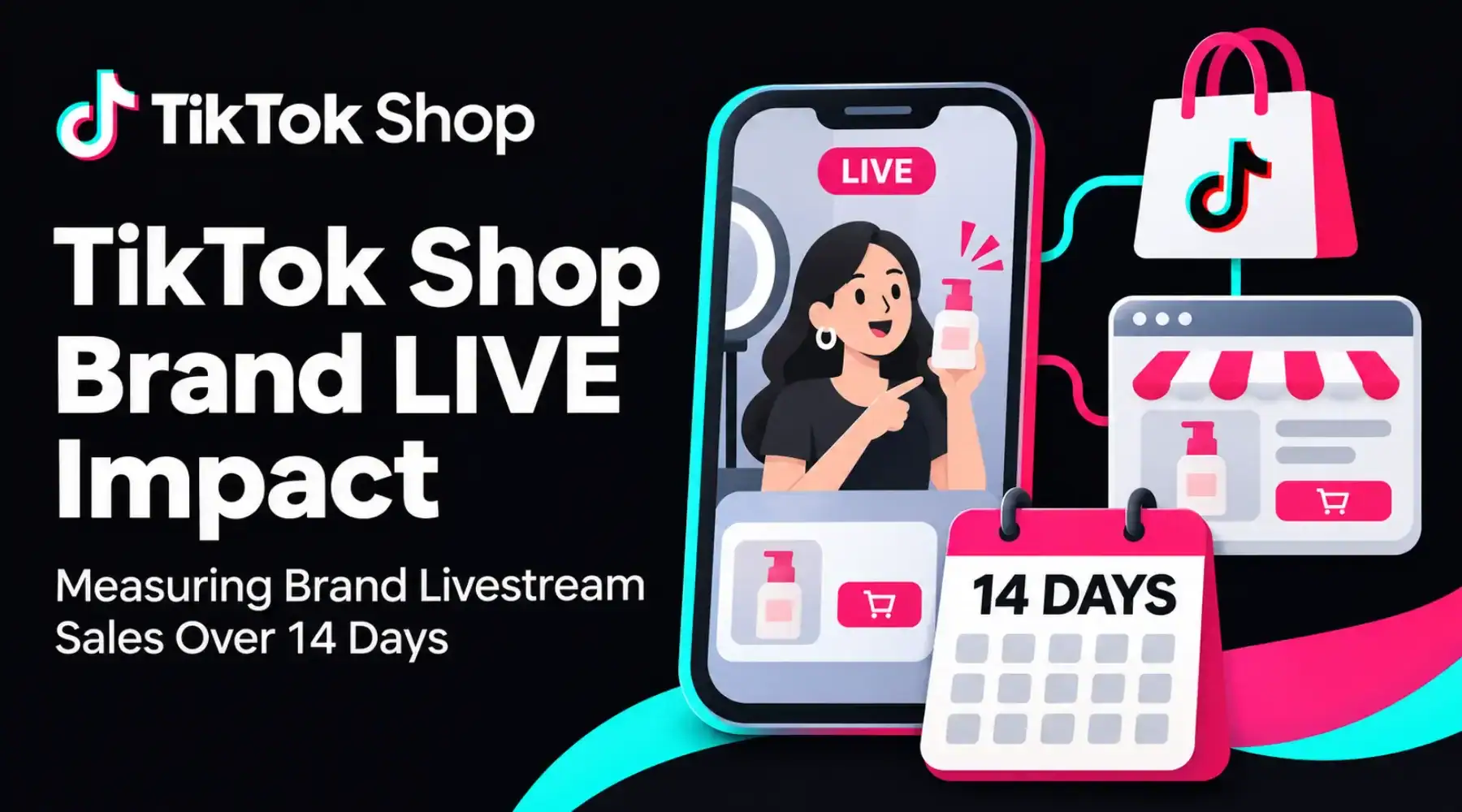
TikTok Shop has documented Brand LIVE Impact, a module for selected US brands that measures sales associated with their livestreams over 14 days, including purchases completed on their own websites. The November 2, 2026 feature guide covers brands’ own Official and Marketing accounts.
The documentation arrives before TikTok Shop’s US Black Friday campaign, which runs November 11–30. It gives brand teams a reporting framework to examine alongside the immediate sales figures they use to assess broadcasts.
Key Takeaways From TikTok Shop Brand LIVE Impact
- Access is limited to A1, A2, and allowlisted brand merchants.
- GMV, approved creator commission, and incremental sales answer different business questions.
- Comparisons between reports need consistent dates and metric definitions.
How Brand LIVE Impact Counts Sales
The module combines four gross merchandise value (GMV) components:
| Component | Purchase route | Window |
|---|---|---|
| Direct | Payment inside the live room | Immediate |
| Indirect | Same-shop purchase after browsing or adding to cart in LIVE | 24 hours |
| Onsite spillover | Same-brand purchase through other TikTok formats after product interaction in LIVE | 14 days |
| Offsite spillover | Later purchase on the brand’s website after product interaction in LIVE | 14 days |
Offsite measurement requires Pixel binding. TikTok warns that multiple shops sharing one Pixel may produce duplicate counting.
Figures continue updating for 14 days after a livestream ends. TikTok provides a mature date to indicate when results stabilize.
Why TikTok Shop Revenue Reports Can Differ
TikTok’s separate Shop Analytics guidance explains that standard GMV uses the time of payment and includes canceled and refunded orders. LIVE GMV also follows payment time, so a broadcast crossing midnight can record sales on two calendar days.
That guidance separately defines Affiliate LIVE GMV as paid orders attributed to creators’ livestreams within 14 days of clicking product links. Linked-account LIVE GMV concerns direct purchases from Official and Marketing accounts, with classification based on the account’s status that day.
These existing definitions matter when comparing dashboards. Teams should identify whether a figure describes payment activity on a particular day, a specific account type, or sales attributed to a broadcast. Matching the label and period is a necessary first step before treating a difference as missing revenue.
Affiverse’s analysis of TikTok Shop’s Amazon attribution gap explores a related crediting problem when product discovery happens on TikTok but checkout takes place on another marketplace.
Brand Reporting and Creator Commission
Affiverse’s TikTok creator monetization guide explains why a reported sale needs to be distinguished from an approved payment to a creator.
TikTok’s standard affiliate commission guidance calculates commission from revenue after refunds, multiplied by the applicable commission rate. The amount first displayed after purchase is an estimate; the final amount depends on actual revenue and the order’s outcome.
The same guidance says payment typically follows 15 days after delivery, although seller settlement timing and unresolved disputes or returns can extend that period.
A brand’s campaign review should therefore keep the sales record and the creator’s earnings record identifiable. A team deciding whether to repeat a broadcast needs its production and promotion costs alongside revenue; a creator checking earnings needs the qualifying order and applicable commercial terms.
Attributed Sales and Incremental Growth
Another distinction concerns whether an attributed purchase represents additional demand.
Standard attribution assigns conversions according to tracking settings and crediting rules, while incrementality experiments ask whether activity generated additional sales. Affiverse’s webinar on measuring affiliate sales impact discusses why testing requires input from paid media and data teams.
That provides a useful principle for evaluating livestream activity. A report connecting a broadcast with subsequent purchases helps describe the buying journey. Assessing how many purchases would have happened without that broadcast requires a separate causal evaluation.
What Affiliate Teams Should Check in Livestream Reporting
Ahead of the holiday campaign, managers should agree which question each report will answer. Save the metric definition and reporting period with the results, then reconcile the orders before using totals to compare partner performance or allocate future budgets.
Affiverse’s guide to the affiliate data stack explains how tracking, commerce, and finance records can describe different stages of the same transaction. Order identifiers, timestamps, and status updates help make those differences traceable.
For livestream reviews, that means retaining a clear record of what was attributed, what remained after cancellations and refunds, and what commission was approved. Those checks give brands a firmer basis for discussing performance with their creator and agency partners.
Everflow
Connect
Tradedoubler
Connect
1win Partners
Connect
Shopnomix, a Nomix Group Company
Connect
Huffson Group
Connect
Kawaii Partners
Connect
Trackdesk
Connect
Share your expertise and expand your reach and become a content contributor with us today!
Contact Us To Find Out More