The FTC Is Watching — AI-Generated Endorsements, Affiliate Links, and What Compliance Looks Like in 2026
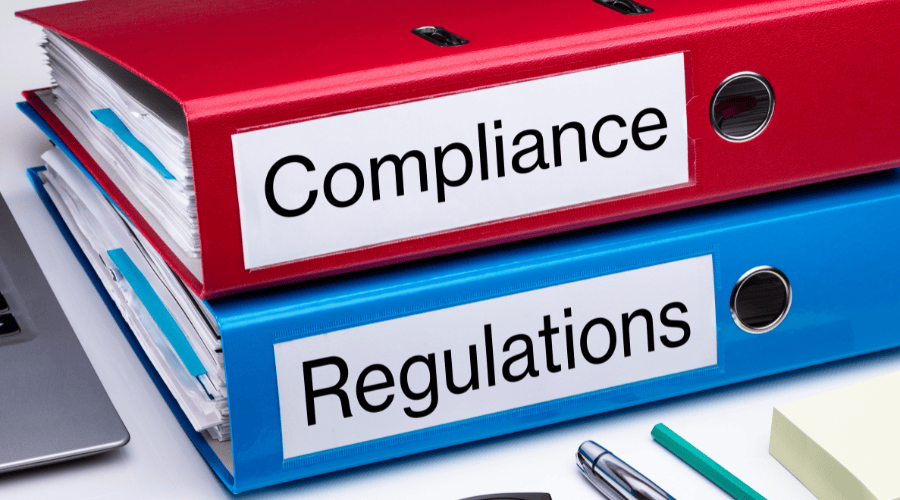
The Federal Trade Commission’s Bureau of Economics is hosting its Third Conference on Marketing and Public Policy on 19-20 March 2026 in Washington D.C. The agenda covers consumer behaviour research, deceptive practices, and information economics – all topics for affiliate program managers to be taking a stronger note of. For those who assumed FTC enforcement was primarily a concern for consumer-facing influencers and not for the affiliate industry’s operational layer, the conference agenda should dispel that. Among the sessions: a dedicated research presentation titled “Influencer Endorsements and Sales” by FTC economist William Violette, and a panel on information disclosure and AI. This is not theoretical territory.
This is where regulatory attention is actively being directed.
What the 2023 Endorsement Guide Updates Actually Changed for Affiliates
The FTC’s updated Endorsement Guides, revised in 2023, extended disclosure obligations well beyond celebrity partnerships and traditional social media influencers. As previously reported, the guidelines explicitly cover bloggers, affiliates, employees, agency partners, and anyone earning commission-based referrals – not just creators with large public followings.
The core requirement remains: any material connection between a promoter and a brand must be disclosed clearly, conspicuously, and in a format appropriate to the platform. Material connections include affiliate commissions, gifted products, discounts, employment ties, and early access arrangements. Platform-provided disclosure tools — such as Instagram’s “Paid Partnership” label, can supplement disclosures but, per the FTC, cannot replace them.
What has evolved is the scope of who carries liability. The guidance now makes explicit that brands are accountable when they direct, fund, or benefit from non-compliant endorsements, even when the creator posts independently. Claiming ignorance of a publisher’s disclosure practices is not a viable defence. The FTC has also made clear it is testing the extent to which creators themselves can be held directly liable — not just the brands that commission them.
In January 2026, the FTC issued its first warning letters under the Consumer Review Rule, citing ten companies for potential violations including the use of fake reviews, incentivised testimonials, and deceptive review practices. Those warning letters signal something important: enforcement is active rather than theoretical, and it is reaching into the affiliate ecosystem.
The AI Dimension: Virtual Influencers, Synthetic Endorsements, and Deepfake Risk
The conference’s dedicated session on “Information Disclosure and AI” points to where FTC scrutiny is heading next. Both UK and US regulatory frameworks are now beginning to address AI-generated promotional content , a category that includes virtual influencers, AI avatars, synthesised voices, and deepfake-style promotional video.
The FTC’s position is that if synthetic media is used to simulate a real or fictional person endorsing a product, that content carries the same disclosure obligations as human-created content and potentially additional ones. Audiences must be informed when AI has generated or materially influenced the endorsement they are seeing.
This creates a material compliance problem for affiliate programs that use AI tools for publisher-facing content production, automated review generation, or AI-enhanced creator partnerships. If the audience cannot reasonably identify that the endorsement was generated or amplified by artificial intelligence, the program is likely in breach of current FTC guidance.
The UK’s Advertising Standards Authority (ASA) holds a parallel position, requiring that promotional content be clearly labelled as advertising the accepted terms being “Ad,” “Advert,” or “Advertisement” and has found that approximately two-thirds of promotional Instagram Stories reviewed in a recent audit were not properly labelled.
What This Means for Publisher Contracts and Program Governance
Compliance in 2026 cannot be a reactive process. Affiliate program managers operating in US and UK markets need to treat their publisher contracts, onboarding documentation, and campaign briefs as compliance instruments and not just commercial agreements.
The specific areas requiring immediate review are:
Disclosure obligations in publisher agreements. Contracts should specify the exact disclosure language required for each content format and platform, including how affiliate links must be flagged on long-form content, video, podcasts, newsletters, and social media stories. Generic references to “FTC compliance” are insufficient. Clear and unambiguous language must be spelt out.
AI content provisions. Where publishers use AI tools to create or augment promotional content, contracts should require disclosure of that fact to end audiences. Program managers should also audit whether their own tooling — automated personalisation, AI-generated review summaries, AI-optimised landing pages — creates disclosure obligations they have not yet addressed. The FTC’s conference agenda includes sessions on “Algorithmic Positivity Bias in AI-Generated Consumer Review Summaries” and “When AI Disclosure Backfires” — areas directly relevant to programs using AI to manage or filter publisher-facing content.
Creator liability clauses. As the FTC tests creator-direct liability, affiliate programs should ensure their agreements include appropriate indemnification clauses that address non-compliance by publishers rather than assuming brand-side liability absorption.
Monitoring and remediation workflows. The FTC has made clear that post-publication monitoring is part of what constitutes adequate brand oversight. Programs need systematic processes for auditing publisher content against disclosure standards, not just one-time sign-off at onboarding. This extends to affiliate review sites, comparison tools, and newsletter placements — not just influencer content.
For finance and iGaming verticals in the UK, the overlay of Financial Conduct Authority (FCA) regulations on financial promotions adds an additional compliance tier. The FCA has warned that influencers promoting regulated financial products without prior approval may be committing a criminal offence. Affiliate managers in these verticals should be operating their publisher vetting processes accordingly.
Three Ways to Check your Program Today
1. Audit your publisher contracts against current FTC and ASA disclosure standards. Remove vague compliance references and replace them with specific requirements by platform and content format. This is a practical task that reduces exposure now, before enforcement actions multiply.
2. Establish an AI content policy for your program. Define what constitutes AI-generated promotional content, specify the disclosure language required when publishers use AI tools, and include provisions in your standard agreement templates. Programs that already govern this will be better positioned as the regulatory direction becomes clearer.
3. Build a post-publication monitoring function. The FTC’s warning letters were triggered by consumer complaints – meaning enforcement can be initiated externally. Systematic monitoring of publisher content against disclosure standards is no longer optional for programs operating at scale. Document your processes: the ability to demonstrate active compliance oversight is itself a mitigation in any enforcement scenario.
For deeper context on staying FTC-compliant, we have covered previous topics to help affiliate managers remain up to speed with changing regulatory demands – key compliance steps for affiliate programs and the legal and tax considerations that underpin sustainable affiliate operations. The FTC conference outcomes are worth watching closely. The research presented will likely shape enforcement priorities through the remainder of 2026 and beyond.
_________________________________________________________________________________________
Ready to build a more compliant and resilient affiliate program? Partner with our specialist agency team at KonverJ.io or stay ahead of regulatory developments through the Affiverse industry insights hub.

Everflow
Connect
Tradedoubler
Connect
1win Partners
Connect
PIN-UP Partners
Connect
Shopnomix, a Nomix Group Company
Connect
V.Partners
Connect
Huffson Group
Connect
Kawaii Partners
Connect
Share your expertise and expand your reach and become a content contributor with us today!
Contact Us To Find Out More