Google and Amazon Expand AI Ad Tools Across YouTube and Retail Media
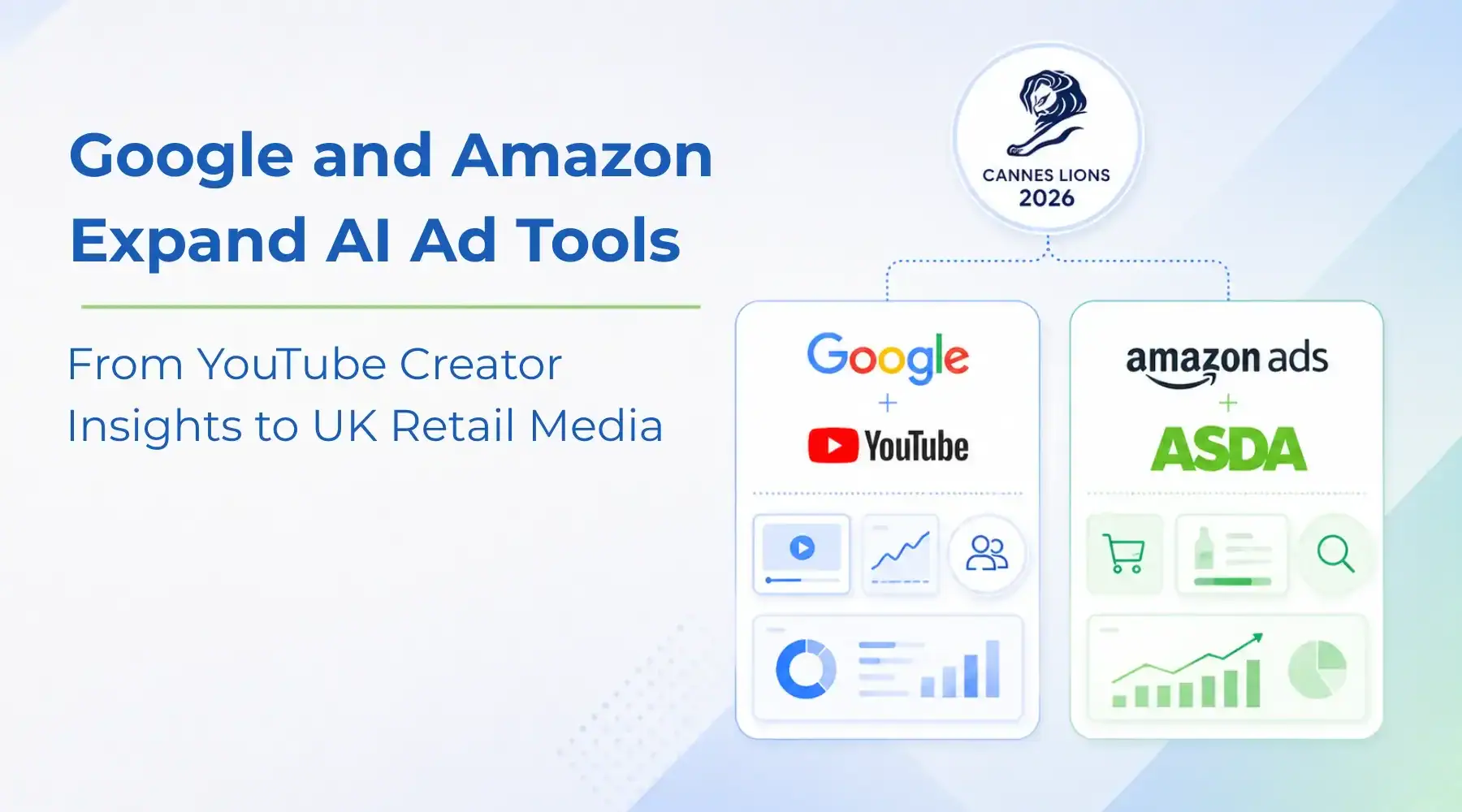
Google and Amazon Ads have announced separate June 2026 advertising updates as AI plays a larger role in campaign planning, creator discovery, product search and retail media.
At Cannes Lions 2026, Google introduced new Gemini-powered tools for YouTube campaign planning, creator insights and creative guidance. The update gives advertisers more ways to use YouTube signals inside Google’s ad tools.
Amazon Ads, meanwhile, has confirmed a UK retail media partnership with Asda. The supermarket group will become the first retailer outside the US to introduce Amazon Retail Ad Service to its online stores, with a phased rollout planned from Q4 2026.
Key Takeaways From Google and Amazon’s AI Ad Updates
- Google has announced new YouTube campaign tools built with Gemini.
- The YouTube update includes deeper trend data, Brand Pulse metrics, a Content & Creator Insights API and creative tips for Demand Gen campaigns.
- Amazon Ads and Asda have signed a UK retail media partnership.
- Asda will become the first retailer outside the US to introduce Amazon Retail Ad Service to its online stores.
- The Asda rollout will start in phases from Q4 2026 across online grocery and George.
- Both updates give advertisers more platform-native ways to plan campaigns, find audiences and connect media activity with shopping behavior.
- For affiliates, the main question remains measurement. Creator content, publisher content and partner influence can shape a purchase before the final tracked click.
Google Adds Gemini-Powered Tools to YouTube Campaigns
According to Google’s Ads & Commerce announcement, the company introduced new YouTube insights tools at Cannes Lions 2026 to support creator marketing and campaign planning.
The update covers three main areas:
- Trending insights: Google is adding new US trend data inside Google Ads Insights Finder, giving advertisers a clearer view of what’s gaining attention on YouTube.
- Brand Pulse metrics: Select Brand Pulse data will also appear inside Insights Finder, helping brands compare paid and organic YouTube activity in one place.
- Creator and creative tools: Google announced a new Content & Creator Insights API for partners, while Gemini will soon provide creative tips for YouTube Demand Gen campaigns.
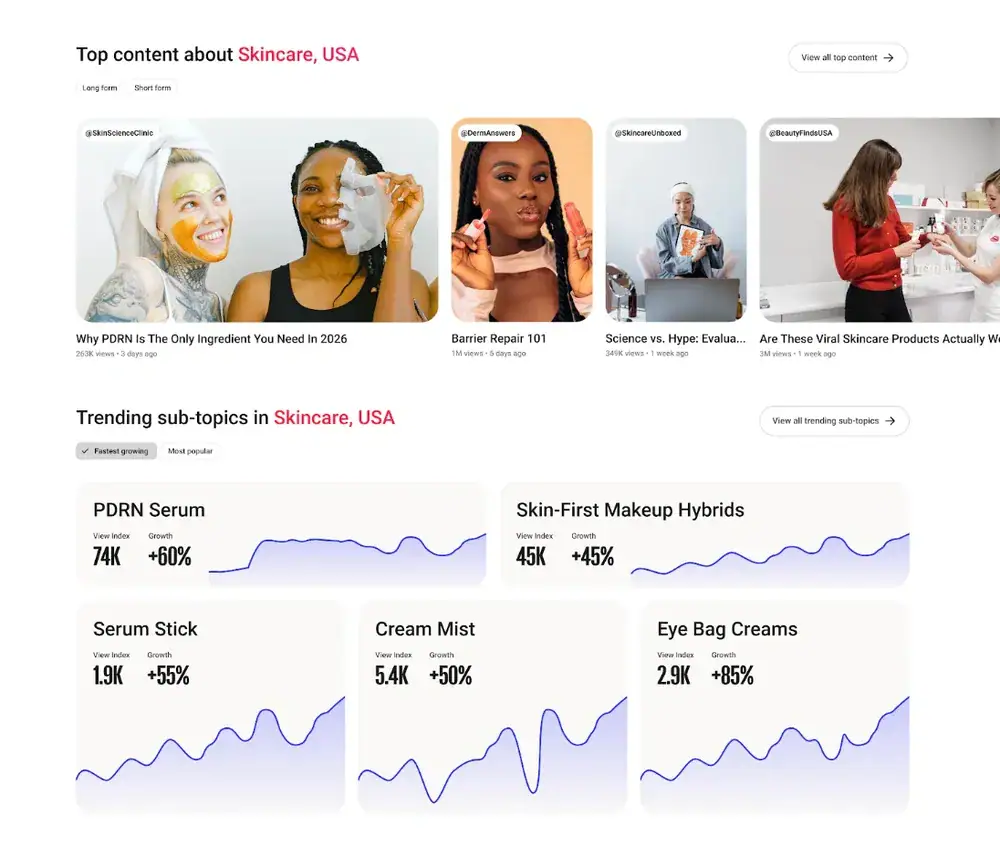
Source: Cannes Lions 2026: Strengthen creative campaigns with new tools from YouTube blog
The practical direction is clear. Creator discovery is moving closer to paid media workflow. A creator no longer sits only in an influencer spreadsheet or affiliate contact list. Platforms want advertisers to find creators, test assets, read audience signals and launch campaigns inside the same ad environment.
That matters for affiliate teams, too. Creator activity and affiliate activity often influence the same buyer, even when internal teams measure them separately. Affiverse recently explored this overlap in When Creators and Affiliates Stop Being Different Budget Lines.
Amazon Retail Ad Service Expands to the UK Through Asda
Amazon Ads has also announced a new retail media partnership with Asda. According to the Amazon Ads announcement, Asda will become the first retailer anywhere outside the US to introduce the Amazon Retail Ad Service to its online stores.
The rollout will begin in phases from Q4 2026 and will cover two main Asda platforms:
- Online grocery: Amazon Ads technology will support ad placements across Asda’s digital grocery experience.
- George: The rollout will also include George, Asda’s clothing and homeware brand.
- Retail media reporting: Advertisers will manage campaigns through Amazon Ads tools, with reporting connected to Amazon’s ad stack.
Amazon first announced the Amazon Retail Ad Service in January 2025. The service allows online retailers to show product ads across search, browse and product pages. Retailers control formats, placements and what happens after a click, while advertisers can use Amazon Ads tools to manage campaigns. That gives Amazon Ads a bigger role outside Amazon’s own store. It also gives retail partners a way to build ad products without developing the full ad tech stack from scratch.
For ecommerce affiliates, the Asda partnership adds another layer to the retail media conversation. Product discovery can happen through a publisher, creator, search ad, AI shopping tool, marketplace listing or retailer-owned media placement. The click path keeps spreading out.
A similar pattern appeared during Amazon Prime Day 2026, where AI-powered deal discovery became part of the shopping journey. Shoppers may research through publishers, compare products through AI tools, check creator content and complete the purchase through Amazon or another retailer. The affiliate touchpoint can still matter, even when the final conversion happens somewhere else.
Why AI Ad Tools Make Affiliate Measurement Harder
These updates don’t replace affiliate marketing. They make the buyer journey harder to read.
Google wants advertisers to use YouTube signals, creator data and Gemini guidance to plan campaigns faster. Amazon Ads wants retailers and brands to run more retail media through its ad technology. TikTok has taken a similar route with Symphony Agent tools for campaign planning and content creation, while Meta has pushed AI search and live commerce tools across Facebook and Instagram.
For affiliate managers, the issue comes down to proof. Creator content may help create demand before a user clicks. A publisher may shape the shortlist before the user searches again. Retail media can also capture the final conversion, even when partner content played an earlier role.
As AI planning tools spread across ad platforms, those measurement gaps become harder to ignore. The key question is simple: who influenced the buyer before the checkout page?
Everflow
Connect
Tradedoubler
Connect
1win Partners
Connect
PIN-UP Partners
Connect
Shopnomix, a Nomix Group Company
Connect
V.Partners
Connect
Huffson Group
Connect
Kawaii Partners
Connect
Share your expertise and expand your reach and become a content contributor with us today!
Contact Us To Find Out More