Publishers Get a New Revenue Line as Brambles.ai and Shopnomix Bring AI Commerce Into Editorial Content
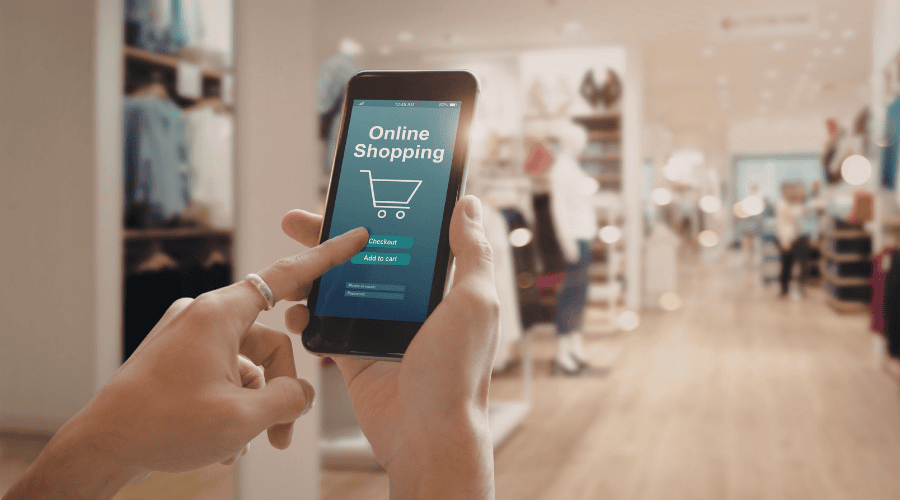
Brambles.ai, which builds AI shopping tools for publisher and retailer websites, and Shopnomix, the performance commerce division of Nomix Group, have joined forces to help brands appear in conversational AI and for publishers to generate revenue from a new source: AI agent assisted shopping built directly into their content.
The partnership, announced today – between the two companies is working at the intersection of artificial intelligence and e-commerce – now embeds conversational product discovery into editorial environments. Whether in a review, a how-to article or a news story, the integrated technology can surface relevant purchase options from more than 50,000 brands in real time without redirecting the reader away from the page. Publishers, in turn, earn a share of any resulting sales through affiliate and retail media arrangements, creating an incremental revenue stream alongside existing advertising.
Why This Matters for Publisher Revenue Right Now
Research from multiple sources points to shifts in consumer shopping behavior driven by the growing use of AI chatbots and search tools for product research and discovery, compressing the gap between content consumption and purchase decisions.
Publishers have been under sustained pressure to reduce dependence on programmatic display advertising, which has faced years of declining CPMs. That pressure has intensified as AI-driven search tools are compressing the gap between content discovery and purchase decisions, shrinking the referral traffic many editorial commerce programs depend on.
For publishers, that means influence is happening earlier in the journey while attribution is becoming harder to prove.
“Publishers have always been influential in how people discover and choose products, but the economics haven’t always reflected that,” says Derek Brambles, founder of Brambles.ai. “This partnership means a publisher can go from editorial content to a fully transactional shopping experience within a single interface, and get paid for the role they played in that journey
The Brambles.ai and Shopnomix integration is a direct response to that shift.
Rather than sending a reader through a click-out to a retailer, the conversational interface Brambles.ai embeds into editorial pages allows questions, comparisons, and completed purchases to happen inside the publisher’s own environment. Shopnomix provides the underlying product data, affiliate tracking, and performance measurement that makes those transactions attributable.

For brands and retailers, the partnership opens a new distribution channel that connects products to consumers at the moment of demonstrated interest while they are actively reading related content, rather than relying on retargeted advertising after the fact.
“We built Shopnomix to help brands reach consumers through channels that actually drive results, not just impressions,” said Colin Jeavons, CEO of Nomix Group. “AI-assisted commerce is becoming one of the most important of those channels, and this partnership puts us in a strong position to help both publishers and brands unlock new distribution, new intent signals and new revenue opportunities while improving the consumer experience.”
What the Three-Model Structure Means in Practice
The combined system gives publishers three routes to revenue:
- Traditional affiliate commissions on sales
- Sponsored product placements negotiated directly with brands
- Programmatically sold retail media inventory.
That layered revenue approach is worth paying attention to, because it mirrors how sophisticated commerce publishers have been building hybrid revenue stacks in recent years, moving beyond pure CPA dependency. Deployments with digital publishers are already live, with additional enterprise rollouts planned throughout 2026.
Nomix Group is not a new name in this space. Affiverse covered the company’s leadership expansion earlier this year as it bolstered its team to drive revenue growth across brands and publishers, with Jeavons forecasting that AI-powered shopping will drive at least a 30% increase in digital commerce spending across Western markets by the end of 2027.
3 Takeaways for Affiliates and Program Managers
On-page commerce changes the measurement conversation. If your affiliate program relies on click-out tracking, partnerships that resolve transactions inside a publisher’s own interface require a different attribution model. Audit your tracking setup before assuming existing setups will capture on-page conversions accurately.
The three-model revenue stack is the direction travel. Publishers that can layer affiliate commissions, direct brand deals, and programmatic retail media into a single content experience are building more resilient revenue structures. If you manage publisher relationships, understand which of these models your partners are moving toward.
AI commerce tools are gaining enterprise traction fast. With live deployments already running and more planned for 2026, this category is moving from pilot to production. Publishers and affiliate program managers who evaluate these tools now will have a head start on understanding how they affect traffic, attribution, and partner economics.
Everflow
Connect
Tradedoubler
Connect
1win Partners
Connect
PIN-UP Partners
Connect
Shopnomix, a Nomix Group Company
Connect
V.Partners
Connect
Huffson Group
Connect
Kawaii Partners
Connect
Share your expertise and expand your reach and become a content contributor with us today!
Contact Us To Find Out More