Repeat Purchase Is a Team Sport: Rethinking Affiliate After Black Friday
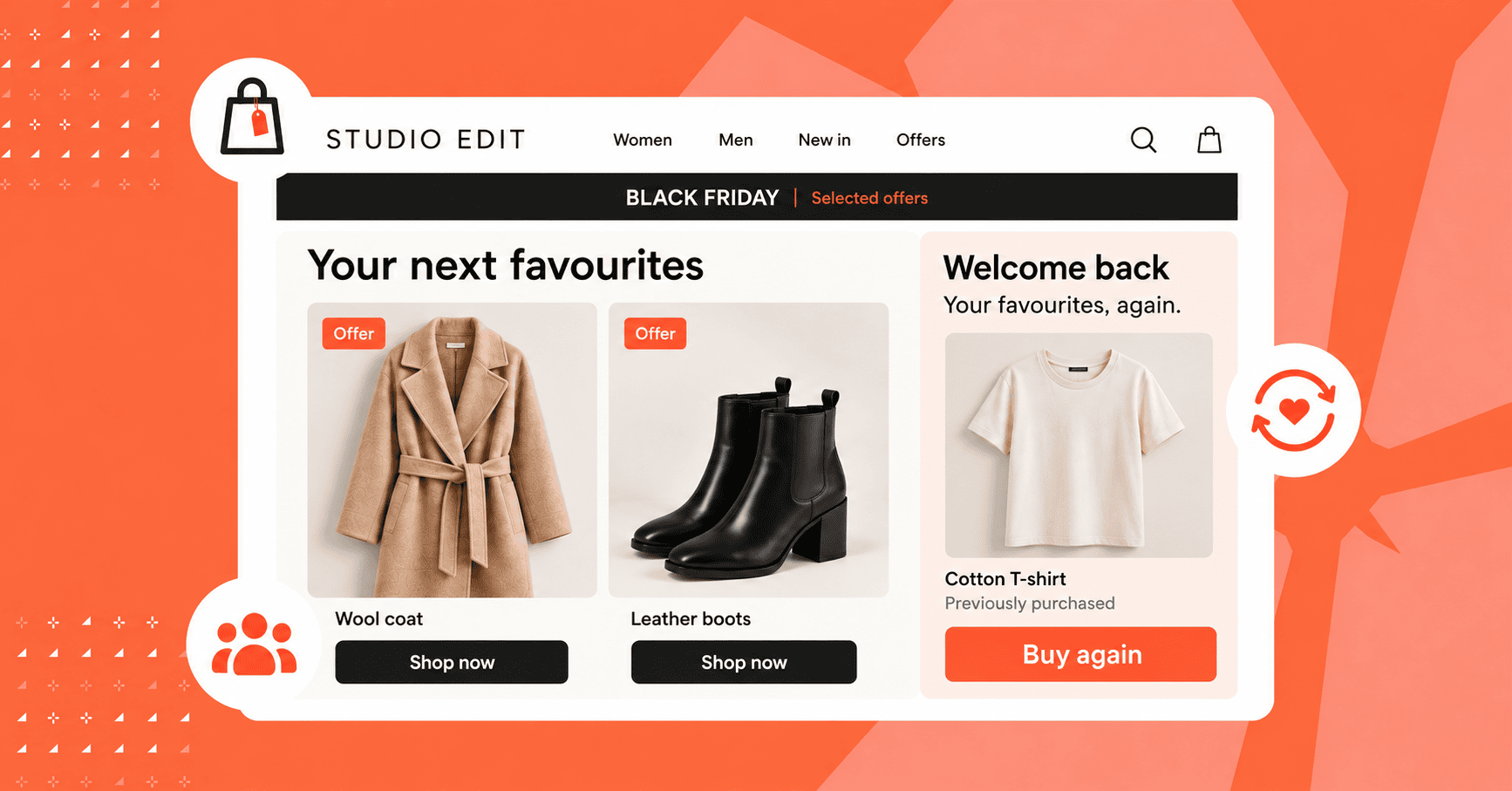
Black Friday puts affiliate marketing’s acquisition power on full display. Brands, agencies, networks and publishers spend months preparing for a few critical days of traffic, offers and conversions. But what happens to those customers once Cyber Week is over?
A strong first order doesn’t necessarily make a valuable long-term customer. And if brands want November’s new buyers to return in 2027, that objective can’t sit with the affiliate team alone.
The brand owns the customer relationship. CRM teams understand what happens after the first purchase. Agencies and networks translate commercial goals into partner strategy. And publishers bring the audience insight and engagement opportunities that can help bring customers back.
Turning a Black Friday conversion into a longer-term customer relationship is therefore a shared challenge – and it starts with getting everyone aligned before the first sale happens.
Agree on What Happens After the Checkout
If longer-term customer value is part of the goal, that needs to be clear before Black Friday activity begins. A brief focused solely on sales, revenue and new-customer acquisition will naturally encourage publishers to optimise towards those outcomes.
So, brands need to define what success beyond the first order actually means. Is the priority a second purchase within three months? A complementary product? A loyalty sign-up? Or reactivating the customer later in the year? The answer will depend on the brand’s category, buying cycle and wider customer strategy.
That objective then needs to be shared across the ecosystem. As the panellists in Tradedoubler’s recent Black Friday discussion highlighted, publishers and networks can only build their strategy around the goals they understand. If volume is the priority, they will optimise one way. If repeat purchase matters, the approach will need to look different.
Connect Affiliate With the Wider Customer Journey
Once a customer checks out, much of what happens next sits outside the affiliate programme. The brand owns the customer relationship, and CRM teams can see how that relationship develops.
That insight can be valuable for affiliate strategy. If certain customer groups tend to repurchase after a particular period, respond well to complementary products or need re-engagement later in the journey, CRM learnings help agencies, networks and publishers plan their activity more effectively.
This does not mean sharing raw CRM data with every partner. It means creating a useful feedback loop between teams. Brands can share relevant insights about customer behaviour and priorities, while agencies and networks can translate those insights into publisher strategy, briefs and commercial recommendations.
The same applies in the other direction. Publishers understand their audiences and can bring their own perspective on how and when customers might be re-engaged. Connecting those different views gives everyone a better basis for planning what happens after the first purchase.
Look Beyond the Black Friday Snapshot
Black Friday performance naturally puts immediate metrics in the spotlight. But the biggest order in November is not necessarily the most valuable customer relationship in the long run.
Consider two customers: one spends €250 on Black Friday and never returns. Another spends €80, then makes several more purchases over the following months. Which is more valuable? There is no universal answer. Margins, returns, purchase frequency and product category all matter. The same principle can apply to publishers. The partner generating the most Black Friday revenue may not necessarily be the one introducing customers who create the most value over time.
The goal isn’t to replace traditional affiliate metrics, but to add a longer-term perspective where possible, and use those learnings to inform future publisher conversations, investment and campaign planning.
Give Publishers a Reason to Support Repeat Purchase
Shared goals and better customer insight only go so far if the commercial setup still encourages publishers to focus entirely on the first sale.
If repeat purchase matters, publishers need a clear role in supporting it. That starts with communication: what behaviour is the brand trying to encourage, which customers matter, and what should happen after the Black Friday purchase? Publishers can then consider how their audience, placements and activity could contribute.
Budget matters too. Brands often concentrate investment around Cyber Week, but if re-engagement is part of the strategy, some budget needs to support what happens afterwards. Otherwise, publishers may be asked to help bring customers back without the resources to activate that plan.
Commercial incentives can reinforce the same objective. Where the programme setup and available brand data allow it, brands can consider whether commission structures should reward behaviours such as reactivation or repeat purchase rather than focusing solely on the initial conversion.
The brief, budget and incentives should reflect what the brand is actually asking partners to achieve.
Make Repeat Purchase a Shared Objective
Black Friday may bring the customer through the door, but turning that first purchase into a longer-term relationship requires more than a strong acquisition campaign.
Brands need to define what they want to happen next and connect the teams and partners that can help make it happen. CRM teams bring post-purchase insight, agencies and networks translate objectives into partner strategy, and publishers bring their understanding of the audiences brands want to re-engage.
The same principle applies beyond peak season. If affiliate is expected to contribute to longer-term customer value, it cannot operate as an isolated acquisition channel. Shared goals, relevant insights and aligned incentives give every party a clearer role in what happens after the checkout.
These were some of the topics explored by ABOUT YOU, Klarna, Tradedoubler, Atolls and MAI xpose360 in Tradedoubler’s recent Black Friday After the Checkout: Turning Buyers into 2027 Customers webinar. Watch the full discussion on YouTube for more insights from the panel.
_________________________________________________________________________________________
This content has been produced for Affiverse by an independent Advertiser and expresses their own views, in their own words. If you would like to feature as an advertiser and be interviewed on Affiverse’s media content platform, please email [email protected].
Everflow
Connect
Tradedoubler
Connect
1win Partners
Connect
Shopnomix, a Nomix Group Company
Connect
Huffson Group
Connect
Kawaii Partners
Connect
Trackdesk
Connect
Share your expertise and expand your reach and become a content contributor with us today!
Contact Us To Find Out More