Creator-Published Instagram Collabs Outperform Brand-Led Posts on Engagement
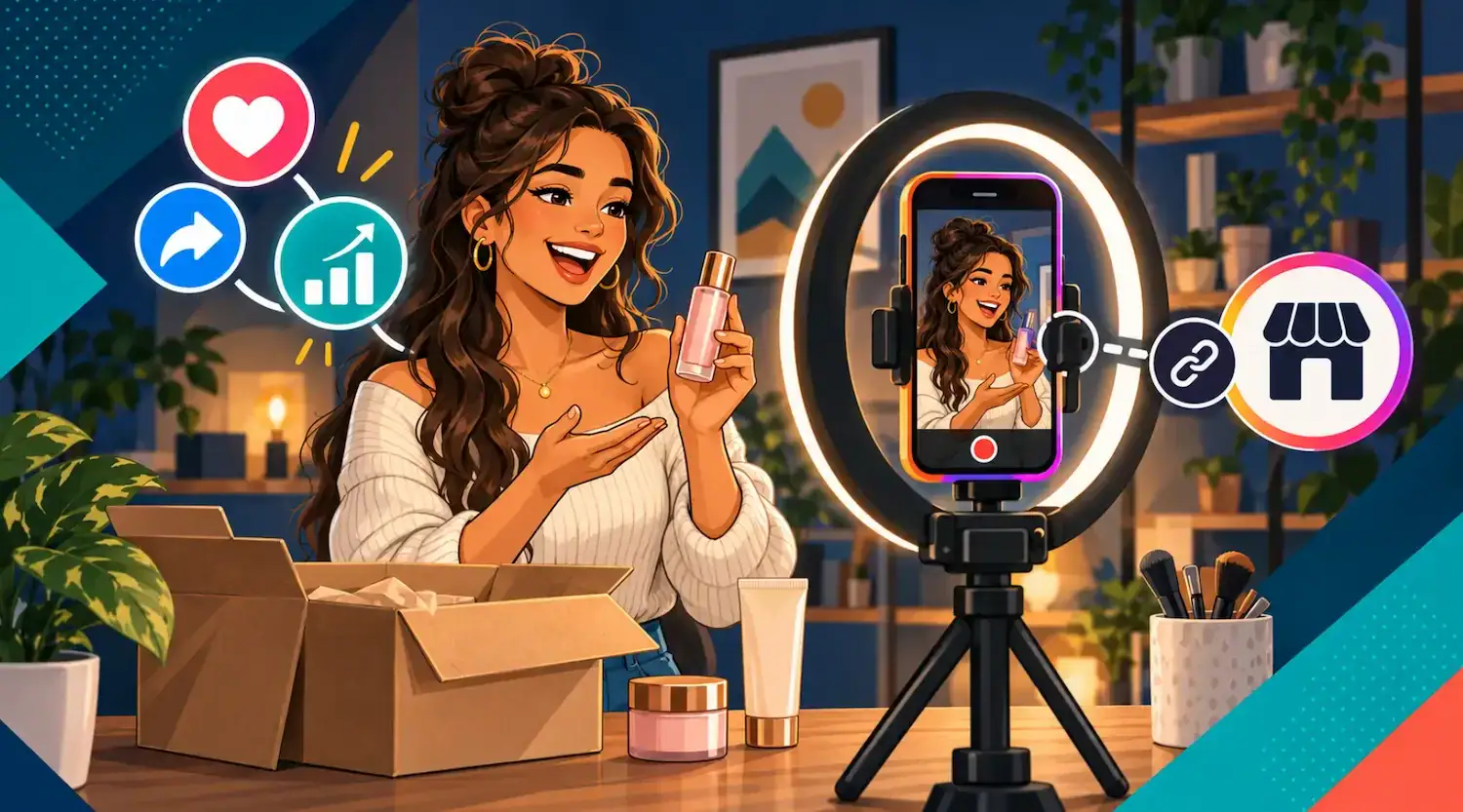
Creator-published Instagram collaborations generate stronger organic engagement than standard brand posts and brand-published collaborations, according to a new H1 2026 analysis from Emplifi. The findings suggest that a creator’s account, presentation style and relationship with their audience are part of the value brands receive from a partnership.
Key Takeaways From the Instagram Collaboration Analysis
- More than 73% of the brands analyzed used Instagram collaboration posts.
- Both collaboration types outperformed standard brand posts.
- Creator-published collaborations consistently delivered the larger engagement uplift.
- Ecommerce and retail collaborations generated more than five times the shares and reposts of non-collaboration posts.
- Brands with fewer than 10,000 followers recorded five times more interactions from creator-published collaborations.
- Reels produced the strongest collaboration gains.
- The research measured engagement and amplification—not sales.
Who Publishes the Collaboration Matters
Instagram collaboration posts can appear across both the creator’s and brand’s profiles. However, the analysis separated the results according to which account published the content first.
An “owned collaboration” begins with the brand publishing the post and inviting a creator or partner to join. An “accepted collaboration” starts with the creator or partner publishing the post and inviting the brand to participate as a co-author.
Both formats outperformed standard posts from the same brands, but accepted collaborations produced the larger uplift.
That difference indicates that distribution is not the only contribution made by a creator. Content may perform differently when it first appears through the voice, style, and context that the creator’s audience already recognizes.
Brand-published collaborations still have a role when product information, regulated messaging, or campaign consistency requires tighter control. Creator-published posts may offer more value when discovery, credibility, and organic reach are the priorities.
Reels and Smaller Brands See the Strongest Gains
The Emplifi client dataset covers Instagram activity from January 1 to June 30, 2026. Its amplification comparison included 520,198 published posts and accepted collaborations across 3,791 profiles, although sample sizes varied between individual metrics.
Creator-published collaborations generated more than five times the amplification of non-collaboration posts in ecommerce and retail. Amplification was measured through shares and reposts, which indicate whether content traveled beyond the brand’s existing audience.
Smaller brands recorded some of the largest relative gains. Accepted collaborations involving profiles with fewer than 10,000 followers produced five times more interactions than their standard posts.
Format also influenced the results. Reels delivered the strongest uplift, particularly when the creator published first. Brand-published carousel collaborations produced the smallest increase, although carousels can still be useful when a product requires more explanation.
The finding is relevant as Instagram adds affiliate links to Reels, giving creators more ways to connect short-form content with commission-generating products.
What This Means for Affiliate and Creator Programs
The research suggests that publishing structure should be treated as a campaign variable rather than an administrative decision.
When the creator publishes first, the brand gains access to the creator’s content style, account, and established audience relationship. That contribution may justify a different payment structure from a campaign in which the brand produces and publishes the content.
Affiliate and creator teams should consider measuring:
- Creator-published Reels against the creator’s usual content
- Brand-published collaborations against standard brand posts in the same format
- Shares, reposts, and reach alongside clicks and conversions
- Fixed content fees alongside commission and attributed revenue
- Organic performance before and after paid amplification
- New customer acquisition compared with existing customer engagement
Meta’s Creator Marketing Hub is making creator discovery, permissions, and partnership advertising easier to manage. Brands must still decide who should publish the original content and how each contributor should be rewarded.
Engagement Does Not Prove Additional Sales
The findings show an association rather than confirmed causation. Brands using collaborations may already have larger budgets, stronger creator relationships, or more developed social strategies.
The dataset also covers clients of one social media platform rather than every Instagram brand account, and sample sizes changed depending on the comparison being made.
Most importantly for affiliate teams, stronger engagement does not automatically mean more purchases. Creator-published collaborations appear better at generating interactions and amplification, but brands still need clicks, conversions, and customer data to determine whether that advantage produces stronger commercial returns.
Everflow
Connect
Tradedoubler
Connect
1win Partners
Connect
PIN-UP Partners
Connect
Shopnomix, a Nomix Group Company
Connect
V.Partners
Connect
Huffson Group
Connect
Kawaii Partners
Connect
Share your expertise and expand your reach and become a content contributor with us today!
Contact Us To Find Out More