European Media Marketplace Launches to Simplify Premium Ad Buying Across Europe
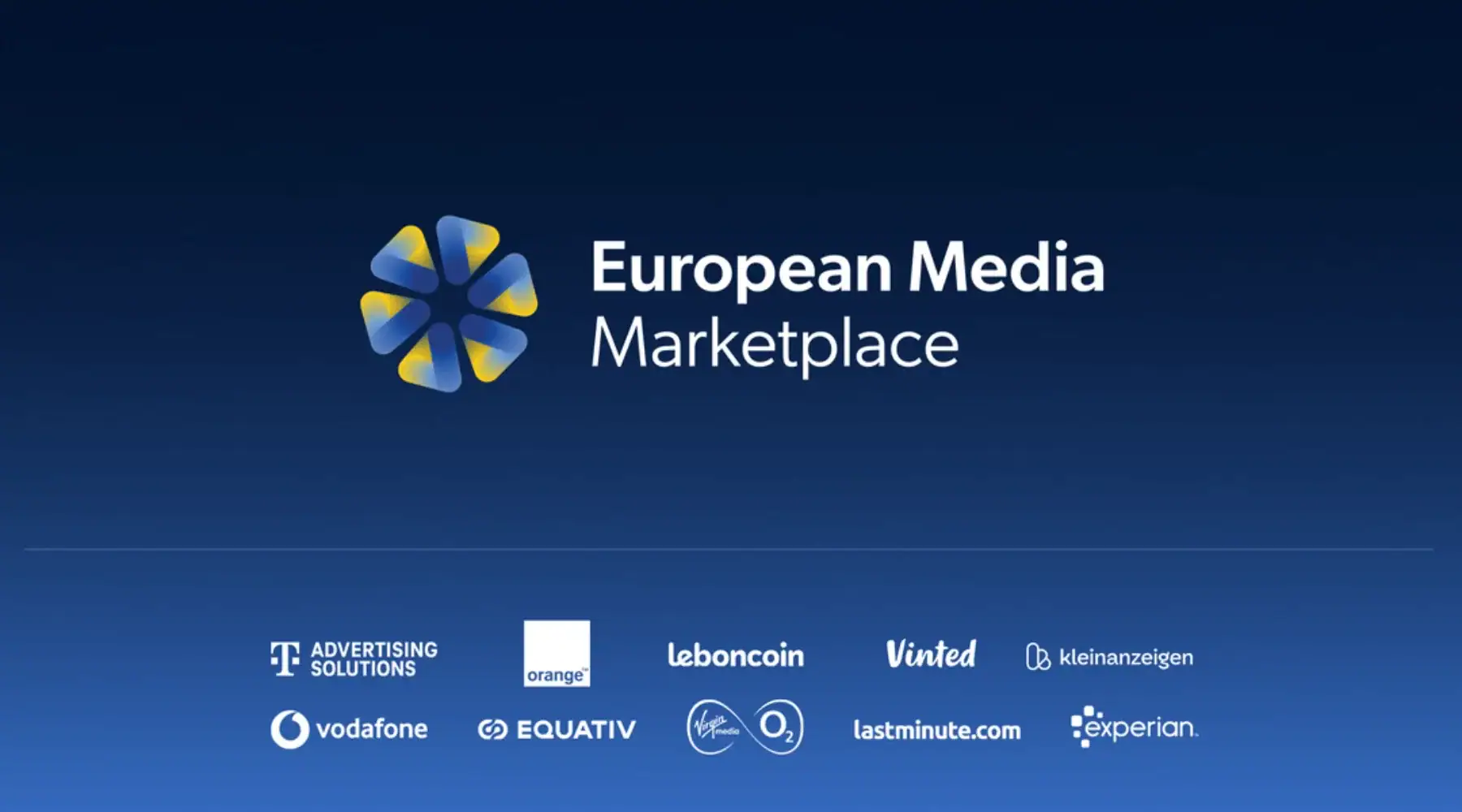
A group of European media, data, telecommunications, retail and adtech companies has launched the European Media Marketplace, a new advertising framework designed to make premium open web campaigns easier to activate across Europe.
The initiative brings together founding partners, including T Advertising Solutions, part of Deutsche Telekom, Equativ, Experian, lastminute.com, leboncoin, Kleinanzeigen, Orange Advertising, Vinted, Virgin Media O2 and Vodafone. According to the official European Media Marketplace announcement, the initiative is designed to connect Europe’s premium media, trusted first-party data and AI-powered activation through a single interoperable framework.
For advertisers and agencies, the aim is to reduce some of the fragmentation that comes with buying digital media across European countries, channels and platforms. For publishers, broadcasters, retailers, telcos and data owners, the marketplace is being positioned as a way to keep more advertising value within Europe’s media ecosystem.
Key Takeaways: Inside Europe’s New Premium Advertising Framework
- The European Media Marketplace brings together media owners, telcos, retailers, marketplaces, data companies and adtech partners.
- It is designed to simplify access to premium European media across CTV, video, display, native and retail media.
- First-party data, privacy-safe activation and publisher control are central to the framework.
- The marketplace will initially launch across the UK, France, Germany, Spain and Italy.
- For performance marketers, the launch points to a wider shift toward premium, direct and measurable media environments.
What Is the European Media Marketplace?
The European Media Marketplace is not being presented as a single ad platform. Instead, it is being positioned as shared advertising infrastructure for Europe’s premium open web.
Through one access point, advertisers and agencies will be able to activate campaigns across Connected TV, video, display, native and retail media. The framework is designed to bring together premium inventory, trusted first-party data and AI-powered optimization while allowing participating partners to keep control of their inventory, data and commercial strategy.
That control is central to the “sovereign” positioning. A large share of digital advertising activity still flows through global platform ecosystems. The European Media Marketplace is intended to give European media owners, retailers, telcos and data companies a more direct route to advertisers while giving brands access to premium audiences across multiple markets.
Arnaud Créput, CEO at Equativ, said:
For too long, buying media across Europe has required navigating dozens of disconnected platforms, fragmented data sources and complex activation paths.
The marketplace is expected to launch first across the UK, France, Germany, Spain and Italy, with further expansion planned. The announcement also states that registered advertisers are preparing to launch omnichannel campaigns through the marketplace from September 2026.
Why European Media Owners Are Moving Toward Shared Advertising Infrastructure
European media buying can be difficult to scale because markets, platforms, data sources and campaign formats are often managed separately. That creates friction for advertisers trying to run regional campaigns, especially when they want premium environments, first-party data and clearer supply paths.
The European Media Marketplace is an attempt to solve that by bringing different parts of the advertising chain into one framework. Its founding group includes telcos, marketplaces, retailers, data companies and advertising technology partners, giving the initiative a broader role than a traditional publisher alliance.
That matters because advertisers are no longer only looking for reach. They also want audience quality, consented data, measurable performance and safer environments for brand activity. For media owners, the goal is to make premium European inventory easier to buy without giving up control to closed advertising ecosystems.
Why Premium Media Buying Matters for Performance Marketers
For affiliate and performance marketers, this is not a direct affiliate marketing launch. The relevance sits higher up the acquisition funnel. Performance teams are already being pushed to think beyond isolated search, social and affiliate placements. CTV, retail media’s growth, creator content, publisher data and AI-led discovery are becoming more connected to how users find products, compare options and eventually convert.
That shift is already visible in connected TV. Recent moves around CTV advertising control and programmatic Smart TV inventory show how premium video environments are moving closer to measurable media buying. The point is not that CTV, retail media or premium publisher inventory will replace affiliate activity. Instead, these channels can influence discovery before a user searches, reads a comparison page, visits a review site or clicks through an affiliate link.
That makes the wider media mix more important. If premium media, retail audiences and first-party data become easier to activate at scale, performance teams will need to understand how those touchpoints support later conversion activity.
First-Party Data and Retail Media Become More Central
One of the more interesting parts of the European Media Marketplace is the mix of companies involved. The inclusion of Vinted, lastminute.com, leboncoin and Kleinanzeigen gives the framework a commerce and marketplace layer, not just a traditional media layer. That is important because marketplace environments can carry strong intent signals. Users browsing travel, second-hand fashion, local listings or product categories are often closer to research or purchase behavior than general media audiences.
For advertisers, combining those signals with premium inventory may create more useful audience segments. For publishers and marketplace operators, it creates another way to commercialize first-party relationships without relying entirely on third-party platforms. It also reflects the wider rise of retail media networks, where first-party data, commerce signals and advertiser demand are becoming more closely connected. For performance marketers, this is another sign that retail media and marketplace data are moving deeper into acquisition planning. The opportunity is not just buying impressions. It is understanding which environments influence product discovery, consideration and purchase intent before the final click.
The Attribution Question Remains
The European Media Marketplace may make premium European media easier to buy, but measurement will still be the harder part.
Performance teams will need to understand how exposure across CTV, video, display, native, retail media and publisher environments contributes to later activity. That includes branded search, direct visits, comparison content, affiliate clicks and merchant-site conversions.
For affiliate and performance marketers, the bigger takeaway is that acquisition planning is becoming more connected. Channels that once sat outside the performance conversation are now playing a stronger role in how audiences discover brands, compare products and move toward conversion.
Everflow
Connect
Tradedoubler
Connect
1win Partners
Connect
Shopnomix, a Nomix Group Company
Connect
Huffson Group
Connect
Kawaii Partners
Connect
Trackdesk
Connect
Share your expertise and expand your reach and become a content contributor with us today!
Contact Us To Find Out More