Amazon Prime Day 2026 Puts AI-Powered Deal Discovery in Focus
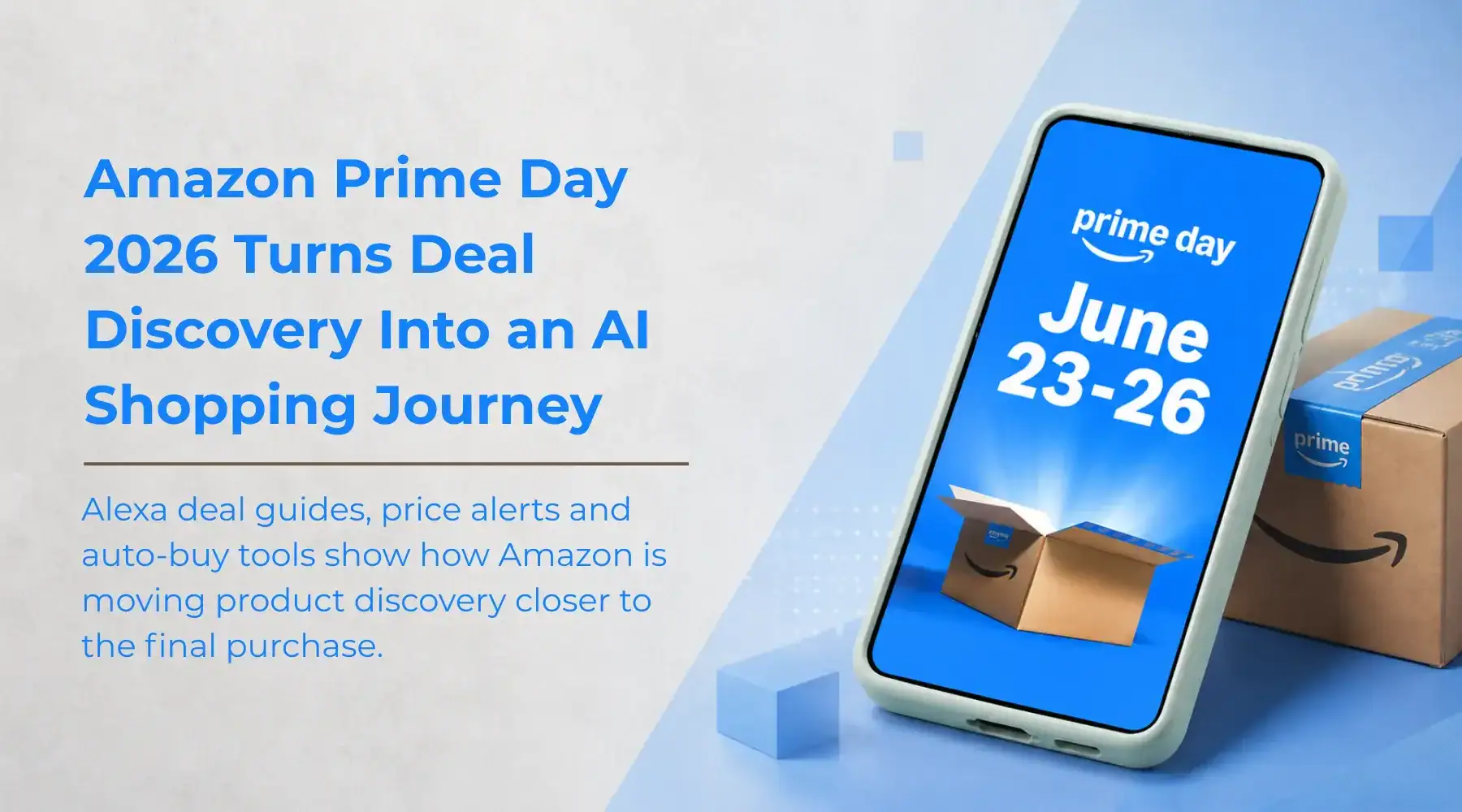
Amazon Prime Day 2026 has started, running from June 23–26 with millions of deals across more than 35 categories. According to Amazon’s Prime Day 2026 announcement, this year’s event includes deals across clothing, beauty, kitchen, home, electronics, groceries, travel and other categories. The event opened at 12:01 a.m. PDT on June 23 and runs through June 26.
For creators and ecommerce partners, the event gives a clear view of how large retail platforms now want shoppers to find offers. Deal discovery no longer sits only inside static category pages, comparison articles or coupon roundups. Amazon wants Prime members to use shopping assistants, alerts, price history and automated buying tools before and during the event.
Key Takeaways: What Prime Day 2026 Signals for Affiliates
- Amazon Prime Day 2026 runs from June 23–26, with deals across more than 35 categories.
- Alexa for Shopping plays a larger role this year through personalized deal guides, product alerts, target-price notifications and auto-buy.
- Amazon is giving shoppers access to up to 365 days of price history on hundreds of millions of products.
- Early deals and timed deal drops stretch the content cycle before and during the event.
- Amazon Haul adds a low-price shopping layer to Prime Day activity.
- Prime Day spans a wide group of international markets, with several others scheduled later in the summer.
- For affiliates and publishers, the key issue sits around attribution. Discovery may start in content, while the final purchase prompt happens inside Amazon’s own tools.
Prime Day Starts Before the Main Event
Amazon used the lead-up to Prime Day to push early offers across devices, groceries, books, home goods, fashion and travel. That detail matters. For affiliate teams and commerce publishers, Prime Day no longer works as a single four-day push. It works more like a rolling campaign window. Preview pages, early-deal articles, category pages, newsletters and creator roundups can all go live before the main event starts. That shift favors teams that build content in layers instead of waiting for day one.
Alexa Takes a Larger Role in Deal Discovery
One of the clearest changes this year comes through Alexa for Shopping.
Amazon says Prime members can use Alexa to create a personalized Prime Day deals guide based on shopping history and preferences. Once available, the guide shows selected offers and explains why those deals may fit the shopper.
Alexa can also support shoppers through:
- Deal alerts for specific categories or product types;
- Target-price notifications when a product reaches a chosen price;
- Auto-buy, which can complete the purchase once the target price is met.
For affiliate and ecommerce teams, this moves product discovery closer to the transaction point. A shopper may still read reviews, compare products or watch creator content first. But Amazon wants the final prompt to happen inside its own environment.
That makes attribution harder to read. Influence can happen well before the tracked click, especially as shoppers move between content, AI recommendations, product alerts and marketplace tools before buying. This is already changing how teams think about influence and attribution in affiliate marketing.
Price History Moves Closer to the Decision Point
Amazon is also pushing price history deeper into the shopping flow.
Customers can check 30, 90 and, in selected markets, 365 days of price history before buying. The feature can be accessed through a price history link on product detail pages, or by asking Alexa for Shopping, Amazon’s AI shopping assistant previously known as Rufus, questions such as whether an item has been on sale recently or whether it is currently at its lowest recent price.
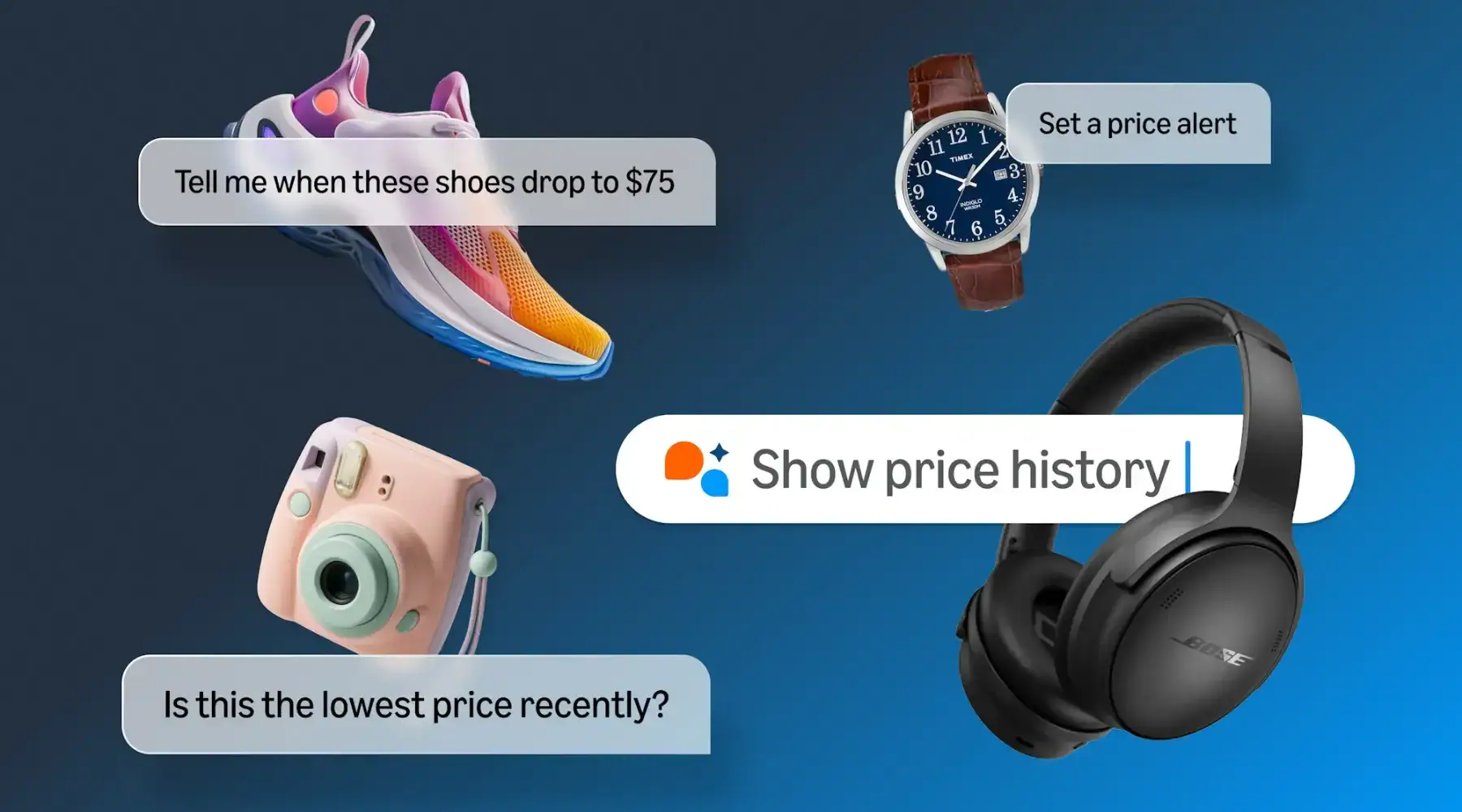
Source: How to use Amazon’s price history feature
Amazon says more than 50 million customers have used price history since the feature launched in 2024, with the average customer checking it three times a month. That makes price history part of the normal shopping journey, rather than a feature used only during major sales events.
For affiliates, publishers and creators, this raises the bar for deal coverage. Thin “best deals” lists still have a place during high-intent shopping periods, but readers now expect more than a price tag. They want context. Has the price dropped before? How strong is the discount? Is the item worth buying now? That same pressure applies to creator content. Urgency alone will not carry the recommendation.
Amazon Haul Adds a Low-Price Discovery Layer
Amazon Haul also features in this year’s Prime Day activity. Amazon is promoting low-price deals across categories such as tech accessories, fashion, home items, crafts and children’s products. That gives Prime Day another shopping angle beyond big-ticket electronics and major household purchases.
For ecommerce teams, this brings in a different kind of buying behavior. Haul-style browsing tends to move fast. Lower prices, quick choices and impulse-led discovery often matter more than long comparison journeys. That may create more room for short-form content, creator recommendations and social-led product roundups.
Deal Drops Keep the Content Cycle Moving
Prime Day 2026 includes “Today’s Big Deals,” with drops scheduled three times daily at 12 a.m., 8 a.m. and 1 p.m. PDT. Amazon says each drop includes five or more deals, with some products listed at up to 50% off. New deals can also appear as often as every five minutes during selected periods.
That pace changes how partners cover the event. A single article published at the start of Prime Day can age quickly. Publishers, creators and deal platforms may need rolling updates, refreshed category pages, email pushes, and social coverage timed around the strongest windows.
The pattern lines up with a broader shift in commerce discovery. Meta’s move into Facebook Affiliate Partnerships and eBay’s role in Meta’s Facebook Affiliate Beta both point to the same direction: more product discovery happening inside the platforms where users already spend time. Amazon’s Prime Day setup keeps even more of that process under its own roof.
Prime Day Reaches Across Multiple Markets
Prime Day 2026 extends well beyond the US.
According to Amazon, the June event covers markets including Austria, Belgium, Canada, Colombia, Egypt, France, Germany, Ireland, Italy, Luxembourg, Mexico, the Netherlands, Poland, Portugal, Saudi Arabia, Singapore, South Africa, Spain, Sweden, Türkiye, the United Arab Emirates, the United Kingdom and the United States. Prime members in Australia, Brazil, India and Japan will get Prime Day deals later in the summer.
For international affiliate teams, that wider footprint creates more publishing opportunities, but it also raises the need for localization. Product availability, shipping expectations, membership pricing and timing will vary by market. One-size-fits-all coverage will miss the mark.
What This Means for Affiliates and Ecommerce Publishers
Prime Day still gives affiliates a major traffic and revenue window. Buyers search for product comparisons, roundups, creator recommendations and category explainers before and during the event. But the path to purchase keeps getting harder to map.
A shopper may discover a product through a publisher, check TikTok for reviews, compare options through AI tools, set an Alexa alert and then complete the purchase inside Amazon. That does not remove the role of affiliate content. It changes where that content influences the decision. That pressure has already shown up in other parts of ecommerce affiliate strategy, where brands, platforms and creators continue to rethink how product discovery, ownership and attribution should work.
Prime Day 2026 puts the same issue in plain view. The earlier stages of discovery still belong to publishers, creators and partners. The last nudge may come from Alexa. And if auto-buy closes the sale at the shopper’s target price, the affiliate window may already be gone.
Everflow
Connect
Tradedoubler
Connect
1win Partners
Connect
PIN-UP Partners
Connect
Shopnomix, a Nomix Group Company
Connect
V.Partners
Connect
Huffson Group
Connect
Kawaii Partners
Connect
Share your expertise and expand your reach and become a content contributor with us today!
Contact Us To Find Out More