Snapchat Unified Attribution Gives App Marketers a Clearer View of Campaign Performance
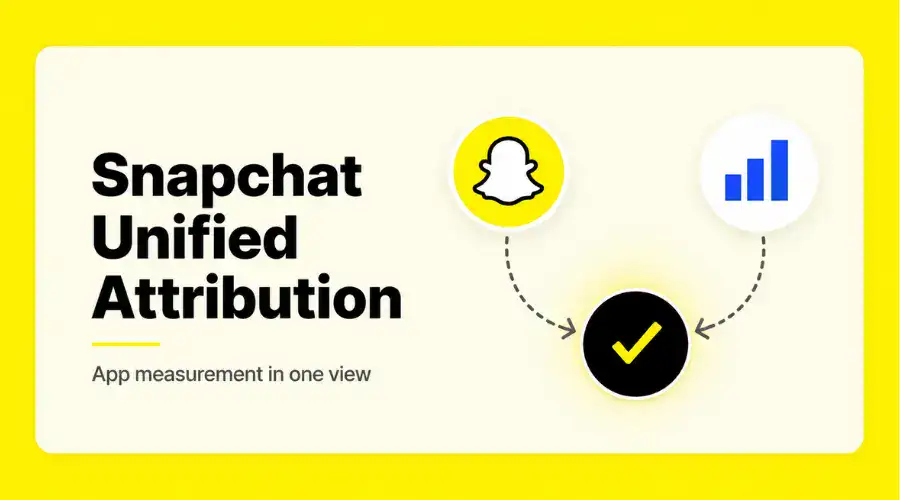
Snapchat has introduced Unified Attribution, a new beta product for app marketers who need cleaner campaign measurement across mobile channels. The update brings Snapchat platform metrics and mobile measurement partner data into one view, giving advertisers a more practical way to compare campaign signals, app installs, in-app actions, and paid social performance.
Key Takeaways: Inside Snapchat’s Unified Attribution Update
- Snapchat has introduced Unified Attribution for app marketers.
- The beta product brings Snapchat platform metrics and MMP data into one reporting view.
- The update can help advertisers compare app installs, in-app actions, and campaign performance signals faster.
- SKAdNetwork support adds another privacy-safe measurement layer for iOS app campaigns.
- For performance and affiliate marketers, the update speaks to a wider need for cleaner attribution across paid social and app promotion channels.
What Snapchat’s Unified Attribution Update Does
Snapchat announced the update on May 20, 2026, through Snapchat’s Unified Attribution update. The company said Unified Attribution introduces new optimization and app measurement capabilities for advertisers, with the product currently in beta and planned for launch later this year.
The idea is simple enough. App marketers often review Snapchat campaign data in one place and mobile measurement partner data somewhere else. That can slow down decision-making, especially when teams need to compare installs, conversions, in-app events, and spend across paid social channels.
Unified Attribution pulls those signals closer together. Snapchat says the product brings Snapchat platform metrics and MMP cross-channel performance metrics into one view inside Snap Ads Manager. Advertisers can then use real-time signals, including MMP conversions, to adjust campaigns based on outcomes they value.
The update will let app marketers combine Snap ad performance insights with data from their chosen mobile measurement partner. The same report also noted that Snapchat wants to integrate a wider range of response signals into one view, giving marketers more insight across different measures.
Why This Matters for App Marketers
App marketing teams rarely judge campaign performance on one metric. Installs matter. So do registrations, subscriptions, purchases, retention, and repeat actions inside the app. The problem comes when each platform tells a slightly different story about what drove those actions. That creates friction. Paid social teams may see strong numbers inside a platform dashboard, while the MMP view tells a more cautious story. Finance teams want cleaner proof before spend increases. Growth teams want faster campaign decisions. Agencies and partners need reporting they can defend.
Unified Attribution won’t remove that tension. No platform update can do that alone. But it can reduce the amount of time marketers spend stitching together separate data sources before making a call on budget, creative, or campaign structure. For app advertisers using Snapchat as part of a wider paid social mix, that matters. Faster access to MMP conversion signals could help teams spot which campaigns deserve more spend and which ones need to be cut back.
SKAdNetwork Adds a Privacy-Safe Measurement Layer
The update also supports SKAdNetwork measurement. That detail matters for iOS app campaigns. Apple’s privacy rules have made mobile attribution harder to read, especially for marketers who previously relied on more direct user-level tracking. SKAdNetwork gives advertisers a privacy-focused way to measure app campaign results on Apple devices, although it still comes with limits. By bringing SKAdNetwork data into the same measurement discussion, Snapchat gives app marketers another signal to work with. More context. Less dashboard hopping.
What This Means for Performance and Affiliate Marketers
For performance marketers, the update lands in a familiar place: attribution pressure. Teams that run app install campaigns need to prove where value comes from. Affiliate and partner teams face the same issue when traffic moves across paid social, influencer activity, referral partners, creator campaigns, and retargeting flows.
That pressure connects with a wider affiliate attribution problem. As customer journeys stretch across more discovery points, clicks alone tell a smaller part of the story. Cleaner Snapchat reporting could support better conversations between advertisers, agencies, and performance partners. It may help teams compare Snapchat’s role against other acquisition channels without relying only on platform-reported results.
That doesn’t make Snapchat the source of truth. Marketers should still test the data against their own MMP setup, internal revenue numbers, retention data, and campaign goals. A cleaner view helps. Blind trust doesn’t. The same logic now runs through other ad channels too. LinkedIn’s recent DoubleVerify update, for example, gave advertisers more post-bid checks across the LinkedIn Audience Network, adding another layer to paid social measurement and media quality reporting.
The Bigger Picture
Snapchat has spent the past year adding more app promotion tools, including Sponsored Snaps for app campaigns, which allows app promotions to appear directly in user inboxes. Unified Attribution fits that wider push. Snapchat wants app advertisers to see more clearly how campaigns perform, where spend moves, and which signals deserve attention.
For affiliate teams, the issue looks familiar. The channel keeps moving toward cleaner proof of influence, stronger reporting, and payout models that better match partner value. That’s why the debate around whether one affiliate payout model still fits the whole channel feels relevant here too.
For performance teams, the key question stays practical: does this make campaign decisions faster and easier to defend? That’s where the update will earn attention. Not in the product name, but in the reporting meetings that follow.
Everflow
Connect
Tradedoubler
Connect
1win Partners
Connect
Shopnomix, a Nomix Group Company
Connect
Huffson Group
Connect
Kawaii Partners
Connect
Trackdesk
Connect
Share your expertise and expand your reach and become a content contributor with us today!
Contact Us To Find Out More