Myntra Rolls Out ‘Affiliate’ Feature to Tap Creator-Led Shopping
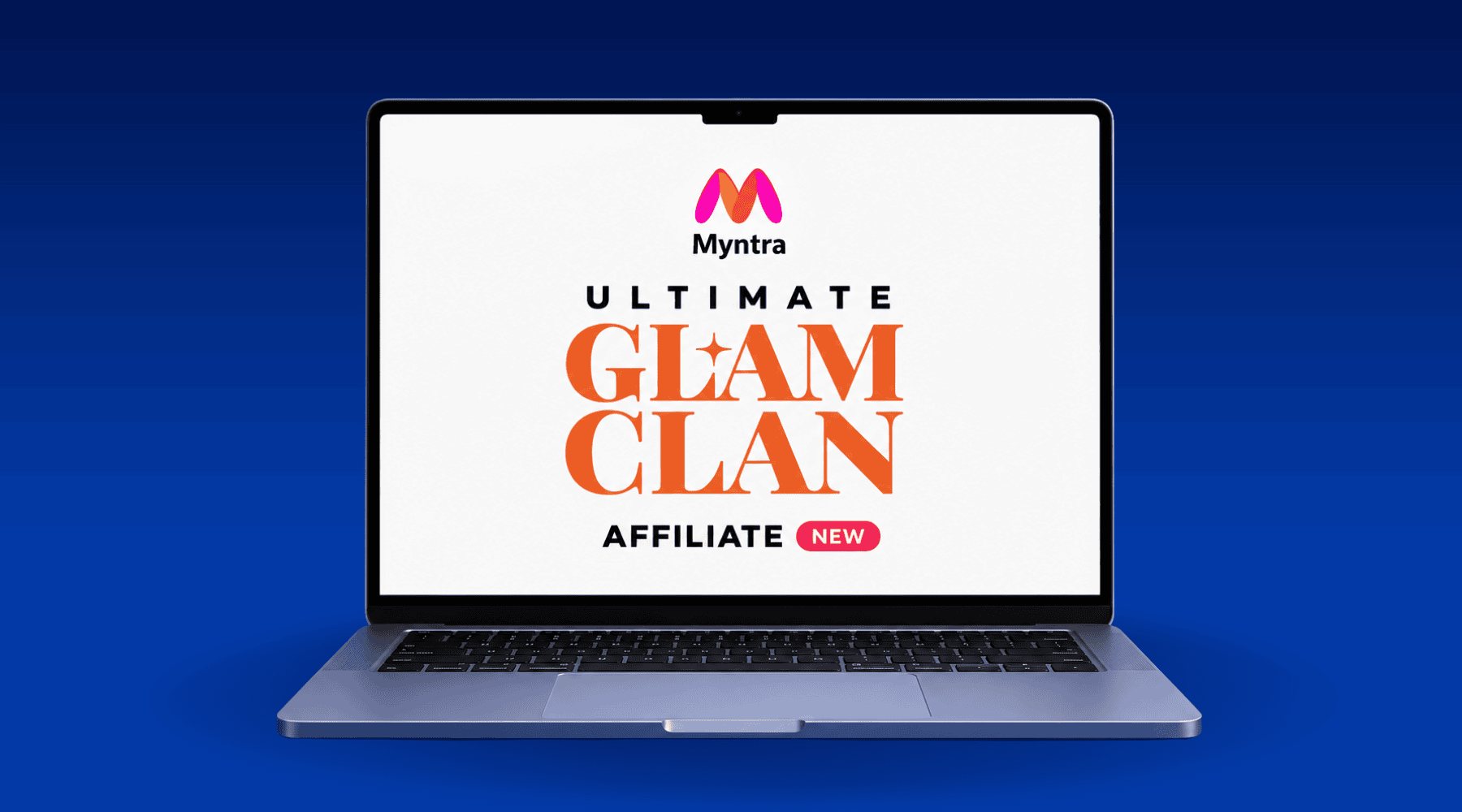
Myntra has introduced an ‘Affiliate’ feature within its Ultimate Glam Clan UGC programme, allowing users to monetise product-led content as the platform expands its creator commerce push in India. The feature gives everyday shoppers a way to earn from personalised storefronts, curated collections, and affiliate-enabled links shared across social channels.
Key Takeaways: Myntra Turns Everyday Shoppers Into Micro-Affiliates
- Myntra’s new Affiliate feature gives eligible users access to commission-based earnings through product links, with payouts ranging from 8% to 12% on qualifying sales.
- Users must publish at least three pieces of UGC on the Myntra app before they can unlock the affiliate dashboard.
- The company wants to onboard 1 million creators, building on an Ultimate Glam Clan ecosystem that already has more than 6 million sign-ups and over 12 million pieces of content.
- Creator-led shopping already accounts for around 10% of Myntra’s revenue, with creator-influenced shoppers showing higher conversion and lower return rates.
- Around 79% of current Glam Clan members are Gen Z, while roughly 70% of the creator base comes from Tier 2 and Tier 3 cities.
How Myntra’s Affiliate Feature Works
The new feature lets eligible creators share personalised storefronts, curated product collections, and affiliate-enabled links across platforms including Instagram, YouTube, and Snapchat.
Creators can earn commissions on qualifying sales generated through those links. Myntra has positioned the tool as a way to bring more everyday shoppers into the creator economy, rather than limiting affiliate-style earning opportunities to established influencers.
To access the affiliate feature, users need to publish at least three pieces of UGC within the Myntra app. Once they meet that entry point, they can use the affiliate dashboard to track content-led commerce activity.
Why Myntra Is Betting on Creator-Led Shopping
The launch comes as fashion discovery shifts from catalogue browsing to content-led recommendations. Shoppers increasingly find products through short videos, creator edits, social posts, and community-led styling ideas.
Sunder Balasubramanian, Chief Marketing Officer at Myntra, said the company wants to open creator commerce to a wider base.
“India’s creator economy is undergoing a fundamental shift… Myntra wants to democratise that ecosystem. Our real goalpost is that the next million creators in India will come out of this programme.”
The move gives Myntra a clearer commercial layer around UGC. Users already create outfit posts, product recommendations, and styling content. The Affiliate feature turns those actions into a measurable sales channel.
Gen Z and Non-Metro Creators Drive Myntra’s UGC Growth
Myntra’s Ultimate Glam Clan programme has already attracted more than 6 million sign-ups, with users creating over 12 million pieces of content.
The programme has also seen strong traction outside India’s largest metro markets. Around 79% of current Glam Clan members are Gen Z, while roughly 70% of the creator base comes from Tier 2 and Tier 3 cities.
Myntra has pointed to regional patterns such as interest in personal care from Patna and accessories from Hyderabad. That local activity gives the platform a discovery layer that a standard homepage or campaign banner can’t easily replicate.
Creator Commerce Gives Myntra a Performance Channel
Creator-led shopping already accounts for around 10% of Myntra’s revenue, according to the company. Myntra has also said shoppers influenced by creator content show a 10% higher conversion rate and lower return rates than traditional shoppers.
That gives the affiliate feature a clear business case. Myntra can reward creators based on sales performance, while creators get a path to earn from recommendations they may already be making.
For the platform, the model turns UGC from a content asset into a performance channel. For creators, it lowers the barrier to monetisation without requiring a large follower base from day one.
What Myntra’s Move Means for Indian E-Commerce
Myntra’s launch raises the pressure on competitors such as Reliance Ajio and Tata CLiQ to treat creator-led commerce as a core discovery channel.
Indian e-commerce platforms no longer compete only through discounts, selection, and delivery speed. They also compete on who can make products feel relevant faster, who can connect inspiration to purchase, and who can turn social engagement into repeatable sales.
Myntra already has millions of users creating content. The sharper test now sits beyond sign-ups: how many of those users can turn three posts into steady affiliate revenue.
Everflow
Connect
Tradedoubler
Connect
1win Partners
Connect
Shopnomix, a Nomix Group Company
Connect
Huffson Group
Connect
Kawaii Partners
Connect
Trackdesk
Connect
Share your expertise and expand your reach and become a content contributor with us today!
Contact Us To Find Out More