Tax treatment of gambling winnings is determined not by the casino, but by the country where you live. The rules vary widely between jurisdictions, and what applies to a player in Canada may be entirely different for someone in Germany or the United Kingdom. This page explains where gambling winnings are typically not taxed at the source, but you should still verify your own local tax obligations before drawing any conclusions. When in doubt, consulting a local tax advisor is the safest approach.
Tax-free online casinos do not themselves take care of a player’s tax liabilities. The term simply means that they make their platforms, often operating as international casinos, available in countries where gambling winnings may be taxed differently or casino winnings not taxed at all. Ultimately, your home country’s tax laws determine whether you pay taxes on online gambling winnings, regardless of where the casino operator is licensed.
Some commonly cited gambling tax-free countries include the UK, Belgium, and Austria, particularly for recreational players, although the rules are not identical in every case. In Spain, gambling winnings are generally treated as capital gains and may need to be declared in your annual tax return. This depends on your overall income position, while gambling losses can usually be deducted against winnings within the same tax year.
In Belgium, winnings are tax-free for recreational players on licensed platforms. Professional gamblers whose primary income comes from gambling must declare it as professional income. In Germany, the position is more nuanced: casual play is generally treated differently from professional gambling, and poker winnings can become taxable where the activity is considered commercial.
If a Spanish player wins at a Malta-licensed casino, they may still be subject to Spanish tax rules. Another important distinction is “tax-free at source,” which is not the same as “tax-free for the player.” It simply means that tax is not withheld at the point of payout, while the player’s final tax position still depends on the gambling laws of their home country.
Our editors recommend a few established and new online casinos according to their standout features, such as must-know bonus terms, the license they hold, promos and more:

At Spinzen Casino, you get access to many casino bonuses and player-friendly gamified features.

Hugo Casino grants access to 10,000+ casino games, a rewarding loyalty program, cashback deals and many ongoing promos.
Winnerz Casino supports both fiat and crypto payments, offers a welcome bonus of up to €1,000, and has a loyalty club with 141+ levels.
Ritzo Casino is licensed by Curaçao, which can be verified from the footer validator, offers a huge welcome package of €3,000 and features plenty of gamification features.
Not every country treats gambling winnings the same way. Some fully exempt all players, while others distinguish between recreational and professional gamblers. This distinction matters even more when comparing EU casinos, since tax treatment can still vary by the player’s country of residence rather than the casino’s location alone.
Tax laws can also change over time, so it is always worth checking the current rules in your country. Where winnings are tax-free, players are generally not required to report them.

Country Tax Status Table:
| Country | Tax on Gambling Winnings | Notes |
|---|---|---|
| United Kingdom | No - for all players | Operators pay the Point of Consumption Tax, not the player |
| Malta | No - at source for EU residents | The player's home country tax rules still apply |
| Ireland | No - for recreational players | Professional gamblers may receive different treatment |
| Canada | No - for recreational players | Considered a windfall, not income |
| Australia | No - for recreational players | Professional gamblers may have to pay taxes |
| Germany | No - for recreational players | A 5.3% stake tax is levied on operators, but players often feel the effect through lower odds or reduced payouts |
| France | No - for most players | Wins at land-based casinos above €1,500 are subject to a 12% levy withheld by the casino; online gambling winnings are not taxed at the player level |
| United States | Yes - all gambling income is taxable | Federal withholding tax at 24% for large wins |
| Sweden | No - for EU/EEA licensed operators | Winnings from unlicensed or non-EEA casinos are taxed at 30% as capital income |
Note: All these Gaming Authority details were verified on July 2026, but are subject to change. Always confirm with a local tax adviser for your country’s current position on gambling taxes.
Selecting online casino operators that don’t tax when you win real money requires two checks. The first is the licence under which each casino operates. The second is your country’s rules on whether gambling activities qualify for tax exemptions. The steps below will help you verify both sides:
We checked these casinos for licensing, withdrawal terms, tax-at-source treatment, payment access, and player safety before recommending:
| Hugo Casino | Unique and player-friendly gamification features |
| Boomerang-Bet | Hefty weekly reload and cashback offers |
| Golden Panda | Welcome bonus offer of up to €5,000 + 500 FS |
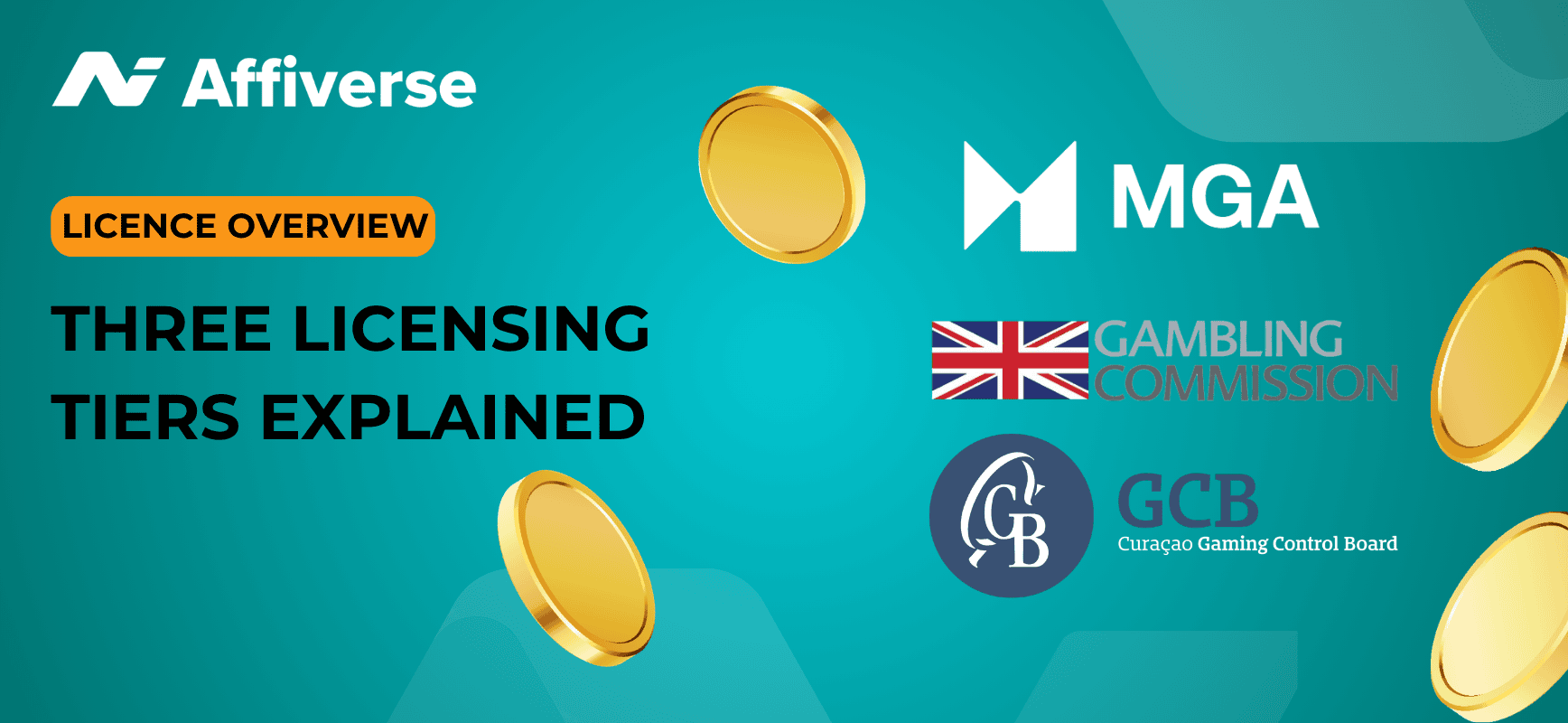
Regulatory and tax issues vary depending on the casino’s licence. When playing casino games online, the licence can affect whether tax is withheld at source or whether the player remains responsible for reporting gambling winnings. Each regulator follows a different process.

The MGA and UKGC do not generally withhold tax at source, so players usually receive their full wins. However, AML reporting is separate from tax reporting. Under AML rules, operators report suspicious activity to financial intelligence or enforcement bodies, not tax authorities specifically. In most cases, players’ home countries’ tax laws ultimately determine tax implications.
Many tax-free casinos in the online gambling industry, especially offshore casinos, hold Curaçao licences. These casinos are not typically described as withholding tax at source, but the player’s home-country rules still apply. Players from taxable regions can still access these sites in many cases; the tax obligation usually remains with the player.
US-facing casinos operate under stricter tax rules. For 2026, the federal Form W-2G reporting threshold was raised to $2,000, and withholding can apply depending on the game and the amount won. Player tax treatment can also differ between casual and professional gamblers, while operator-side rules may separately address gross gaming revenue.
While the casinos listed above are verified to be “Tax-Free at Source”, meaning the casino operator will not deduct any taxes from your withdrawals, this does not automatically mean your winnings are tax-exempt in your home country.
Tax laws for online gambling vary significantly by region:
Tax-free casinos usually support the same payment methods found at regular online casinos, but the best option depends on speed, limits, and withdrawal rules.
There are many tax-free casinos, so we assess each one based on its reputation, licensing, and tax treatment before deciding whether to list it. Through detailed research, we aim to identify any terms related to the tax implications of payouts.
We never assume a casino’s licence logo is legit; we confirm it through official registries. The T&Cs pages are reviewed to identify any tax clauses related to withholding taxes on wins. Casinos that deduct taxes without disclosure are flagged.
The review also includes checking whether player data collection involves any tax-related information. Some casinos may require tax ID numbers. We also confirm whether a casino’s privacy policy mentions player data sharing under AML rules.
We check player feedback and payout terms as part of every review. This helps us spot hidden conditions, delayed withdrawals, restricted online casino games or other payout-related issues that might occur on the player side. We also prioritise fast payout casinos for player convenience.
Casino bonuses and their terms are also verified for any restrictions in countries where taxes apply to wins. We also check and detail whether the bonus terms exclude players in taxable online markets due to compliance measures.
Tax-free casinos offer advantages and disadvantages in tax-free regions. We’ve included both to provide the complete picture of tax-free casinos’ pros and cons:
The phrase ‘tax-free casino’ refers to how a casino is taxed by its licensing jurisdiction, not how your winnings are taxed at home. Most players assume the two are the same, but they are not. Our table below states the most common misconceptions our team encounters, based on how tax-free casino terminology is actually applied across licensing jurisdictions.
| Myth | Reality |
|---|---|
| Tax-free casinos mean I never pay tax on winnings | When a casino is described as tax-free, it means no tax is held at source in its jurisdiction; players can still owe tax at home, irrespective of where the casino is licensed. |
| Choosing a Curaçao casino guarantees me tax-free winnings | Winnings from Curaçao‑licensed casinos are paid without tax withheld, but national tax laws still apply. A player winning still owes gambling tax on their winnings. |
| If the casino doesn't report my win, I won’t owe taxes | Tax reporting and tax liability are different. A player may still owe tax on gambling winnings even if the casino does not report the win to any authority. Not declaring taxable winnings is the player’s legal risk, not the casino’s. |
| Crypto winnings at tax-free casinos are always untaxed | In many countries, winnings from cryptocurrency are both subject to gambling tax and capital gains tax if the asset has appreciated in value between receipt and conversion. Tax applications vary significantly from country to country. You should therefore consult a local tax adviser before withdrawing any significant cryptocurrency winnings. |
Tax laws vary by country and change frequently. The information above is for general guidance only and does not constitute tax advice. Consult a qualified tax professional for advice specific to your situation
Platforms that position themselves as tax-free casinos offer players residing in non-taxable jurisdictions full access to all their winnings. The key takeaway is to always confirm your country’s tax implications and not rely on the tax-free effect of where the casino is licensed. Consulting a professional tax adviser is the best way to clarify your tax position rather than assuming tax-free status. To find sites with transparent tax rules, browse our verified tax-free casinos.
No, it doesn’t. While casino platforms licensed by Curacao may not withhold your taxes at source, it won’t alter any tax liabilities you may have to manage in your home country.
It depends on the jurisdiction. US-facing casinos issue W-2G forms only in certain cases. MGA casinos may have AML reporting duties, but that is separate from tax reporting. Curacao casinos usually do not follow an equivalent reporting model. In the end, a casino reporting your win and you owing tax on it are two separate things.
Cryptocurrencies differ from fiat currencies. According to some tax regulations, they can be counted as capital gains instead of casino gains. The best way to determine this is to consult a tax expert.
Yes, it is. KYC and tax-free are not the same thing and are evaluated differently. KYC is about complying with AML rules and cannot be linked to tax. If the casino is not no-KYC, this requirement remains valid.